 Sarasota Siding
 Downtown Sarasota Decks Take a Beating
A deck attached to a Downtown Sarasota home lives outside every single day, and this part of Sarasota County doesn't give a deck an easy life. Between the intense year-round UV, the wind-driven rain that comes with our summer storm pattern, the salt air drifting in off the bay, and the occasional hurricane-force wind event, every joint, fastener, and board on a deck is under constant stress. Add in the humidity that keeps wood moisture content high for weeks after a rain, and you have a structure that ages faster here than it would almost anywhere else in the country.
Most deck problems we see in this area aren't dramatic — they're slow. A ledger board that's been quietly absorbing moisture behind the flashing. Fasteners that have started to corrode and lose their grip. Boards that cup or crack after years of sun exposure. None of that shows up as an emergency until it does, which is exactly why deck repair here is less about patching the obvious and more about catching the structural issues before they become safety problems.
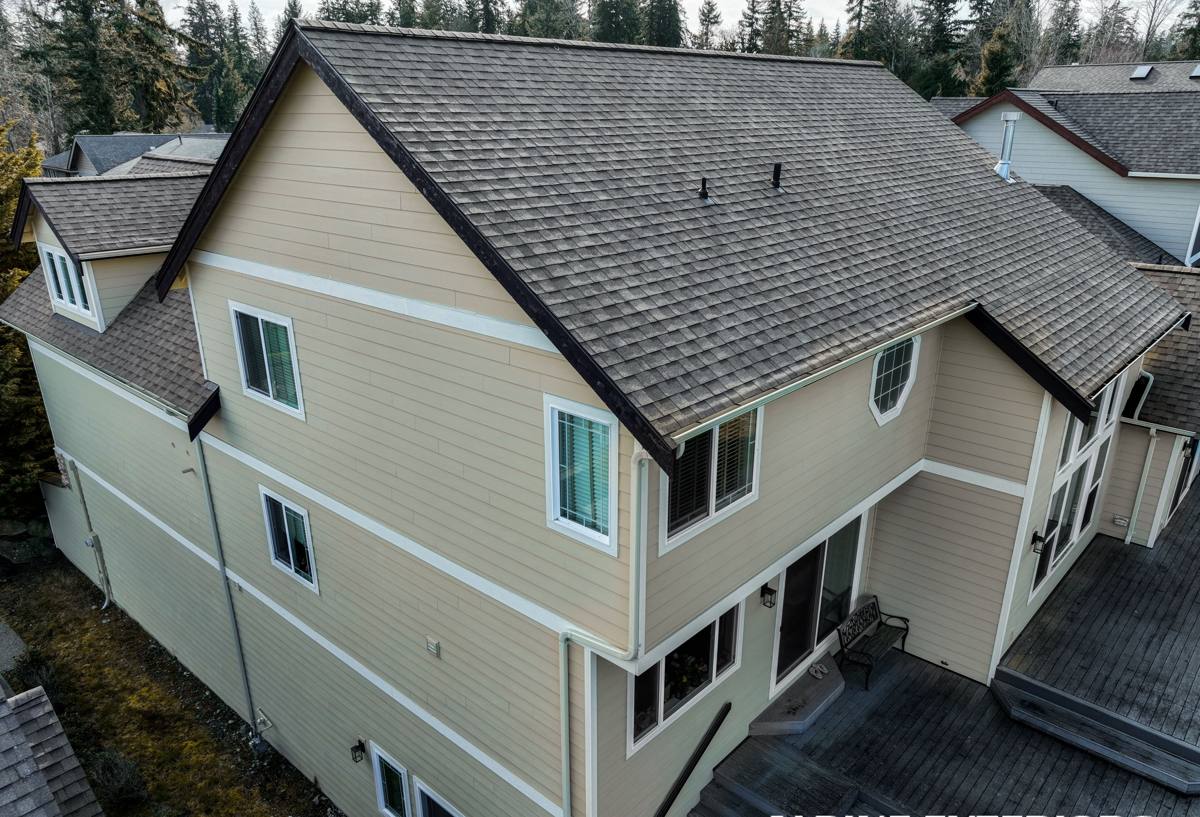
Signs a Downtown Sarasota Deck Needs Repair
Homeowners usually call us for one of two reasons: something looks bad, or something feels wrong underfoot. Both are worth taking seriously, and neither always points to the same underlying issue.
Visual Warning Signs
- Boards that are cupping, splitting, or graying unevenly across the deck surface
- Rust streaks or dark staining around screws, nails, or bolts
- Gaps opening up between boards or where decking meets the house
- Soft, discolored, or crumbling wood at the ledger board, posts, or stair stringers
- Visible sagging along the deck's outer edge or around stairs
Structural Warning Signs
Bounce or flex when you walk across the deck, railings that wiggle more than they used to, and stairs that feel slightly different from step to step are all signs the framing underneath — not just the surface boards — needs a closer look. These are the issues that matter most, because a deck can look fine on top while the ledger connection or the joists underneath have already lost integrity.
What a Correct Deck Repair Actually Involves
A lot of deck "repairs" amount to swapping out a bad board and calling it done. That fixes what you can see, but it doesn't address why that board failed in the first place — and in our climate, boards rarely fail in isolation. A correct repair starts with the structure, not the surface.
The Ledger Board Connection
This is the board that bolts the deck to the house, and it's the single most important structural element on any attached deck. In humid coastal air, moisture that gets trapped behind the ledger — often due to missing or failed flashing — can rot the wood from the inside out long before it's visible from underneath. Any real repair includes pulling back decking near the house to inspect this connection, not just assuming it's fine because the deck hasn't fallen down.
Framing and Fasteners
Joists, beams, and posts take on moisture cycles all year — soaked in a summer downpour, baked dry the next afternoon. That expansion and contraction loosens fasteners over time, and in salt-influenced air, standard hardware corrodes faster than it would inland. Proper repair means checking joist hangers for rust and looseness, confirming posts are still plumb and solidly connected at their base, and replacing corroded fasteners with hardware rated for coastal exposure rather than whatever matches what's already there.
Decking Boards and Railings
Once the structure underneath is sound, surface repairs — replacing cracked or cupped boards, tightening or rebuilding railings, addressing stair issues — actually hold up. Done in the wrong order, new boards on a compromised frame just mean redoing the work again in a year or two.
Wood vs. Composite: How Materials Fail Differently Here
What a deck is made of changes both how it fails and how it should be repaired. Downtown Sarasota has a mix of both older pressure-treated wood decks and newer composite installations, and we treat them differently.
| Material | Common Failure Mode Locally | Repair Approach |
|---|---|---|
| Pressure-treated wood | UV graying, splitting, fastener pop, ledger rot | Board replacement, re-fastening, sanding/sealing, ledger and flashing inspection |
| Composite decking | Fading, surface flaking on older boards, hidden framing rot underneath | Board or clip replacement, framing inspection (composite hides frame problems well) |
| Cedar or hardwood | Checking, silvering, softening at end grain and fastener points | Selective board replacement, refinishing, moisture sealing at cut ends |
Composite decking is worth calling out specifically: it resists surface weathering better than wood, which is part of its appeal in a climate like ours. But composite boards can mask what's happening in the framing underneath, since the boards themselves don't show the same visible stress signs wood does. A composite deck that "looks fine" can still have a rotting joist or a corroding hanger beneath it — which is why we always inspect the frame directly rather than judging deck health from the surface alone.
Our Deck Repair Process
1. On-Site Inspection
We start underneath the deck, not on top of it. That means checking the ledger connection, examining joists and beams for soft spots or rot, testing post bases, and looking at fastener condition throughout. Only after the frame is assessed do we evaluate the surface boards and railings.
2. Honest Scope and Estimate
We tell you what actually needs to happen — structural repair, surface repair, or both — and give you a straightforward estimate before any work starts. If a repair isn't going to be durable given the deck's age or condition, we'll say so rather than patch something that's going to fail again soon.
3. Structural Repairs First
Any rotted framing, corroded hardware, or compromised ledger connection gets addressed before anything cosmetic. This is the part of the job that doesn't show up in a photo but is the reason the repair actually lasts.
4. Surface Repair and Finishing
Damaged boards get replaced, railings tightened or rebuilt, and stairs re-secured. For wood decks, this typically includes sanding and sealing or staining to protect against UV and moisture going forward. For composite decks, it means matching boards and hardware correctly so the repair blends in rather than standing out.
5. Walkthrough
We walk the deck with you at the end so you can see and feel the difference — no bounce, no loose railings, no surprises left for later.
Repair or Replace? What Actually Drives the Decision
Not every deck problem calls for a full rebuild, and not every deck is worth repairing indefinitely either. The honest answer depends on a few factors more than on the deck's age alone.
| Factor | Leans Toward Repair | Leans Toward Replacement |
|---|---|---|
| Ledger board condition | Solid, dry, properly flashed | Soft, rotted, or improperly flashed |
| Framing condition | Isolated soft spots | Widespread rot across multiple joists |
| Extent of surface damage | Scattered boards affected | Most boards cupped, cracked, or failing |
| Fastener/hardware condition | Localized corrosion | Corrosion throughout the structure |
| Deck age and material | Newer material, good bones | Original material decades old, undersized framing by today's standards |
A deck with a sound frame and a handful of bad boards is almost always a repair. A deck where the ledger, multiple joists, and most of the surface are all compromised at once usually costs more to keep patching than to rebuild properly — and a patched-together deck built on a weak frame is a liability, not a value.
Permits and Local Code Considerations
Structural deck repairs in Sarasota County — anything touching the ledger connection, framing, footings, or railings — typically fall under permitting requirements, and for good reason given how much wind load a deck has to handle here during storm season. Railing height and spacing, in particular, are governed by code for safety, and any rebuild of a compromised railing needs to meet current standards even if the original deck predates them. We handle the permitting process on structural work so you don't have to navigate it yourself, and we build to current wind and safety code rather than simply matching what was there before.
After the Repair: Keeping a Sarasota Deck Healthy
A repaired deck still lives in the same climate that damaged it in the first place. A little routine attention goes a long way toward making the repair last.
- Rinse off salt residue and debris periodically, especially after storms
- Reseal or restain wood decking every couple of years, sooner if you see graying return
- Check railings and stair connections for looseness at least once a year
- Keep gutters and downspouts clear so runoff doesn't pool near the ledger board or posts
- Look underneath the deck occasionally, not just at the surface — that's where problems start
- Address small issues (a loose board, a popped fastener) right away rather than waiting
Why Local Experience Matters for Deck Repair
Deck failures in this part of Florida follow patterns — flashing details that fail in wind-driven rain, fastener choices that don't hold up to salt air, framing that was sized for a drier climate than the one it's actually in. A crew that works Downtown Sarasota regularly has already seen how local decks age and knows where to look first, rather than treating every inspection as a blank slate. That translates into faster, more accurate diagnosis and repairs built to handle what this specific area throws at them — not generic advice pulled from a different climate.
If you're noticing soft spots, loose railings, or a deck that just doesn't feel as solid as it used to, we're glad to take a look. Reach out for a free, no-pressure estimate using the form below, and we'll tell you honestly what your deck needs.