 Sarasota Siding
 Why Metal Roofing Gets a Hard Look in Bradenton
Homeowners in Bradenton ask about metal roofing more often than homeowners almost anywhere else in the country, and the reason is simple: this stretch of the Gulf Coast is genuinely tough on a roof. Hurricane-force wind events are a real possibility every storm season, the sun beats down on these roofs nearly year-round, wind-driven rain gets pushed sideways into every seam and penetration, and the salt air rolling off Tampa Bay and the Gulf works on metal, fasteners, and coatings every single day, storm or no storm. A roofing material that shrugs off all four of those at once is worth understanding in detail before you commit to it.
We install metal roofing on homes throughout the Bradenton area, and this page is meant to walk through what that actually involves — not just why metal is a good option in general, but what makes an installation here different from a metal roof going on a house in a mild inland climate.
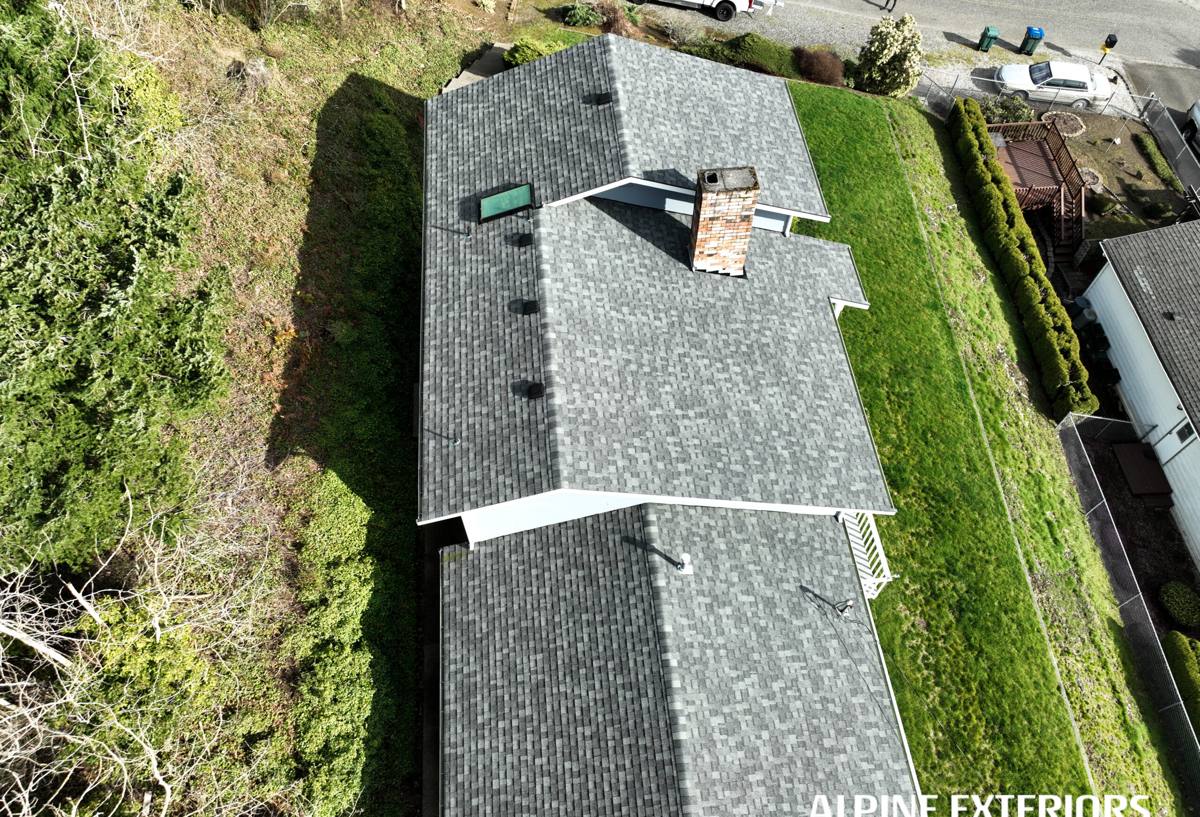
What Bradenton's Climate Actually Demands From a Roof
Wind Resistance and Fastening
When a named storm tracks anywhere near the Gulf Coast, the roof is the part of the house doing the most work to keep everything else intact. Metal roofing performs well in wind because it's installed as a continuous, mechanically fastened system rather than thousands of individual overlapping pieces, but that performance is entirely dependent on the fastening pattern, panel gauge, and clip spacing being correct for the wind exposure of the specific home. A metal roof installed with the wrong fastener spacing or an undersized panel gauge doesn't perform meaningfully better than a lesser roof in a real wind event — it just costs more.
Salt Air and Coastal Corrosion
Bradenton sits close enough to the water that airborne salt is a factor for most homes in the area, not just the ones directly on the coast. Salt accelerates corrosion on bare or poorly coated metal, on exposed fasteners, and at cut edges where the protective coating has been compromised. This is one of the most common places we see older metal roofs fail early — not the panels themselves, but the fasteners and flashing details that weren't specified for a coastal environment.
Heat, UV, and Attic Performance
Florida sun is intense and constant, and a dark, poorly ventilated metal roof can push attic temperatures higher than most homeowners expect, which shows up later as higher cooling bills and added strain on the HVAC system. The finish and color of the panels, along with proper attic ventilation underneath, matter as much as the metal itself for keeping the home comfortable through the summer.
Choosing the Right Metal Roofing System
"Metal roofing" covers more than one type of system, and the right choice depends on the home's roof pitch, architectural style, and budget. We walk homeowners through the tradeoffs rather than pushing one option by default.
Standing Seam vs. Exposed Fastener Panels
Standing seam panels use hidden clips and interlocking seams, with no exposed screws penetrating the panel face. Exposed fastener panels are screwed directly through the panel and are less expensive up front, but every one of those screw penetrations is a potential point of leak or corrosion over the life of the roof, especially once the rubber washers on the screws age and harden in Florida sun.
| Factor | Standing Seam | Exposed Fastener |
|---|---|---|
| Fastener exposure | Hidden clips, no face penetrations | Screws through panel face |
| Typical lifespan | Longer, fewer maintenance points | Shorter, fastener washers wear out |
| Upfront cost | Higher | Lower |
| Best fit | Primary residences, long-term ownership | Outbuildings, budget-driven projects |
| Wind performance | Very strong when clip-spaced correctly | Good, but relies on screw integrity over time |
For a primary home in a hurricane-exposed area like Bradenton, we generally recommend standing seam. The added upfront cost is offset by not having hundreds of screw penetrations to inspect and maintain over the years.
Materials That Actually Hold Up Near the Coast
Metal roofing panels are almost always steel or aluminum with a protective coating, and the right choice depends on how close the home is to salt water and brackish air.
- Galvalume steel — steel coated with an aluminum-zinc alloy; strong and cost-effective, performs well in most Bradenton neighborhoods that aren't in the immediate coastal corridor.
- Aluminum panels — naturally corrosion-resistant and a common upgrade for homes closer to the water, since it doesn't rely on a coating to resist rust the way steel does.
- Fastener and flashing material — should match or be compatible with the panel metal; mixing incompatible metals at fasteners and flashings causes galvanic corrosion, which is a common failure point on roofs that weren't detailed correctly the first time.
- Coating and finish (PVDF vs. SMP) — higher-grade PVDF finishes resist UV fading and chalking better over time than lower-cost SMP finishes, which matters given how much direct sun this roof will see every year.
We spec material and coating based on the home's actual exposure — a house a few blocks from the water gets treated differently than one further inland, even though both are technically in the Bradenton service area.
What a Correct Installation Actually Involves
The panels themselves get most of the attention, but the roofing system underneath and around them is what actually determines whether the roof performs in a real storm or just looks good on a calm day.
- A high-temperature, self-adhering underlayment rated for the local climate, not a generic felt product
- Properly lapped and sealed underlayment at every penetration — vents, stacks, skylights, chimneys
- Clip spacing and fastener schedule matched to the home's wind exposure, not a one-size pattern
- Compatible flashing metal at valleys, walls, and transitions to prevent galvanic corrosion
- Proper panel expansion allowance, since metal moves with temperature swings and needs room to do so without buckling
- Continuous or adequate ridge and soffit ventilation to manage attic heat
- Sealed, corrosion-resistant fasteners at every exposed connection point
Skipping or shortcutting any one of these doesn't necessarily show up on day one — it shows up two or three storm seasons later, usually at the worst possible time.
Permits and Wind Requirements
Roofing work in this part of Florida is governed by the Florida Building Code, which sets wind-load and product-approval requirements based on the coastal wind zone a home falls in. Bradenton and the surrounding Manatee County communities sit in a high-wind coastal zone, which means the metal panel system, fastening pattern, and underlayment all need documented product approval for the wind pressures the code requires — not just "hurricane-rated" as a marketing phrase. We handle permitting and pull the correct product approvals as part of the job rather than leaving that step to the homeowner.
Our Process for a Bradenton Metal Roof
The process is straightforward, but we don't skip steps to move faster:
- On-site inspection and measurement — we look at the existing roof deck, ventilation, and any problem areas before recommending a system.
- System and material selection — standing seam vs. exposed fastener, steel vs. aluminum, and finish, based on the home's exposure and the homeowner's budget and timeline.
- Permitting — pulling the correct county permit with the required wind and product approval documentation.
- Deck prep and underlayment — repairing any deck issues found and installing underlayment rated for the coastal climate.
- Panel installation — clips, panels, and flashing installed to the fastening schedule the wind pressure requires, not a generic default.
- Final inspection and walkthrough — confirming the work with the homeowner and making sure everything is documented for insurance and warranty purposes.
Maintenance and What to Expect Over Time
A correctly installed metal roof in this climate is genuinely low-maintenance, but "low-maintenance" doesn't mean "no maintenance." We recommend a simple annual visual check after storm season — looking at fastener heads, sealant at penetrations, and any area where debris might have collected — plus a rinse to clear salt film and organic buildup, especially on homes closer to the water. Catching a loose fastener or a worn sealant joint early is a five-minute fix; ignoring it for a few years turns into a leak.
Why Hire a Crew That Already Works in Bradenton
Metal roofing done correctly is a details business — clip spacing, flashing compatibility, fastener schedule, product approval documentation. Those details change depending on how exposed a specific home is to wind and salt, and that's something a crew learns by working in this specific market repeatedly, not by installing metal roofs somewhere with a milder climate and applying the same approach here. We work Sarasota and Manatee County homes regularly, including Bradenton, and we spec every roof for the actual conditions that property will face, not a generic national standard.
If you're weighing metal roofing for a Bradenton home, we're happy to walk the roof with you, talk through the real tradeoffs for your situation, and put together a free, no-pressure estimate — no obligation, just a straight answer on what your roof actually needs.