 Sarasota Siding
 Deck Replacement in Bradenton: Built for What This Coast Actually Does to Wood
A deck in Bradenton doesn't fail the way a deck in a landlocked climate does. Between the hurricane-season wind loads, the year-round UV exposure, wind-driven rain that gets up under boards and railings, and the salt air rolling in off the Gulf and Tampa Bay, a deck here is under a slow, constant attack from four directions at once. That's true whether the deck is a simple ground-level platform or a raised structure attached to a second-story living area. When we replace a deck in this area, we're not just swapping old boards for new ones — we're building something that's supposed to hold up under conditions a lot of decking products, and a lot of installation shortcuts, simply weren't designed for.
This page is specifically about deck replacement for Bradenton homes. Repair has its place, and we'll tell you honestly when a repair is the smarter move. But once a deck's structure — the framing, ledger board, footings, or posts — is compromised, patching the surface just buys a little time before the same problems come back.
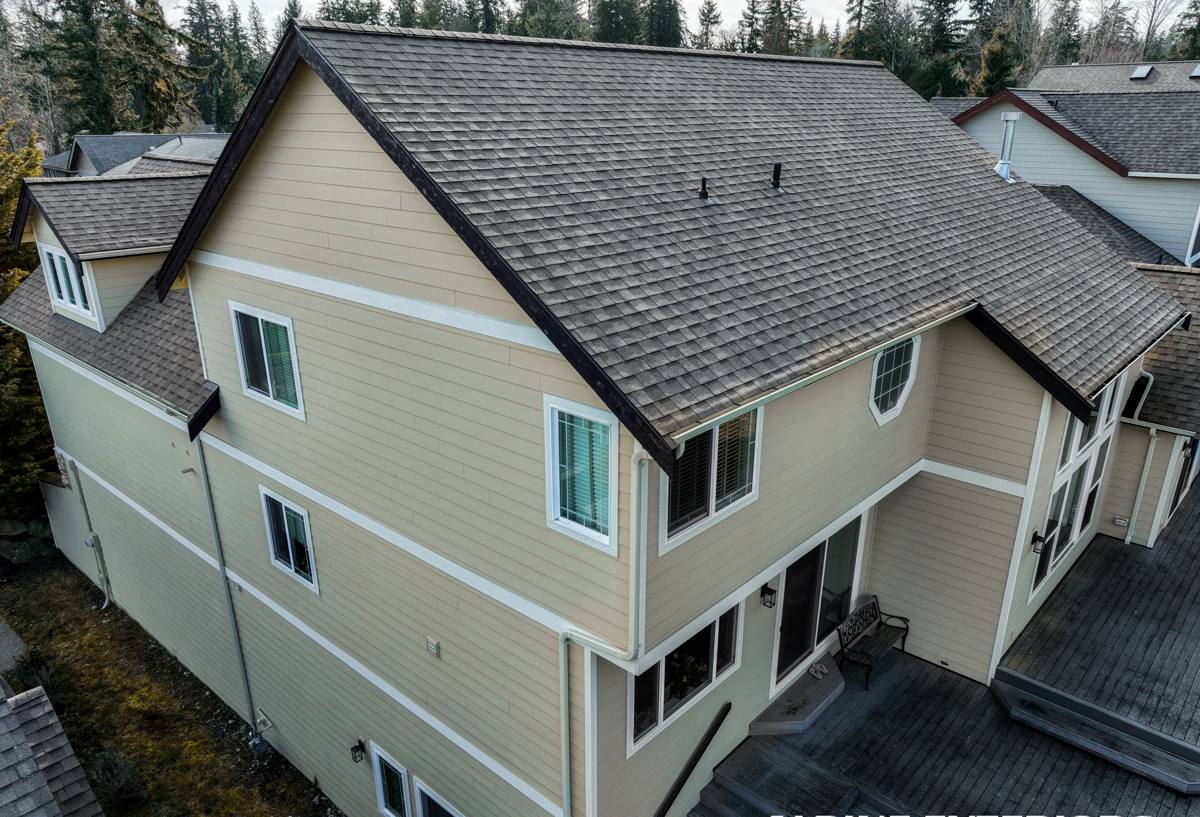
How to Tell a Deck Needs Replacing, Not Just Repairing
Homeowners often call us thinking they need a few boards swapped, and sometimes that's true. But there are signs that point to a structural problem underneath, and those are the ones that matter most in a coastal wind zone.
- Soft, spongy, or springy spots when you walk across the deck, especially near the house or stair landing
- Visible gaps, rust streaks, or movement where the deck's ledger board meets the house
- Railings or posts that wiggle or lean when pushed — a real problem if the deck is elevated
- Fasteners that are rusted, backed out, or corroded green (common with salt air and older galvanized hardware)
- Wood that's gone gray and fibrous, or that a screwdriver sinks into easily near ground contact
- Footings that are cracked, heaving, or were never poured to code depth in the first place
- A deck that's more than 15–20 years old and has never had the structure inspected, only the surface refinished
If what you're seeing is limited to cosmetic wear — faded boards, minor splinters, a stain job that's worn off — repair or refinishing may genuinely be enough, and we'll say so. Replacement is the right call when the frame, connections, or footings are the problem, because no amount of new decking fixes a structure that isn't sound underneath.
What a Correct Deck Replacement Actually Involves
The Structure Comes First
The part of the deck nobody sees — the framing, the ledger connection to the house, the footings, and the posts — is what determines whether the deck survives a tropical storm season or not. A correct replacement means sizing joists and beams for the actual span and load, using footings set to the depth local code requires for this soil and wind exposure, and flashing the ledger board properly so water can't work its way into the house rim joist. That last point is one of the most common failures we find on older decks: a ledger board attached without flashing, slowly rotting the house framing behind it while looking fine from the yard.
Fasteners and Hardware Matter More Here Than Almost Anywhere
Salt air corrodes standard fasteners faster than most homeowners expect. We use stainless steel or coated fasteners and connectors rated for coastal exposure, not the cheapest galvanized option — the cost difference is small, and it's one of the main reasons decks fail early in this region.
Decking, Railing, and Wind-Rated Details
Above the frame, the decking surface and railing system have to handle direct sun and driving rain without cupping, splitting, or loosening. Railings and stair connections also need to meet wind-load and guard-height requirements — not just look sturdy, but actually be engineered to hold under real coastal wind pressure.
Choosing the Right Decking Material for a Bradenton Yard
There's no single "best" decking material — there's a best material for your budget, your maintenance appetite, and how much direct sun and salt exposure your specific yard gets. We'll walk through the honest trade-offs rather than push one product.
| Material | Upfront Cost | Maintenance | How It Handles This Climate |
|---|---|---|---|
| Pressure-treated wood | Lowest | Annual sealing/staining recommended | Affordable and repairable, but needs consistent upkeep to resist UV graying, moisture, and salt-driven fastener corrosion |
| Composite decking | Mid to upper-mid | Occasional cleaning, no staining | Resists rot and UV fading well; quality matters — cheaper composites can absorb heat and show wear faster in full sun |
| PVC/capped polymer decking | Highest | Minimal — cleaning only | Best moisture and salt-air resistance of the common options; higher upfront cost offsets lower long-term maintenance |
| Tropical hardwoods | High | Periodic oiling to maintain color | Naturally dense and durable, but requires disciplined maintenance to prevent graying and checking in constant sun |
We install what fits your home and budget honestly, including pressure-treated wood when that's the right call. Where we're more selective is around certain composite and engineered products that have shown moisture-related core failures over time in humid coastal climates — not because the category is bad, but because installation sensitivity and moisture behavior vary a lot by manufacturer and product line. When we steer a client away from a specific product, it's a maintenance-burden and long-term-performance conversation, not a scare tactic.
Permitting and Code Requirements in This Area
Deck replacement in Manatee and Sarasota County generally requires a permit, and elevated decks or any structure attached to the house almost always do. Permits exist for a real reason here: they trigger an inspection of the footings, framing, and ledger connection before the deck gets covered up — the exact points that determine whether it survives a major wind event. We handle the permitting and inspection process as part of the job, so you're not left chasing paperwork or wondering whether the work will hold up to a county inspector's scrutiny.
Wind-load and guard/railing requirements in coastal Florida counties are also stricter than in a lot of the country, for obvious reasons. A deck built without those specifics in mind might look fine for a season or two, then fail exactly when a storm puts real pressure on it.
Our Process, Start to Finish
- Free on-site assessment. We look at the existing deck's frame, footings, and connection to the house — not just the surface — and tell you honestly whether replacement or repair is the right call.
- Straightforward proposal. Material options, scope, and a clear price, with the trade-offs explained instead of buried in fine print.
- Permitting. We pull the required permits and schedule inspections so the job is done to code, not just to eye.
- Demolition and disposal. Old decking, framing, and footings removed and hauled off; we check the ledger area and house framing behind the old deck for hidden moisture damage before building.
- Rebuild. New footings, framing, flashing, decking, and railing installed to spec, with coastal-rated fasteners and hardware throughout.
- Final walkthrough and inspection. We review the finished deck with you and make sure the county sign-off is complete before we consider the job done.
What Drives the Cost
Every deck is different, so we won't quote a number without seeing the site, but these are the main factors that move the price up or down:
| Factor | Why It Matters |
|---|---|
| Size and shape | Square footage plus complexity — multi-level decks and non-rectangular layouts cost more than a simple rectangle |
| Height off the ground | Elevated decks need deeper footings, stronger framing, and code-required railings |
| Decking material | Pressure-treated wood is the most affordable; PVC and premium composites cost more upfront but less over time |
| Existing structural damage | Rot found in the ledger area, house rim joist, or footings adds repair scope beyond the deck itself |
| Railing and stair complexity | Custom railing styles, multiple stair runs, or built-in features add labor and material |
| Permit and inspection requirements | Elevated or attached decks require more inspection steps than a simple ground-level platform |
Keeping a New Deck Solid After Installation
A well-built deck in this climate still needs some upkeep — the difference is that upkeep is manageable, not a constant fight against a failing structure. A few habits go a long way:
- Rinse off salt residue and debris periodically, especially after storms with wind off the water
- Check railing and stair connections once or twice a year for any looseness
- Keep gutters and downspouts near the deck clear so water isn't dumping directly onto it
- Reseal or restain wood decking on the schedule the manufacturer recommends — don't wait until it's visibly gray
- Clear leaves and organic debris from between boards so moisture doesn't sit trapped against the surface
- Have the under-structure looked at every few years, particularly the ledger board and footings, since that's where hidden problems start
Why a Crew That Already Works Bradenton Matters
Deck construction rules, wind-load requirements, and inspection expectations vary by jurisdiction, and Manatee County's permitting process isn't identical to Sarasota County's next door. A crew that regularly works this specific area already knows what local inspectors look for, what footing depths and connection details pass without a second visit, and which material choices actually hold up against this particular stretch of Gulf Coast weather rather than a generic "Florida" climate assumption. That local familiarity is the difference between a deck that sails through inspection and looks right for a decade, and one that runs into delays or premature wear because it was built to a spec that didn't account for this coast's specific combination of wind, sun, and salt.
We work throughout the Sarasota and Bradenton area, and we bring that same standard to every deck replacement — sound structure first, honest material guidance, and a finished job built to actually hold up here, not just look good on install day.
If your deck is showing its age or you're not sure whether it needs repair or full replacement, we're happy to take a look. Fill out the form below for a free, no-pressure estimate — we'll give you a straight answer either way.