 Sarasota Siding
 Bradenton's Climate Doesn't Go Easy on Windows
Bradenton sits on the Gulf Coast in Manatee County, right at the edge of the Sarasota metro area, and that location comes with a specific set of demands on a home's windows. Hurricane-force wind gusts test the seal and the anchoring. Wind-driven rain finds every gap in flashing or caulk that isn't done right. Intense, near-constant Florida UV breaks down vinyl, weatherstripping, and low-quality seals faster than it would in a milder climate. And salt air drifting in off the coast accelerates corrosion on hardware and fasteners that aren't rated for it. None of this is unique to Bradenton, but it's more constant here than in most of the country, and it's why window replacement in this area needs to be treated as a system decision, not just a swap of glass and frame.
A window that's a good fit for a home in the Midwest can be a poor fit here. The right approach starts with understanding what the local climate actually does to a window over ten or twenty years, then building the installation around that.
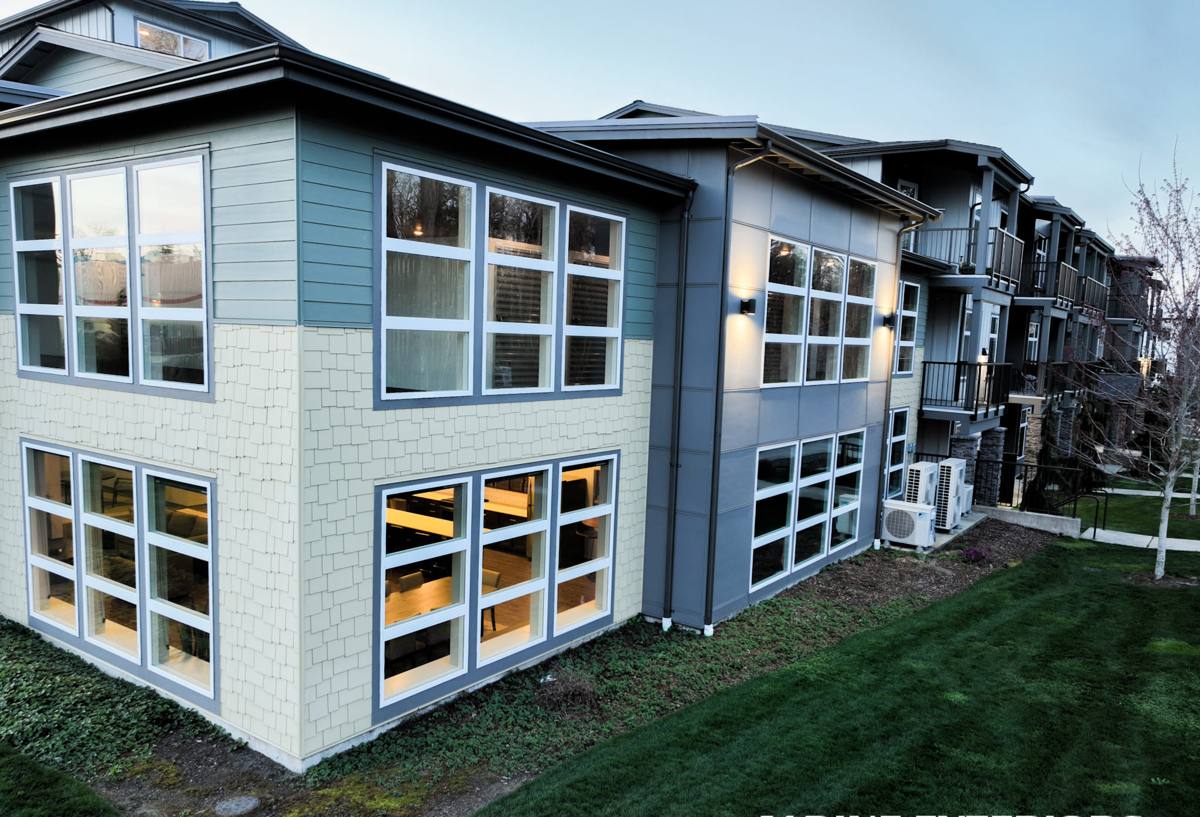
Signs a Bradenton Home Is Overdue for Window Replacement
Windows rarely fail all at once. Usually there are warning signs for a year or two before a homeowner decides to act. In our experience working on homes in this area, the most common ones are:
- Fogging or a hazy film between panes of double-pane glass — the seal has failed and the gas fill is gone
- Windows that are hard to open, close, or lock, especially after humidity swings
- Noticeable drafts or a whistling sound during windy conditions
- Soft or discolored wood at the frame or sill, a sign moisture has been getting in
- Chalky, faded, or pitted exterior frames from years of UV exposure
- Rattling or flexing during storms, which suggests the frame is no longer anchored the way it should be
- AC bills that keep climbing even though the unit and ductwork are fine
Any one of these on its own might just mean a repair. Several at once, especially on a home that still has its original windows, usually means replacement is the more honest recommendation.
What a Correct Window Replacement Job Actually Involves
Window replacement looks simple from the outside — old unit out, new unit in — but the parts that determine whether it holds up through the next decade of storms happen where you can't see them.
Inspecting and Repairing the Rough Opening
Once the old window is out, the opening should be inspected for rot, soft wood, or water damage before anything new goes in. Installing a new window into a compromised opening just hides a problem that will resurface, usually as a leak. Any damaged framing or sheathing needs to be repaired first.
Flashing and Water Management
Flashing is what actually keeps wind-driven rain out of the wall cavity, not the caulk bead around the trim. It needs to be layered correctly — sill pan first, then side flashing, then head flashing — so that any water that does get past the window sheds outward and down instead of into the wall. This is the step that gets rushed on cheap installs and is the most common source of hidden water damage years later.
Fastening for Wind Load
Every window sold for use in Florida has a documented product approval that specifies how it must be fastened to meet the wind load requirements for our region under the Florida Building Code. That means the right fastener type, spacing, and embedment into structural framing — not just enough screws to hold the window in place day to day. A window that's correctly rated but installed with the wrong fastening schedule doesn't actually deliver the protection its rating promises.
Shimming and Sealing
The window has to be set plumb, level, and square, shimmed at the right points so it isn't relying on the fasteners alone to hold its shape, then sealed properly on both the interior and exterior. A window that's slightly out of square will bind, leak, or wear its hardware out early.
Impact-Rated Windows vs. Standard Windows With Shutters
Homeowners in this area generally choose between impact-rated windows and standard windows paired with separate hurricane shutters or panels. Both are legitimate approaches, and the right one depends on budget, how the home is used, and personal preference.
| Factor | Impact-Rated Windows | Standard Windows + Shutters |
|---|---|---|
| Storm prep | None needed — protection is built in | Shutters or panels must be installed before every storm |
| Daily appearance | Looks like a normal window year-round | Clean when shutters are off; hardware visible when not |
| Upfront cost | Higher per window | Lower window cost, but shutters add their own cost |
| UV and noise | Laminated glass also cuts UV and outside noise | No added UV or noise benefit day to day |
| Long-term upkeep | Standard window maintenance | Shutter tracks and hardware need their own upkeep |
| Insurance | Often qualifies for wind mitigation credits | May qualify if shutters meet code and are documented |
Neither option is wrong. What matters is that whichever route a homeowner chooses is installed to meet the actual wind load requirements for this area, and that the paperwork (product approval numbers, permits) is handled correctly so it holds up with the insurance company and at resale.
Choosing a Frame Material for the Gulf Coast
Frame material affects how a window handles salt air, humidity, and UV over the long run. Here's how the common options generally compare in this climate:
| Frame Material | Salt Air / Coastal Durability | Maintenance | Relative Cost |
|---|---|---|---|
| Vinyl | Good — doesn't corrode, some UV-related brittleness over many years | Low — no painting, occasional cleaning | Lowest |
| Aluminum | Fair — strong, but standard hardware can corrode faster near the coast without marine-grade fasteners | Moderate — hardware should be checked periodically | Moderate |
| Fiberglass | Very good — stable in heat and humidity, resists corrosion well | Low | Highest |
For homes closer to the water, we lean toward vinyl or fiberglass with corrosion-resistant hardware, since standard-grade metal components tend to show wear faster the closer they are to salt air. For inland Bradenton homes, all three are reasonable choices and the decision comes down more to budget and style.
Our Window Replacement Process
- On-site assessment. We measure every opening, check the condition of the surrounding framing, and talk through how the home is used so the recommendation fits the house, not just a catalog.
- Product selection. We go over frame material, glass package, and impact rating options with honest trade-offs on cost, appearance, and upkeep — no pressure toward the most expensive option.
- Permitting. We handle the permit application and make sure the specified products carry the correct Florida product approval for our wind zone.
- Installation. Old units come out, openings are inspected and repaired as needed, flashing and fastening are done to the manufacturer's and code's specifications, and everything is sealed properly inside and out.
- Final walkthrough and inspection. Every window is checked for smooth operation and a clean seal, the permit inspection is closed out, and the job site is cleaned up.
Permitting and Wind Requirements in Manatee County
Window replacement in Bradenton requires a permit in most cases, and the products used need to meet the wind load provisions of the Florida Building Code for our coastal wind zone. This isn't paperwork for its own sake — it's what confirms the window that goes into the wall can actually take the pressure a Gulf Coast storm puts on it, and it's what an insurance company or a future buyer's inspector will want to see documented. Skipping the permit might save a little time up front, but it leaves the homeowner with no record that the work meets code, which can complicate insurance claims and home sales down the road.
Why a Crew That Already Works in Bradenton Makes a Difference
Window replacement done well depends on knowing the specifics of the area it's being done in — not just general best practices. A crew that regularly works in Bradenton and the surrounding Sarasota-Manatee area already understands the local permitting process, has a feel for the age and construction style of homes common here, from older canal-front properties to newer inland builds, and knows how much closer attention hardware and sealants need near the water versus further inland. That familiarity shows up in fewer surprises during the job and a finished install that's actually built for what this specific climate does to a window over time, not a generic install that happens to be located in Florida.
Before You Hire: A Quick Checklist
- Ask for proof of current Florida contractor license and liability insurance
- Get the scope of work and product specifications in writing before signing
- Confirm the windows carry a valid Florida product approval number for our wind zone
- Confirm who is pulling the permit and handling the inspection
- Ask how flashing and sealing will be handled, not just what brand of window is being installed
- Get the manufacturer's warranty terms and the installer's workmanship warranty in writing
- Ask how old windows and debris will be removed and disposed of
A contractor who answers these questions clearly and without hesitation is generally one who does this work correctly and often.
If your Bradenton home has windows that are drafty, fogged, hard to operate, or simply original to a house built decades ago, we're happy to take a look and give you a straightforward, no-pressure estimate. Use the form below to get started.