 Sarasota Siding
 Why Bradenton Roofs Wear Out Faster Than the Manufacturer's Warranty Suggests
Homes in the Bradenton area sit in one of the toughest climates in the country for a roof to survive. It isn't one single problem — it's four of them working together, year after year. Hurricane-force winds test every nail and seal during storm season. Intense, near-constant UV exposure bakes asphalt shingles from above, drying out the asphalt binders that keep them flexible and watertight. Wind-driven rain finds any gap in flashing or underlayment and pushes water sideways, uphill, and under laps that would stop a normal rainstorm. And salt air drifting in off the Gulf accelerates corrosion on fasteners, flashing, and vents long before the shingles themselves give out.
A shingle roof rated for a mild inland climate simply isn't engineered for that combination. When we talk about "correct" asphalt shingle roofing for a Bradenton home, we mean a system chosen and installed specifically to handle wind uplift, sustained UV load, and moisture intrusion at the same time — not a generic install that happens to be technically up to code.
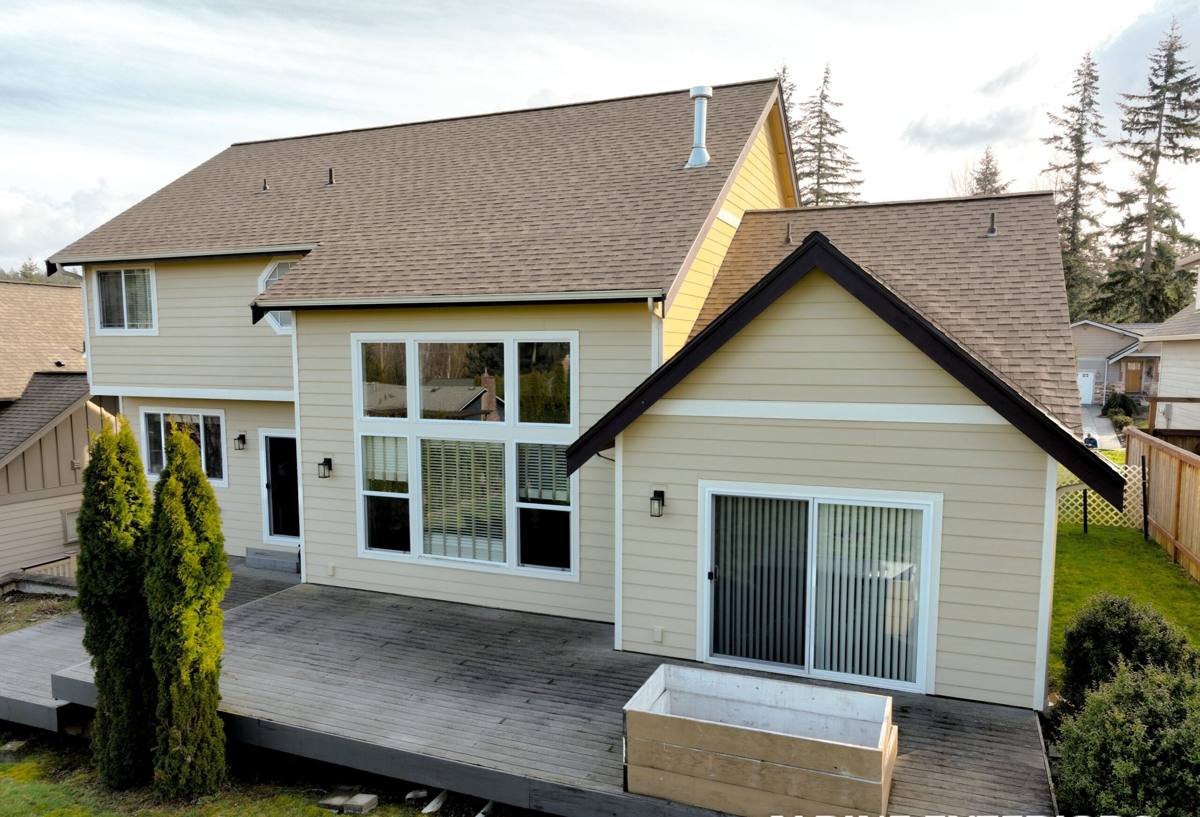
What a Correct Installation Actually Involves
Asphalt shingles look like a simple product, but the roof's performance in a storm comes almost entirely from what's underneath and how it's fastened — not from the shingle brand alone. A correct installation for this region includes:
Wind-Rated Materials, Matched to the Roof
Shingles carry wind ratings that depend on the nailing pattern and adhesive strip activation, not just the product label. We select shingle lines rated for high-wind coastal exposure and install them to the manufacturer's high-wind nailing specification — which typically means more fasteners per shingle, placed in the correct nail zone, not just "close enough."
Sealed, Layered Underlayment
A synthetic or self-adhering underlayment system is what actually keeps a house dry if wind ever lifts or damages shingles during a storm. In this climate we treat underlayment as a second line of defense, not an afterthought, with extra attention to valleys, eaves, and any low-slope transitions where wind-driven rain collects.
Flashing That Won't Corrode Prematurely
Step flashing, valley flashing, and pipe boot flashing take the brunt of salt air corrosion. We use flashing materials and boot components chosen to hold up in a coastal environment, not the minimum-cost option that starts rusting or cracking within a few years.
Proper Attic Ventilation
Heat and humidity trapped in an attic shorten shingle life from underneath, which is easy to miss because the damage isn't visible from the ground. Balanced intake and exhaust ventilation keeps attic temperatures down and reduces moisture buildup that can rot decking or void a shingle warranty.
Choosing the Right Shingle Line for This Climate
Not every asphalt shingle sold at a big box store is built for coastal Florida. The differences that matter here are wind rating, algae resistance, and how the shingle handles prolonged heat without becoming brittle.
| Shingle Class | Typical Wind Rating | Best Fit For |
|---|---|---|
| Standard 3-tab | Lower wind rating, lighter weight | Budget-limited projects on smaller, simpler roof shapes |
| Architectural (laminated) | Higher wind rating with proper nailing | Most Bradenton homes — better UV durability and impact resistance |
| High-wind / coastal-rated architectural | Highest available wind rating for asphalt shingles | Exposed lots, waterfront-adjacent properties, homes needing maximum wind mitigation credit |
We also favor shingle lines with algae-resistant granules. The warm, humid Gulf Coast air is exactly the environment that grows the dark streaking on north-facing slopes — it's cosmetic, not structural, but it's one of the first things neighbors notice and it's easy to prevent at the shingle level rather than fight later.
Our Installation Process, Step by Step
- Roof inspection and measurement — we assess deck condition, existing ventilation, flashing points, and any soft or water-damaged plywood before quoting.
- Tear-off and deck inspection — old material comes off completely so we can check the decking underneath, not just the shingles you can see.
- Deck repair as needed — any rotted or delaminated plywood is replaced before a single shingle goes down; this step gets skipped by crews trying to move fast, and it's where future leaks start.
- Underlayment and flashing installation — sealed underlayment, new drip edge, new step and valley flashing, and new pipe boots.
- Shingle installation to high-wind spec — correct nail count, nail zone placement, and starter strip detail at eaves and rakes.
- Ventilation check and correction — intake and exhaust balanced to the attic's actual square footage.
- Final walk-through — cleanup, gutter check, and a review of the finished roof with the homeowner before we consider the job done.
Signs a Bradenton Roof Needs Attention Now
Asphalt shingle damage in this climate is often gradual and easy to miss from the ground until it becomes a leak. Watch for:
- Granules collecting in gutters or at downspout outlets — a sign shingles are wearing thin
- Curling, cupping, or cracked shingle edges, especially on south- and west-facing slopes
- Dark streaking or discoloration across roof planes
- Shingles that look lifted, loose, or missing after any wind event, even a minor one
- Rust staining around vent pipes or metal flashing
- Soft spots underfoot or visible sagging along the roofline
- Water stains on interior ceilings, especially near valleys or chimneys
- Daylight visible through the roof deck from inside the attic
Any one of these on its own may not mean an emergency, but catching them early is almost always cheaper than waiting for a leak to show up inside the house.
Repair or Full Replacement? What Actually Drives That Decision
| Factor | Leans Toward Repair | Leans Toward Replacement |
|---|---|---|
| Roof age | Under 10-12 years, isolated damage | Nearing or past expected shingle lifespan |
| Damage extent | Localized — one slope, one storm event | Widespread granule loss, curling across multiple slopes |
| Deck condition | Solid decking, no rot found | Soft spots or water staining in the attic |
| Insurance situation | Minor documented storm damage | Major wind event with broad coverage-eligible damage |
| Future plans | Selling soon, need it functional short-term | Staying long-term, want current wind mitigation credit |
We'll always tell you honestly which side of that table your roof falls on. A patch job on a roof that's genuinely at the end of its service life just delays a bigger repair bill and risks a leak in the meantime.
Permits, Wind Mitigation, and Insurance Considerations
Roofing work on homes in this part of Florida is permitted work, and for good reason — the building code here specifically addresses wind uplift resistance because storms are a real, recurring risk, not a hypothetical. A properly permitted, inspected re-roof also matters for your homeowner's insurance: many carriers offer wind mitigation credits for roofs installed to current high-wind standards, with documentation (like a wind mitigation inspection form) to back it up. We pull permits, schedule required inspections, and can provide the documentation homeowners need for their insurance file. Skipping that process to save time is a shortcut that can cost you at claim time or at resale.
Why a Crew That Already Works Bradenton Roofs Matters
Roofing crews unfamiliar with this specific coastal environment tend to make the same mistakes: standard nailing patterns instead of high-wind spec, flashing materials that aren't suited to salt air, and ventilation that's copied from a roof plan built for a different climate zone. A crew that regularly works roofs in and around Bradenton and the greater Sarasota area already knows the local permitting process, the wind uplift requirements that actually apply here, and which installation details matter most given what this coastline does to a roof over time. That local experience shows up less in what you can see from the curb and more in how the roof performs the first time a serious storm actually tests it.
Maintenance That Extends the Life of a Shingle Roof Here
Asphalt shingle roofs in this climate benefit from more attention than the same product would need further inland. A simple maintenance routine goes a long way:
- Clear gutters and downspouts regularly so water sheds off the roof instead of backing up under shingle edges
- Trim back overhanging branches to reduce debris buildup and abrasion during wind
- Have the roof visually inspected after any significant storm, even if nothing looks obviously wrong
- Check attic ventilation isn't blocked by insulation or debris
- Address small flashing or sealant issues immediately rather than waiting for the next inspection cycle
None of this replaces a full inspection by someone who knows what to look for, but it reduces the chance of small issues turning into deck damage or interior leaks between visits.
Get an Honest Look at Your Bradenton Roof
If your roof is showing wear, was recently hit by a storm, or you're just not sure how much life it has left, we're happy to take a look and give you a straight answer — no pressure, no inflated urgency. Fill out the form below to schedule a free estimate.