 Sarasota Siding
 Roofing in Bradenton Isn't the Same Job as Roofing Inland
Bradenton sits close enough to the Gulf that every roof here is dealing with the same combination of stressors at once: sustained UV exposure nearly twelve months a year, salt-laden air moving in off the coast, wind-driven rain that gets pushed sideways under poorly sealed edges, and the real possibility of hurricane-force wind loads during storm season. None of these on their own is unusual for Florida. Together, on the same roof, year after year, they shorten the useful life of materials that might last decades somewhere with milder weather.
A roof replacement done right in this part of the state accounts for all of that from the start — not just the shingle or metal panel on top, but the underlayment, the flashing, the ventilation, and the fastening pattern underneath it. A roof that looks fine from the street can still be failing in ways that only show up when wind gets under it or water finds a gap that wasn't sealed correctly the first time.
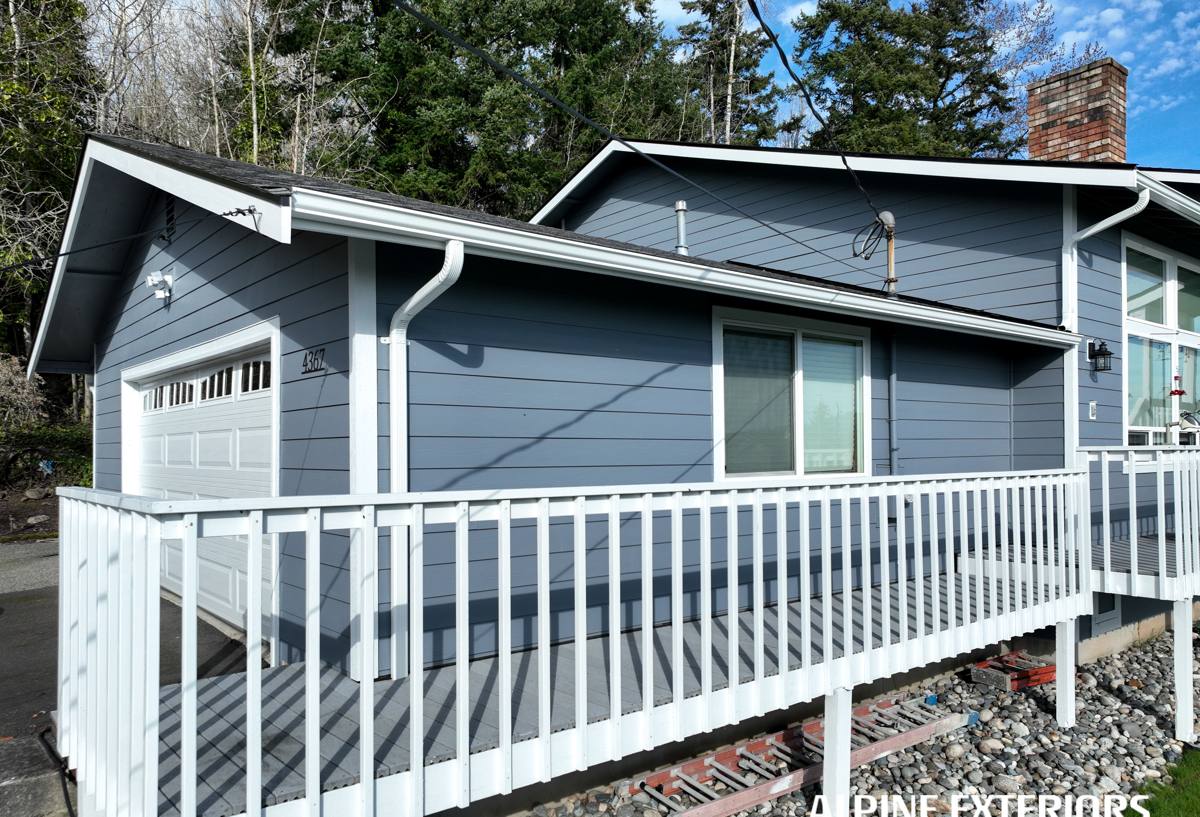
Signs a Bradenton Roof Needs Replacement, Not Another Repair
Homeowners often ask us to patch a leak, and sometimes a patch is genuinely the right call. But there's a point where repeated repairs cost more over time than one correct replacement, and where patching a roof that's structurally past its service life just delays an inevitable failure. Some signs point clearly toward replacement:
- Granule loss heavy enough that you're finding grit in gutters or at downspout exits
- Shingles that are curling, cupping, or cracking across multiple areas of the roof, not just one spot
- Soft spots in the roof deck when walked, which usually means water has already reached the wood
- Visible daylight through the attic, or insulation that's damp, discolored, or matted down
- A roof that's 18-25 years old (asphalt shingle) and has never had a full tear-off, even if it "looks okay" from the ground
- Recurring leaks in the same general area after more than one repair attempt
- Missing or lifted shingles after a wind event, especially near ridges, valleys, and eaves where uplift pressure concentrates
If your roof is showing one or two of these, a repair might genuinely buy you more years. If it's showing several at once, replacement is usually the more honest recommendation, and we'll tell you that directly rather than stacking patch jobs on a roof that's already compromised.
What a Correct Roof Replacement Actually Involves
It Starts Below the Surface
The shingle or panel you see is the least important layer for keeping water out during a hurricane-strength rain event. What matters more is what's underneath: a fully adhered or properly lapped underlayment, sealed flashing at every penetration, valley, and wall transition, and a deck that's sound and properly nailed before anything new goes on top of it. Skipping deck inspection to save a day of labor is one of the most common shortcuts in this trade, and it's the one that causes the most expensive failures down the road.
Wind Resistance Is Built In, Not Added On
Florida's building code sets minimum wind uplift requirements for roofing systems, and Manatee and Sarasota County both enforce them through permitting and inspection. That means fastening patterns, nail counts, and underlayment specs aren't optional upgrades — they're part of doing the job to code. A roof rated for local wind speeds isn't just a compliance checkbox; it's the difference between shingles that stay put in a 60-70 mph gust and ones that peel back at the first ridge line.
Ventilation Gets Overlooked More Than It Should
A roof that can't breathe traps heat and moisture in the attic, which shortens shingle life from underneath even if the top surface looks fine. Correct ridge and soffit ventilation matters as much in Bradenton's humidity as the shingle brand does — it's one of the parts of the job that doesn't show in a photo but shows up in how long the roof actually lasts.
Roofing Material Options for Bradenton Homes
There's no single "best" roofing material for every house — it depends on your budget, your roof's slope and shape, and how long you plan to own the home. Here's an honest comparison of what we typically install or discuss with homeowners in this area:
| Material | Typical Lifespan | Wind Performance | Best For |
|---|---|---|---|
| Architectural (dimensional) asphalt shingle | 20-30 years | Good, when installed with correct fastening and rated underlayment | Most budgets; strong balance of cost, appearance, and durability |
| 3-tab asphalt shingle | 15-20 years | Lower wind rating than architectural shingles | Tight budgets on lower-slope, less wind-exposed roofs |
| Standing seam metal | 40-60+ years | Excellent; among the highest wind ratings available | Owners planning to stay long-term or wanting minimal future maintenance |
| Concrete or clay tile | 40-50+ years | Very good when properly fastened, but individual tiles can crack from impact | Homes matching a Mediterranean or Spanish architectural style |
We don't push homeowners toward the most expensive option by default. If architectural shingle fits your roof, your budget, and your timeline, that's what we'll recommend. Metal and tile earn their higher upfront cost through longevity and lower long-term maintenance, but they're not the right fit for every house or every budget, and we'll walk through the real tradeoffs rather than assume more expensive automatically means better for your situation.
Permitting and Wind Mitigation in Manatee and Sarasota County
Bradenton falls under Manatee County's building department, just across the line from Sarasota County where our crews also work regularly. A roof replacement here requires a permit, and the finished work has to pass inspection against the current Florida Building Code wind uplift standards for our zone. We handle the permit paperwork and coordinate the required inspections as part of the job — it's not an extra step you have to manage yourself.
Once the new roof is installed and inspected, it's worth getting an updated wind mitigation inspection. Insurance carriers in Florida use these reports to apply premium discounts for features like a properly rated roof-to-wall connection, secondary water barrier, and hip roof shape. A new roof installed to current code can meaningfully lower your windstorm insurance costs, and the paperwork from the replacement often supports that inspection directly.
Our Roof Replacement Process
- Inspection and honest assessment — we get on the roof, check the deck where accessible, and tell you plainly whether you're looking at repair or replacement.
- Written estimate — material options, scope, and price laid out clearly, no vague allowances.
- Permitting — we pull the required Manatee County permit and schedule inspections before work begins.
- Tear-off and deck inspection — old roofing removed down to the deck, damaged wood identified and replaced before anything new goes down.
- Underlayment, flashing, and ventilation — the layers that actually keep water and wind out get installed to code, not just to appearance.
- New roofing material installed — fastened to the wind-rating specification for your zone and roof type.
- Final inspection and cleanup — county sign-off, magnetic sweep for debris, and a walkthrough with you before we consider the job done.
Why Hiring a Crew That Already Works Bradenton Matters
A roofing crew that's unfamiliar with this specific stretch of the Gulf Coast is working from general knowledge. A crew that already works Bradenton and the surrounding Sarasota-Manatee area knows the local wind zone requirements without having to look them up mid-job, has an existing relationship with the county permitting process, and has already seen how salt air and coastal humidity behave on roofs in this exact area over multiple seasons. That familiarity shows up in fewer surprises during inspection, fewer callbacks after storms, and a faster turnaround because we're not learning the local code on your project.
It also matters after the job is done. Hurricane season isn't hypothetical here — it's an annual event, and a roof installed by a crew that's still local and reachable next year, and the year after, is worth more than a rock-bottom quote from a crew that isn't answering the phone once the check clears.
Questions to Ask Before You Sign a Roofing Contract
Roofing draws its share of storm-chasing outfits that show up after major weather events and disappear before the warranty period is over. A few questions separate a legitimate local contractor from one you'll never reach again:
- Are you licensed to work in Florida, and can you provide your license number directly?
- Do you carry liability insurance and workers' compensation coverage, and can I see current certificates?
- Will you pull the permit yourselves, or is that left to me?
- What's the manufacturer's wind rating on the shingle or panel you're proposing, and does it meet code for this zone?
- What does the warranty actually cover — materials only, or labor too, and for how long?
- Do you have a permanent local address and a track record of jobs in this county, not just a phone number and a truck?
Any contractor who hesitates on these questions, or pressures you to sign same-day after a storm, is worth walking away from. A correct roof replacement is a significant investment, and it's reasonable to expect straight answers before you commit to it.
Get a Straight Answer on Your Roof
If your roof is showing its age, took wind damage, or you're just not sure whether repair or replacement makes more sense, we're glad to take a look and give you an honest read — no pressure, no inflated urgency. Fill out the form below for a free estimate, and we'll walk the roof, explain what we find, and lay out your real options in plain terms.