 Sarasota Siding
 Why Bradenton Siding Takes a Beating
Bradenton sits on Florida's Gulf Coast in Manatee County, just north of Sarasota, and that location comes with a specific set of exterior challenges. Homes here deal with hurricane-force wind gusts during storm season, wind-driven rain that gets pushed sideways into seams and laps, intense UV exposure nearly every day of the year, and a steady dose of salt air drifting in off the coast. None of these stresses act alone. They compound. A siding panel that's already sun-baked and brittle is far more likely to crack under wind pressure. A fastener that's slowly corroding from salt exposure is more likely to work loose in a storm. That's the environment any siding repair in Bradenton has to be built to survive, not just patched to look good for a season.
This is a local repair page for one reason: siding repair done right in Bradenton looks different than siding repair in a drier, calmer climate. The materials, the flashing details, and the sequencing all need to account for what this coastal environment actually does to a house over time.
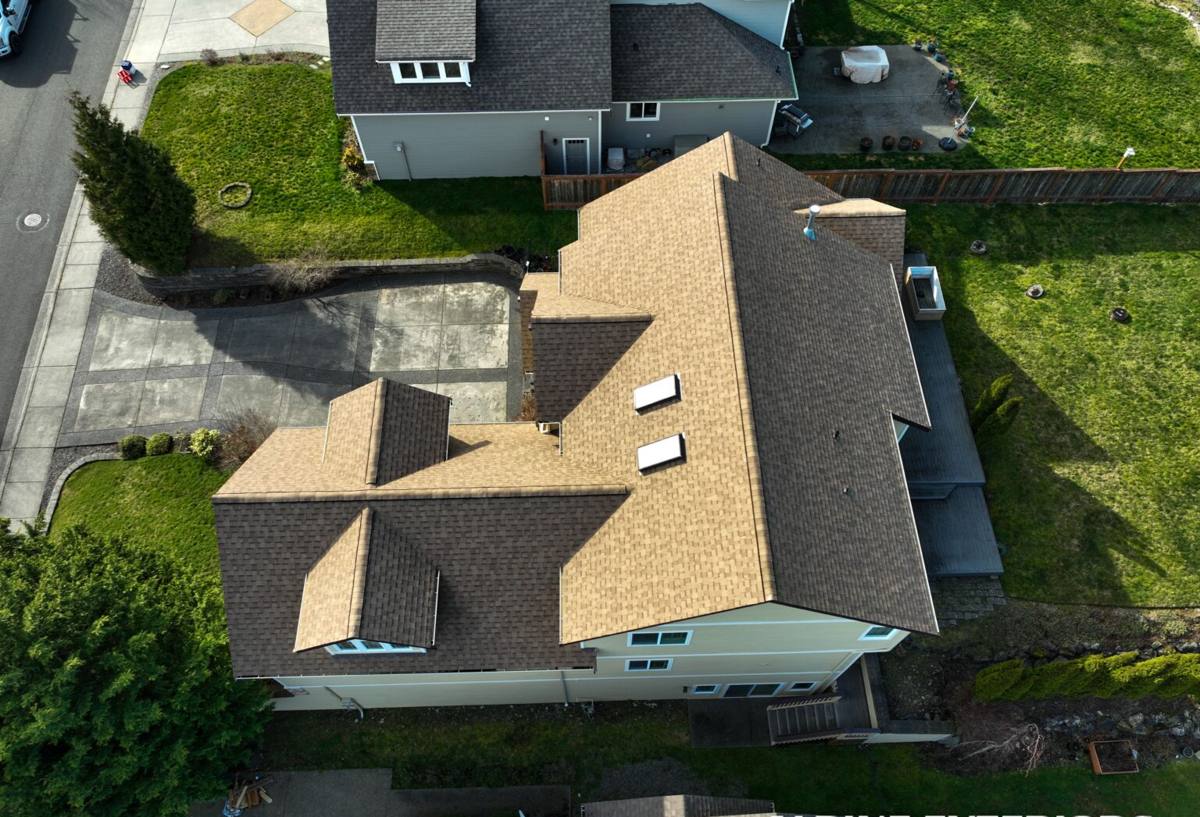
Common Siding Damage We See in Bradenton Homes
Wind and Storm Damage
Sustained coastal winds and tropical systems put direct pressure on siding, especially at corners, around window and door trim, and near roof lines where wind uplift is strongest. Panels can crack, pull loose from fasteners, or get punctured by wind-borne debris. Even when the damage looks minor from the ground, a compromised panel is an open door for water.
Moisture Intrusion
Wind-driven rain doesn't fall straight down here, it gets pushed into laps, seams, and any gap around penetrations like hose bibs, light fixtures, or vents. Once water gets behind siding, it can sit against sheathing and framing for weeks without an obvious sign on the surface. By the time a homeowner notices soft trim, a musty smell, or bubbling paint, the damage has usually been developing for a while.
UV Fading, Chalking, and Cracking
Florida's sun exposure is relentless. Lower-grade siding materials and older paint systems chalk, fade unevenly, and become brittle from constant UV breakdown. Brittle siding is more prone to cracking under impact or thermal movement, which then becomes a moisture entry point.
Salt Air Corrosion
Proximity to the Gulf means airborne salt settles on exterior surfaces and accelerates corrosion of exposed metal, including fasteners, flashing, and trim hardware. Corroded fasteners lose their holding power over time, which is a common root cause behind siding that appears to be "coming loose" for no obvious reason.
Why Repair Timing Matters More Here Than Elsewhere
In a milder climate, a small siding issue might sit for a year or two without getting much worse. In Bradenton, the combination of heat, humidity, UV, and periodic high wind events means small problems escalate faster. A hairline crack lets moisture in, humidity keeps the area damp longer than it would in a drier climate, and the next windstorm can turn a repairable section into a much larger job involving sheathing or framing repair. Catching damage early, and repairing it correctly the first time, is genuinely one of the most cost-effective things a Bradenton homeowner can do for their exterior.
What a Correct Siding Repair Actually Involves
A proper repair isn't just about replacing the piece of siding that's visibly damaged. It starts with figuring out why that section failed in the first place. If the root cause is bad flashing, a caulk failure, or a fastener issue and we only swap the panel, the same damage will come back.
- Identify the true source of the damage, not just the visible symptom
- Remove and inspect the affected siding, house wrap, and sheathing underneath
- Check for hidden moisture damage that extends beyond the visible crack or gap
- Correct flashing, sealant, or fastening details that contributed to the failure
- Replace damaged material with a matching product and profile
- Re-seal and finish so the repair blends with the surrounding siding, not just structurally sound but visually consistent
Skipping any of these steps is how a "repair" ends up needing to be redone within a year or two.
Repair or Replace? How We Help You Decide
Not every damaged section needs a full re-side, but not every problem should be patched either. The right call depends on how widespread the damage is, what's causing it, and how old the existing siding is.
| Factor | Leans Toward Repair | Leans Toward Replacement |
|---|---|---|
| Extent of damage | Isolated to a few panels or one wall | Spread across multiple elevations |
| Underlying material | Sheathing and framing are sound | Rot or water damage found underneath |
| Age of existing siding | Newer material still under warranty life | Nearing or past its expected service life |
| Root cause | One-time impact or fastener issue | Systemic flashing or installation problem |
| Cosmetic match | Replacement panels can match existing color/profile | Discontinued product or heavy fading mismatch |
We'll walk you through which category your home falls into and explain the reasoning, not just hand you a number.
Our Siding Repair Process in Bradenton
- On-site inspection. We look at the damaged area and the surrounding siding, including flashing, trim, and penetrations that could be contributing to the problem.
- Honest diagnosis. We explain what we found, what caused it, and whether a targeted repair or a broader fix is the right move.
- Clear scope and estimate. You know what's being repaired, why, and what it involves before any work starts.
- Proper tear-out. Damaged material comes out cleanly, and we check the sheathing and house wrap underneath before closing anything back up.
- Correct reinstallation. Flashing, fasteners, and sealant details are corrected as part of the repair, not just the visible siding.
- Final walkthrough. We confirm the repair blends with the surrounding siding and that you understand what was done.
Why We Only Repair and Install James Hardie Fiber Cement
We standardized on James Hardie fiber cement siding, and that decision shapes how we approach repair work too. Hardie's HZ5 product line is engineered specifically for high-humidity, high-heat climate zones like Florida's Gulf Coast, which means it resists moisture-related warping and swelling far better than wood-based or wood-alternative products that can absorb water at cut edges and seams. It's non-combustible, which matters for wind-borne ember exposure during storm events, and its factory-applied ColorPlus finish is baked on to resist the fading and chalking that UV exposure causes on field-painted siding.
That matters for repairs specifically because fiber cement holds its dimensions and finish consistently, which makes it much easier to match new panels to existing siding after a repair. Products that fade unevenly or expand and contract with humidity are harder to patch invisibly. We don't install or repair vinyl, LP SmartSide, Cemplank, Allura, or primed wood siding. That's a deliberate standard, not a lack of familiarity with those products, and it's based on how those materials tend to perform over years of Florida sun, humidity, and storm exposure versus how Hardie fiber cement holds up under the same conditions.
Why It Matters to Hire a Crew That Already Works Bradenton
Siding repair in a coastal Florida market isn't identical to siding work inland or in a different climate zone. A crew that regularly works Bradenton and the surrounding Sarasota and Manatee County area already understands the wind-load expectations local homes are built to, how salt air affects fastener choice, and what flashing and sealant details actually hold up here versus what looks fine on installation day and fails in a year. That local experience shows up in the details: which caulks and sealants perform in this humidity, how deep to flash around penetrations, and how to fasten siding so it holds through storm season instead of just until the next one.
It also matters for accountability. A local contractor is going to be around to stand behind the repair, not a crew that did one job in the area and moved on.
Signs Your Bradenton Home May Need Siding Repair
- Visible cracks, splits, or holes in siding panels
- Soft or spongy spots when pressed near seams, corners, or the bottom of walls
- Peeling paint, bubbling, or discoloration in a localized area
- Warped, buckled, or separated panels
- Rust streaks or visibly corroded fasteners
- A musty smell near an exterior wall inside the home
- Gaps opening up around trim, windows, or doors
Any one of these on its own might be minor. Several together, or damage that's been sitting for a while, is worth having looked at before the next storm season adds pressure to an already weak spot.
If you're seeing any of these signs on your Bradenton home, or you'd just like an honest opinion on whether a section of your siding needs repair or replacement, we're happy to take a look. Fill out the form below for a free, no-pressure estimate.