 Sarasota Siding
 Why Board & Batten Wears Differently in Bradenton's Climate
Bradenton sits along Tampa Bay in Manatee County, just north of Sarasota and close enough to the Gulf that homes here deal with the same coastal punishment as the rest of the region: hurricane-force wind events, intense year-round UV, wind-driven rain, and salt air moving in off the water. Any siding profile has to hold up to that combination, but board and batten carries a specific vulnerability the flatter, more common lap profile doesn't share to the same degree.
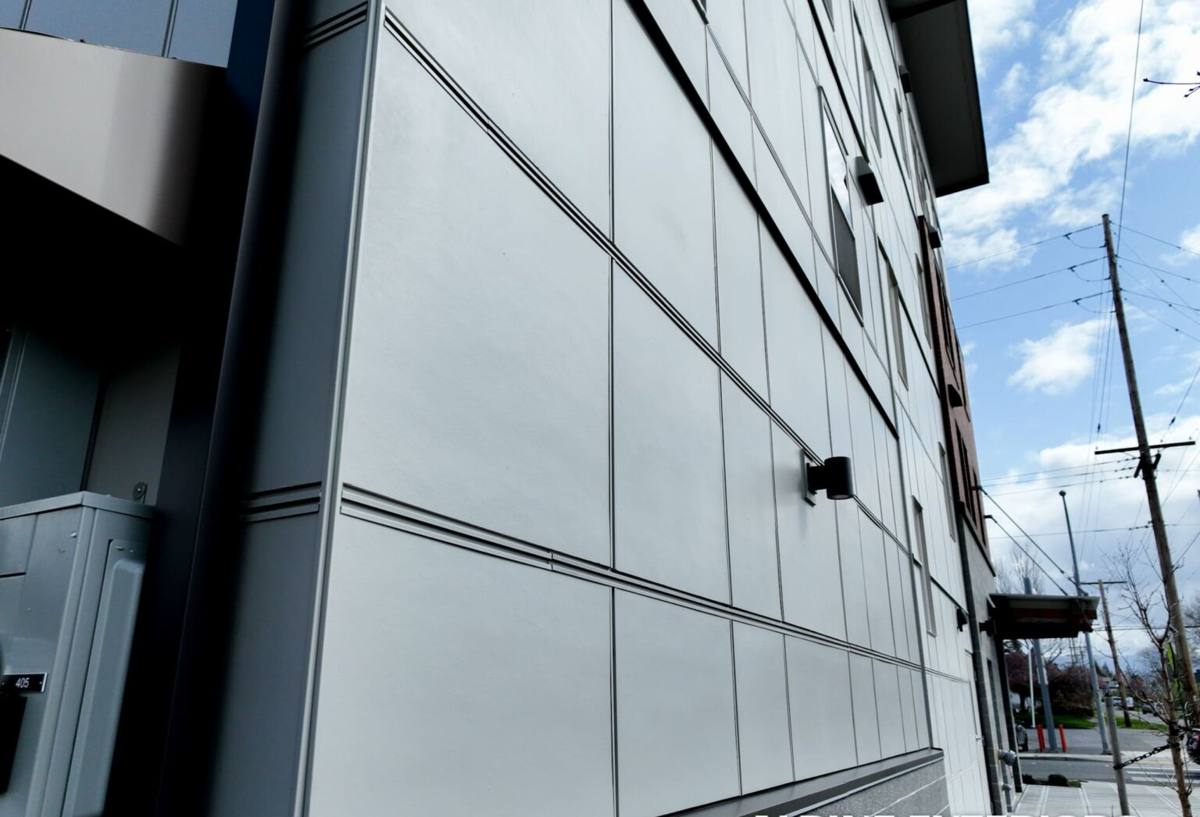
Board and batten is built from wide panels with narrow strips — the battens — covering the vertical seams between them. That design is what gives the profile its clean, textured, farmhouse-and-coastal look that's become popular on Bradenton homes, but it also means more vertical joints and more fastener lines running down the wall than a horizontal lap installation has. Every one of those joints and fastener points is a place where wind-driven rain can try to work its way behind the siding, and where UV and salt exposure concentrate on exposed fastener heads and trim edges. Get the material and the installation details right, and none of that is a problem. Get them wrong, and a board and batten wall in this climate will show trouble years before a comparable lap installation would.
What Board & Batten Siding Actually Is
The look itself — flat panels with vertical battens over the seams — can be built out of several different materials, and the material matters more here than it would in a milder climate.
Fiber Cement vs. Wood Board and Batten
Traditional board and batten was originally a wood siding style, and wood or primed wood versions are still sold today. Wood moves with humidity, and Bradenton's humidity swings are significant and constant. That movement stresses paint and caulk joints at every batten seam, and once moisture gets past a compromised joint, wood siding absorbs it rather than shedding it. Fiber cement doesn't expand and contract with humidity the way wood does, and it doesn't absorb water into the substrate the same way, which is a meaningful advantage on a profile that has this many seams to begin with.
Fiber Cement vs. Vinyl Board and Batten
Vinyl board and batten is common because it's inexpensive and low-maintenance in the sense that it never needs painting. But vinyl is a thin plastic product that softens, warps, and can crack under sustained heat and impact, and it's rated for wind speeds that can fall short of what a coastal Manatee County property actually experiences in a serious storm. It also doesn't hold paint if a homeowner ever wants a different color later — what you install is the color you have for the life of the product. Fiber cement with a factory finish handles heat, wind load, and long-term color retention in ways vinyl in this profile generally doesn't match.
What a Correct Board & Batten Installation Involves
The panels and battens get the attention, but the installation details behind them are what actually determine whether the wall performs over the next twenty or thirty years.
Fastening and Batten Spacing
James Hardie publishes specific fastening patterns and batten spacing requirements for its vertical panel systems, and those requirements exist because they were engineered for wind load and water shedding, not just appearance. Batten spacing that drifts from spec, or fasteners placed incorrectly along the panel edge, can compromise both the wind rating of the wall and its ability to shed water at the seams.
Moisture Management Behind the Panel
Every board and batten wall needs a compliant water-resistive barrier behind the panels, with flashing detailed correctly at every penetration, window, and door opening. In a high-humidity, high-rain climate like ours, that drainage plane is doing real work — it's the layer that carries away whatever moisture gets past the siding itself, which over the life of the house is not a hypothetical amount of water.
A Climate-Engineered Product Line
James Hardie makes different formulations of its siding for different climate zones, and the version engineered for humid, wet regions like the Gulf Coast is built differently than the version sold in dry or freeze-thaw climates. We install the Hardie product line engineered for Florida's humidity and rainfall, not a generic version of the product, because that formulation is what's actually been tested against the conditions Bradenton sees.
Factory Finish, Not Field Paint
Hardie's ColorPlus finish is baked on at the factory under controlled conditions, which gives it better UV and fade resistance than a field-applied paint job, along with a longer color warranty. On a profile with this many exposed edges and seams, a finish that resists chalking and fading under Florida sun for years, not months, makes a visible difference over time.
Why We Only Install James Hardie for This Look
We install James Hardie fiber cement exclusively — we don't do board and batten in vinyl, primed wood, or other fiber cement brands. That's a standard we hold across every job, not a special exception for this profile. Board and batten in particular is unforgiving of cut corners, because a seam-heavy vertical profile in a coastal wind-and-rain climate punishes weak materials and sloppy detailing faster than a plainer wall does. James Hardie's combination of a non-combustible fiber cement core, a factory finish built for UV and salt exposure, and a climate-specific product formulation is what we've found actually holds up to Bradenton conditions over the long haul, backed by a strong transferable warranty when it's installed to spec.
Our Process for a Bradenton Board & Batten Project
We start with a site visit to look at the existing siding condition, wall orientation and sun exposure, and how exposed the home is to prevailing wind and rain direction. From there we walk through panel and batten spacing options, color, and reveal width, since board and batten reads very differently depending on how wide the battens are spaced.
Manatee County permitting for exterior work generally follows Florida's statewide wind-load and product-approval requirements, and we handle that permitting process rather than leaving it to the homeowner. Once permitted, installation follows the sequence above: water-resistive barrier and flashing first, then panels fastened to spec, then battens set at the engineered spacing, then trim and any transition details. We finish with a walkthrough covering what little ongoing maintenance the finished siding actually needs.
What Drives Cost on a Board & Batten Job
| Cost Factor | Why It Matters |
|---|---|
| Tear-off vs. new construction | Removing and disposing of existing siding, and repairing any sheathing damage found underneath, adds labor beyond a bare-wall install |
| Batten spacing and reveal width | Narrower batten spacing means more material and more fastening labor per square foot of wall |
| Trim and transition complexity | Corners, window and door surrounds, and roofline transitions all take more time to detail correctly on a vertical profile than on a plain wall |
| Wall height and access | Two-story walls and homes with limited equipment access take longer and require more scaffolding or lift time |
| Color and finish selection | Standard ColorPlus finishes versus premium or custom color options carry different material costs |
We walk through these factors specific to your home during the estimate rather than quoting a generic per-square-foot number that doesn't account for what your project actually needs.
Maintenance Board & Batten Actually Needs From You
James Hardie fiber cement is low-maintenance, not maintenance-free. A little routine attention keeps it performing the way it was installed to:
- Rinse the exterior periodically to clear salt residue, pollen, and organic buildup, especially on walls facing prevailing wind off the bay or Gulf
- Inspect caulking at trim joints and penetrations annually, and re-caulk any joint that's cracked or pulled away
- Check for any paint chalking or fading beyond what's normal for the finish age, which can signal a finish issue worth a call
- Keep landscaping trimmed back from the wall so moisture and debris don't sit against the siding or battens
- Address any soft spot, staining, or fastener corrosion right away rather than waiting, since those are early signs of a moisture path that's found its way behind the panel
Why It Matters That We Already Work Bradenton
A crew that mostly works inland, milder markets can still install board and batten competently, but a Manatee County coastal property has requirements that don't come up as often elsewhere: wind-load detailing tied to storm exposure, permitting that follows Florida's coastal product-approval rules, and a humidity and salt load that punishes weak fastening or moisture details faster than a drier climate would. Working Bradenton regularly means we're not learning those requirements on your project — we already know what batten spacing, fastener grade, and drainage detailing actually hold up here, because we've installed to that standard on homes like yours before.
If you're considering board and batten siding for a Bradenton home, we're happy to walk the property with you and lay out exactly what it would take, plainly and without pressure. Reach out below for a free estimate.