 Sarasota Siding
 Why Bradenton Homes Need Siding Built for This Climate
Bradenton sits close enough to the Gulf that salt-laden air reaches inland neighborhoods on a regular breeze, while the rest of the year brings the kind of sun exposure and humidity swings that few siding products are actually engineered to handle. Add in hurricane-season wind and wind-driven rain, and a Bradenton home's exterior is doing a lot more work than siding on a house further north ever would. Siding here isn't just a cosmetic layer — it's the first line of defense against moisture intrusion, UV breakdown, and wind pressure that can pull weaker materials apart at the seams.
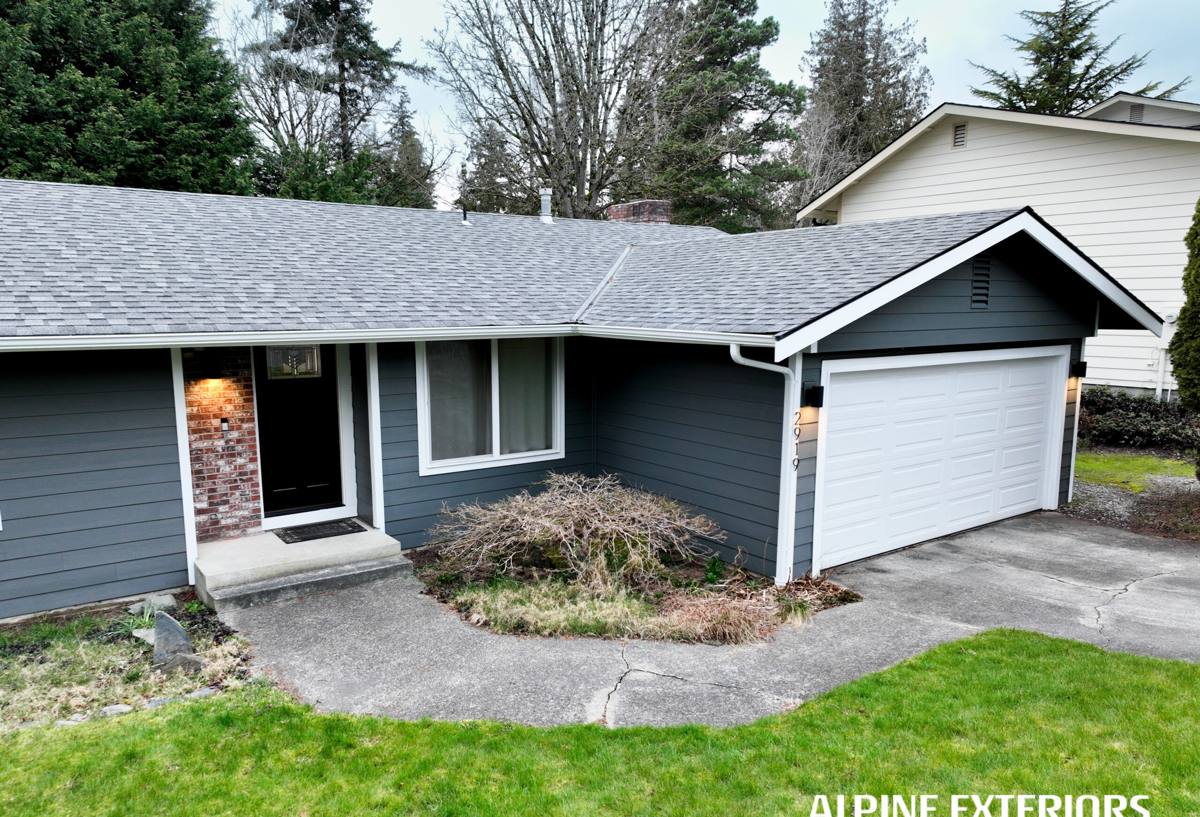
We install James Hardie fiber cement siding exclusively, on every home we work on in Sarasota County and Bradenton. That's not a marketing preference — it's a standard we've held to because we've seen what this climate does to products that weren't built for it. This page walks through what a correct James Hardie installation looks like specifically for a Bradenton home, and why the details matter more here than almost anywhere else in the country.
What Bradenton's Climate Actually Does to Siding
Salt Air and Corrosion
Even homes that aren't waterfront still pick up airborne salt that drifts inland with coastal humidity. Salt accelerates corrosion on fasteners, trim flashing, and any metal components integrated into a siding system. It also settles into porous or absorbent materials, contributing to premature surface breakdown over years of exposure.
UV Exposure Year-Round
Florida doesn't get a real winter break from sun exposure. Siding on south- and west-facing walls in Bradenton takes a near-constant UV load, which is exactly the kind of exposure that fades paint, breaks down resins, and dries out wood fiber over time.
Wind and Wind-Driven Rain
Sarasota County sits in a hurricane-exposed region, and even outside of named storms, Bradenton gets regular high-wind events with rain driven sideways into wall assemblies. Siding that isn't fastened, lapped, and flashed correctly will let water behind it long before it ever fails visibly from the outside.
Humidity and Moisture Cycling
High ambient humidity combined with afternoon thunderstorms means siding here is almost never fully dry for long. Materials that absorb moisture and swell, then dry and shrink, go through that cycle constantly — and that repeated movement is what causes joints to open, paint to crack, and edges to deteriorate.
Why We Install James Hardie and Nothing Else
James Hardie fiber cement is a cement-based composite, not wood and not vinyl, and that composition is the reason it holds up under the conditions above. It doesn't absorb water the way wood-based products do, it doesn't soften or warp in heat the way vinyl can, and it's non-combustible — a real consideration in a state where wildfire and lightning-strike home fires both happen. The factory-applied ColorPlus finish is baked on under controlled conditions, which gives it meaningfully better fade and moisture resistance than field-applied paint.
We don't install LP SmartSide, vinyl, Cemplank, Allura, or primed wood siding. Each of those has legitimate uses in the right climate or budget, but none of them are what we'd choose to put on a Bradenton home ourselves, and we're not going to install something we wouldn't stand behind for the next 20-plus years of Gulf Coast weather. James Hardie's HZ5 product line is specifically engineered for high-humidity, high-moisture climates like Florida's, which is the version we spec on homes in this area.
Product Comparison for Bradenton Conditions
| Factor | James Hardie Fiber Cement (HZ5) | Vinyl Siding | Wood/LP-Type Composite |
|---|---|---|---|
| Salt air resistance | Strong — cement base doesn't corrode | Moderate — can become brittle over time | Weak — absorbent, vulnerable to rot |
| UV / fade resistance | Strong with ColorPlus factory finish | Fades and chalks over years of full sun | Depends on repainting schedule |
| Wind rating potential | High when installed to code with proper fastening | Lower impact resistance, can crack/blow off | Varies by product and fastening |
| Moisture/humidity behavior | Resists swelling, cracking, and moisture-driven warping | Doesn't absorb, but can trap moisture behind panels | Prone to swelling and rot if moisture reaches it |
| Fire classification | Non-combustible | Combustible | Combustible |
What a Correct James Hardie Install Involves
The material only performs the way it's supposed to if the installation matches Hardie's own engineering specs — and this is where most siding problems, on any product, actually originate. A correct install in a wind- and moisture-exposed area like Bradenton includes:
- Proper starter strip and lap spacing so water sheds correctly at every course
- Correct fastener type, spacing, and embedment depth — under-driven or over-driven nails are one of the most common causes of early failure
- Rain screen or weather-resistive barrier installed behind the siding, not just house wrap alone in high-exposure areas
- Flush, sealed penetrations around every window, door, vent, and utility line
- Proper flashing above windows, doors, and any horizontal trim to direct water outward, not behind the wall
- Caulking and joint treatment matched to Hardie's specifications, not generic exterior caulk
- Field-cut edges primed or sealed before installation, since raw cut edges are a common moisture entry point if left untreated
Skipping any one of these steps doesn't usually show up as a problem in year one. It shows up in year five or eight, as trapped moisture, soft spots, or paint failure at the seams — by which point it's a repair job instead of a five-minute fix during installation.
Our Process for a Bradenton James Hardie Project
1. On-Site Assessment
We walk the exterior, check the current siding and any moisture damage behind it, assess sun and wind exposure by wall, and identify trouble spots like window returns, roof-to-wall transitions, and low-clearance areas.
2. Product and Color Selection
We help you choose the right Hardie profile (lap, shingle, or panel) and ColorPlus color for your home, factoring in HOA guidelines where applicable and how the color will hold up under Bradenton's sun exposure on each elevation.
3. Tear-Off and Substrate Check
Old siding comes off and we inspect the sheathing underneath for any hidden moisture damage before anything new goes up — installing new siding over a compromised substrate just locks the problem in.
4. Weather Barrier and Flashing
We install or verify the weather-resistive barrier and flash every penetration and transition point before a single piece of siding goes on.
5. Installation to Hardie Spec
Fastening, lap spacing, and joint treatment follow Hardie's published installation guidelines exactly — not a generalized approach adapted from other siding types.
6. Final Walkthrough
We review the completed job with you, checking caulking lines, trim details, and overall finish before considering the project done.
Why Local Experience in Bradenton Matters
A crew that regularly works Bradenton and the broader Sarasota County area already knows which wall orientations take the worst sun, which older neighborhoods tend to have moisture issues hiding under existing siding, and how local wind exposure factors into fastening and flashing decisions. That's not something you get from a general contractor who does siding occasionally between other trades — it comes from doing this specific work, on this specific coastline, over and over.
It also means faster response if something needs attention after installation, familiarity with local permitting, and an understanding of how HOA and code requirements in this area tend to run. Hiring a crew that treats Bradenton as home territory, not just another job site, is part of why the installation details above actually get followed instead of shortcut.
Maintenance Expectations After Installation
James Hardie siding is genuinely low-maintenance compared to wood or vinyl, but "low-maintenance" doesn't mean "no maintenance" — especially in a salt-air, high-UV environment. A simple annual check goes a long way:
- Rinse siding periodically to clear salt residue and general grime buildup
- Inspect caulking around windows, doors, and trim once a year for cracking or separation
- Watch for any staining or discoloration near roof-to-wall intersections, which can signal a flashing issue
- Trim back landscaping that holds moisture against the siding surface
- Repaint only when needed — ColorPlus finishes are designed to hold color far longer than field-applied paint, but plan on eventual repainting decades out, not years
What This Project Typically Involves
Every home is different, but cost and scope on a Bradenton James Hardie project are generally driven by a handful of factors:
| Factor | Why It Matters |
|---|---|
| Home size and wall complexity | More corners, gables, and transitions mean more cutting, flashing, and labor time |
| Existing siding removal | Tear-off and disposal of old material adds time versus installing over new construction sheathing |
| Substrate condition | Hidden moisture damage found during tear-off may require repair before siding goes on |
| Product profile chosen | Lap, shingle, and panel styles have different material and labor costs |
| Trim and detail work | Window surrounds, fascia, and soffit work add scope beyond flat wall siding |
We give straightforward, written estimates after seeing the home in person — no inflated numbers up front, no pressure to decide on the spot.
If you're considering James Hardie siding for a home in Bradenton, we're happy to walk the exterior with you and give you a clear, no-pressure estimate based on what your home actually needs. Use the form below to get started.