 Sarasota Siding
 Roof Replacement in The Meadows: A Different Job Than It Looks
The Meadows is one of the more established residential communities in Sarasota, and that maturity shows up on the roof before it shows up anywhere else. Homes here often sit under decades-old oak canopy, which means shaded, damp roof sections that dry out slower after a storm, more organic debris collecting in valleys, and gutters that clog faster than they would on an open lot. None of that is a defect in the neighborhood — it's just a fact a roof replacement has to be planned around, not ignored.
We've worked enough roofs in this part of Sarasota County to know that a "standard" tear-off and reroof doesn't account for tree cover, mature landscaping close to the house, or the wind exposure categories that apply across this part of the county. A correct job here starts with reading the specific roof in front of us, not applying a generic checklist.
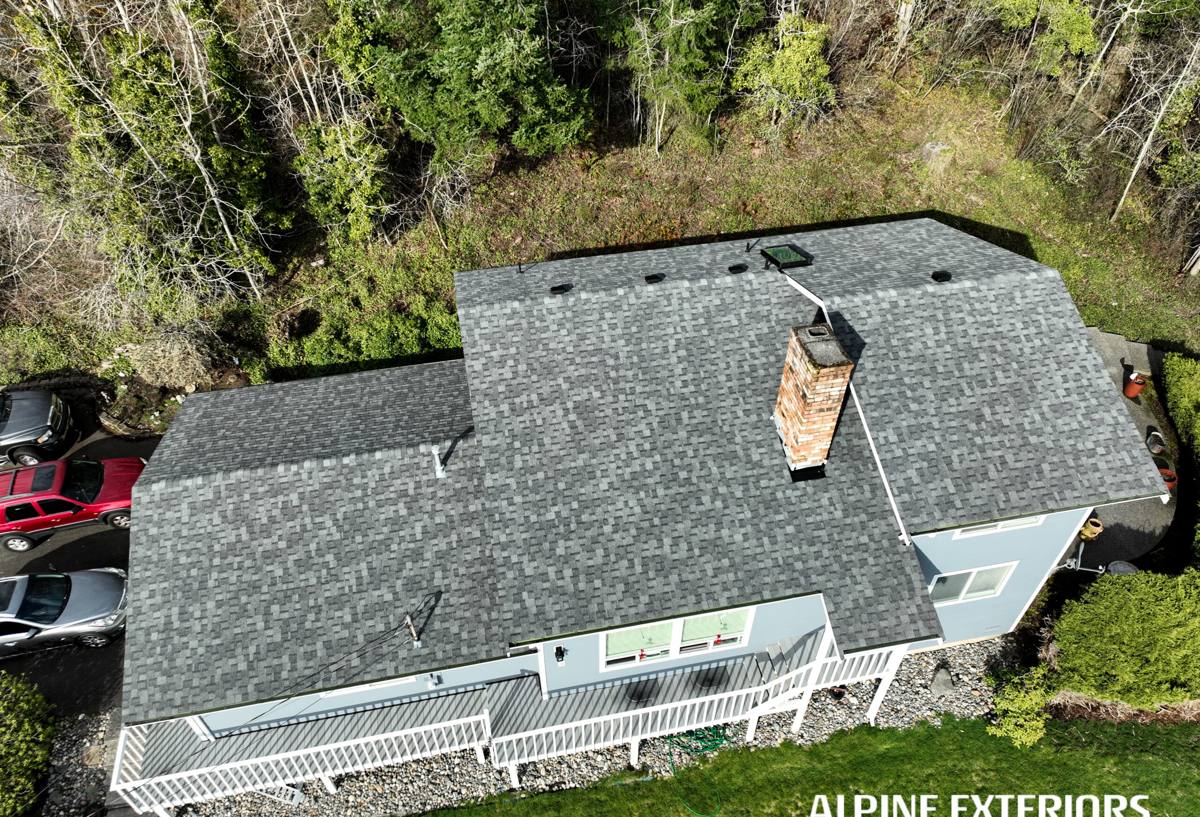
What Sarasota's Climate Actually Demands From a New Roof
Every roof on the Gulf Coast deals with the same four stresses, but they hit a shaded, mature-canopy neighborhood like The Meadows in a slightly different combination:
- Hurricane-force wind: Uplift at eaves, ridges, and rakes is what tears roofs apart in a storm — not the wind pushing straight down. Fastening pattern and edge metal matter as much as the shingle or tile itself.
- Wind-driven rain: In a real Gulf Coast storm, rain doesn't just fall — it's driven sideways and upward under laps and flashing. Underlayment and flashing details do the real work here, more than the surface material.
- Year-round UV: Florida sun breaks down asphalt oils and degrades sealants faster than almost anywhere else in the continental U.S. A roof that would last 25 years up north can lose granules and flexibility noticeably faster here.
- Salt air: Sarasota isn't oceanfront everywhere, but salt-laden air still travels well inland and accelerates corrosion on exposed fasteners, flashing, and metal accessories over time.
Add mature tree cover and you get one more factor: roofs that stay damp longer after rain, which matters for how underlayment and decking are chosen and inspected.
Signs a Meadows Roof Needs Replacement, Not Another Repair
Repairs make sense when a roof has isolated damage and years of service life left. Replacement makes sense once the underlying materials — not just the surface — are compromised. Watch for:
- Granule loss heavy enough that you can see bare asphalt in patches, especially on south- and west-facing slopes
- Curling, cupping, or cracked shingles across multiple areas rather than one isolated spot
- Soft or spongy decking felt underfoot during an inspection, a sign moisture has reached the wood
- Repeated leaks around the same penetration or valley after prior repairs
- Visible sagging along the roofline, which usually points to structural or decking issues, not surface wear
- A roof approaching or past 15–20 years old with no major upgrades to underlayment or ventilation
- Persistent moss, algae streaking, or moisture staining in shaded sections under tree canopy
If a roof is showing two or more of these at once, a patch is usually a short-term answer to a problem that's already spread past the spot you can see.
What a Correct Roof Replacement Actually Involves
Tear-Off and Deck Inspection
We remove the existing roofing down to the deck rather than layering over it. That's the only way to actually see the plywood or OSB underneath — soft spots, rot, or old water staining don't show up until the old material is off. Any damaged decking gets replaced before anything new goes down; skipping this step is one of the most common ways a "new roof" fails early.
Underlayment and Water Barrier
This layer, not the visible shingle or tile, is what actually keeps wind-driven rain out during a storm. We use synthetic or self-adhering underlayment at valleys, eaves, and other vulnerable areas rather than relying on the old-style felt alone, because it holds up better against the wind-driven rain this region sees.
Flashing and Edge Metal
Flashing around chimneys, walls, skylights, and valleys — plus drip edge along the perimeter — is where most leaks actually originate, not in the field of the roof. Correctly lapped, sealed, and fastened flashing is non-negotiable, especially given the salt air's effect on lower-grade metal over time.
Fastening for Wind
Florida Building Code sets minimum fastening schedules based on wind zone, and Sarasota County enforcement of those requirements is not a formality — it's there because it works. We fasten to code as a floor, not a ceiling, particularly at ridges, hips, and rakes where uplift concentrates first.
Ventilation
A roof that can't breathe traps heat and moisture in the attic, which shortens shingle life from underneath and can void warranties. We check and correct intake and exhaust ventilation as part of the replacement, not as an afterthought.
Roofing Material Options for The Meadows
There's no single "best" roofing material — the right choice depends on the home's structure, HOA guidelines, budget, and how long the owner plans to stay in the house. Here's how the common options compare for a shaded, established Sarasota-area neighborhood:
| Material | Typical Lifespan | Wind Performance | Maintenance Under Tree Canopy |
|---|---|---|---|
| Architectural asphalt shingle | 20–30 years | Good, when fastened to current code | Moderate — needs periodic debris and algae attention in shaded areas |
| Concrete or clay tile | 40–50+ years | Very good when properly fastened; individual tiles can crack from falling limbs | Low structural maintenance, but valleys need debris clearing |
| Standing seam metal | 40–60 years | Excellent uplift resistance with proper clips | Low; sheds debris and dries fastest after rain |
We install and stand behind all three where they're appropriate. Where a homeowner asks about lower-cost, thinner alternatives, we'll walk through the honest trade-offs in moisture behavior, installation sensitivity, and warranty structure rather than just quoting a number — a roof is not a place to find out later that the cheaper option had a catch.
What Drives the Cost of a Meadows Reroof
| Factor | Why It Matters |
|---|---|
| Roof size and pitch | Steeper roofs require more labor, safety equipment, and material for the same square footage |
| Number of existing layers | Multiple old layers mean more tear-off labor and disposal before decking is even visible |
| Decking condition | Rotted or soft sections need replacement, which isn't known until tear-off begins |
| Material choice | Shingle, tile, and metal carry very different material and labor costs per square |
| Access and tree canopy | Mature trees close to the roofline can require extra care, protection, or trimming coordination |
| Permit and code requirements | Sarasota County permitting and inspection fees are part of any legitimate reroof |
We give a written, itemized estimate before any work starts, so there's no ambiguity about what's driving the number.
Our Process, Start to Finish
- On-site inspection: We walk the roof and attic, check for soft decking, ventilation issues, and flashing condition, and take photos of anything relevant to the estimate.
- Written estimate: A clear, itemized quote covering material, labor, disposal, and permit costs — no verbal-only pricing.
- Permitting: We pull the required Sarasota County permit and schedule the inspections it requires; this isn't optional and isn't skipped to save time.
- Tear-off and deck repair: Old roofing comes off, decking is inspected, and any compromised sections are replaced before moving forward.
- Underlayment, flashing, and ventilation: Installed to current code minimums as a baseline, with extra attention at valleys and penetrations.
- New roof installation: Shingle, tile, or metal installed per manufacturer specifications and the fastening schedule required for this wind zone.
- Final walkthrough and inspection: We review the finished roof with the homeowner and ensure the county's required inspection is completed and passed.
Permits, Codes, and Community Guidelines
A roof replacement in unincorporated Sarasota County or within city limits requires a permit and inspection — that protects the homeowner as much as it protects us, because it's a documented record that the work met current code. Many established communities like The Meadows also have their own architectural or deed-restriction guidelines covering things like roof color or material appearance. We're glad to work alongside whatever approval process a homeowner's community requires; if there's an architectural review step, we recommend starting it early so it doesn't delay the project once materials are ordered.
Why a Crew That Already Works The Meadows Matters
Roofing crews that only pass through a neighborhood once don't build the same instincts as one that keeps coming back to it. Working in and around The Meadows repeatedly means we already understand how tree canopy affects drying time and debris buildup, what the county inspectors here typically flag, and how to sequence a job so mature landscaping isn't damaged in the process. It also means faster response when a storm is bearing down and a homeowner needs emergency tarping rather than a first-time crew learning the streets while a hurricane watch is in effect.
Local presence also means accountability. If a question comes up two years after the job is done, we're not a name from out of town — we're still working in the same area and stand behind the work we did.
Ready to Talk About Your Roof?
If your roof in The Meadows is showing its age, took storm damage, or you just want an honest opinion on repair versus replacement, we're happy to take a look. Fill out the form below for a free, no-pressure estimate — we'll tell you what we actually see, not just what sells a job.