 Sarasota Siding
 Deck Repair Built for The Meadows' Climate and Landscape
Homes in The Meadows sit under a mature tree canopy with lakes, golf course frontage, and plenty of shaded, humid air that never fully dries out between rain events. That's part of what makes the neighborhood attractive, but it's tough on an exposed wood or composite deck. Add in Sarasota County's intense year-round UV, wind-driven summer storms, and the occasional hurricane-force gust, and a deck here works harder than the same structure would in a drier, cooler climate. Salt-laden air drifting in off the Gulf adds another layer of stress on fasteners and metal connectors, even for homes that aren't waterfront.
We repair decks throughout The Meadows regularly, so we're not guessing at how the local climate affects a structure over five, ten, or twenty years. This page covers what actually goes wrong with decks in this part of Sarasota, what a repair should include if it's going to hold up, and how we approach the work.
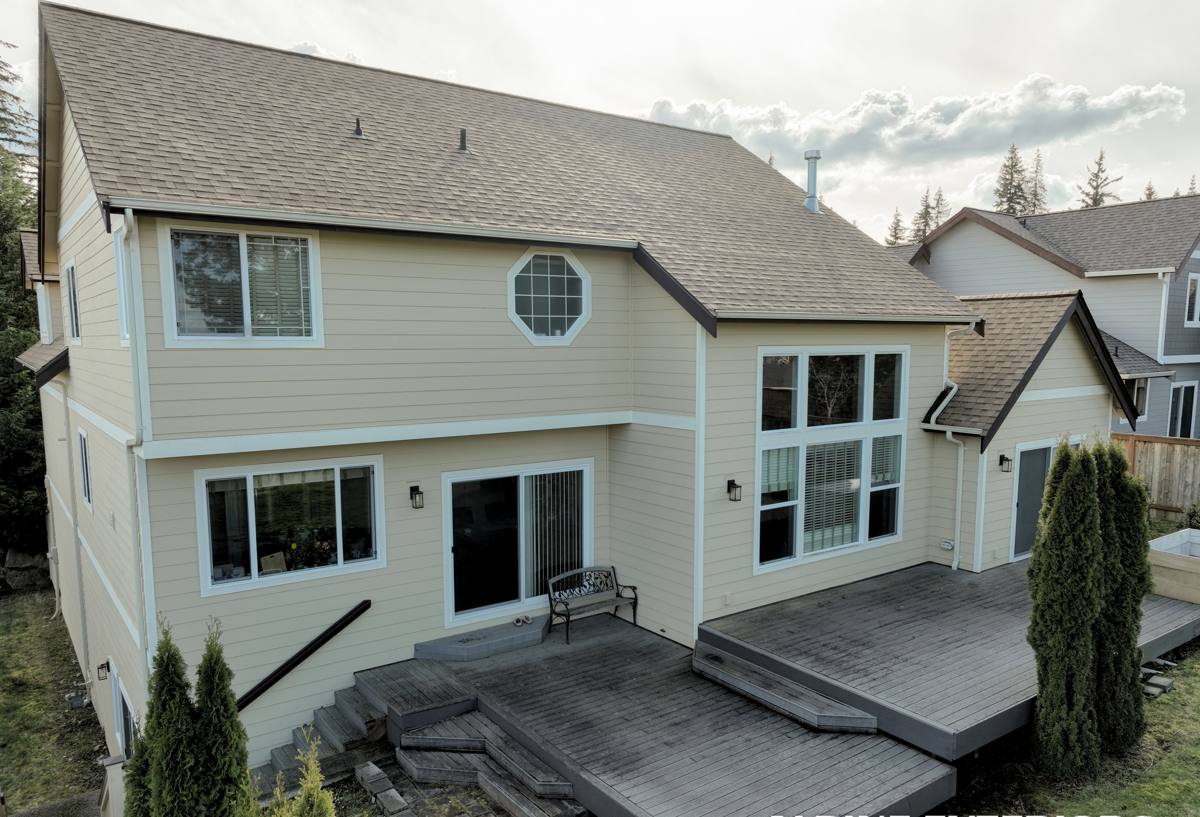
Why Decks in This Neighborhood Wear Differently
Not every deck problem is the same everywhere, and The Meadows has a specific mix of conditions that show up again and again in the repairs we do:
- Shade and moisture retention: The tree canopy that makes the neighborhood pleasant also keeps decking damp longer after rain, which accelerates wood rot and mildew staining compared to decks in full sun.
- Constant UV exposure: Where the canopy breaks and sun hits directly, Florida's UV load fades finishes, dries out wood fibers, and breaks down composite surfaces faster than most homeowners expect.
- Wind-driven rain: Summer storms don't just drop rain straight down here — wind pushes water sideways into ledger boards, under railings, and into any gap where flashing has failed.
- Salt air: Even set back from the water, Sarasota's coastal air carries enough salt to corrode standard fasteners, joist hangers, and screws over time, which is often the real cause of a deck that feels "loose" or springy.
- Lawn and irrigation contact: Sprinkler overspray and mulch beds pushed up against deck posts and skirting keep wood wet at ground contact points, which is one of the most common rot locations we find.
None of these issues are unique to The Meadows, but the combination of heavy shade, mature landscaping, and coastal air means repairs here need to account for moisture and corrosion more than a deck built in a drier inland subdivision.
Signs Your Deck Needs Repair — Not Just a Cosmetic Fix
A lot of deck problems start small and stay hidden under boards or railings until they've spread. Here's what we look for, and what homeowners can check themselves before calling anyone:
- Boards that feel spongy, bounce, or flex more than they used to
- Visible gaps, splitting, or cupping in individual deck boards
- Rust streaks around screws, nails, or metal brackets
- A railing or post that wiggles when pushed firmly by hand
- Soft or discolored wood where posts meet the ground or a concrete footing
- Gaps or separation where the deck ledger board meets the house
- Stair stringers that feel uneven or creak under weight
Any one of these on its own might be a simple, contained repair. Several at once — especially structural ones like a loose ledger or soft posts — usually means the deck needs a more thorough inspection before anyone walks on it again with confidence.
Repair vs. Replace: How We Make That Call
We don't push replacement when a repair will genuinely hold up, and we don't recommend patching something that's structurally compromised. The honest answer usually comes down to what's actually failing: surface-level wear (fading, minor splitting, worn fasteners) is almost always repairable. Structural failure — rotted framing, a failing ledger connection, undersized or corroded footings — often means replacing the affected structural members even if the decking itself looks fine, because a repair that only addresses the surface leaves the real problem in place.
What a Correct Deck Repair Actually Involves
A repair that just swaps out the boards you can see and ignores what's underneath tends to fail again within a season or two, especially in this climate. A repair done right looks at the whole system:
Structural Inspection First
Before any board is replaced, we check the framing: joists, beams, posts, and the ledger board connection to the house. This is where rot and fastener corrosion actually start, even when the surface decking looks fine. Skipping this step is the single most common shortcut that leads to a deck needing repair again in a year or two.
Fastener and Hardware Condition
Given the salt air and humidity in this area, we pay close attention to joist hangers, structural screws, and connector hardware — not just the decking screws you can see from above. Corroded or undersized hardware is a frequent hidden cause of a deck that feels unstable even when the boards themselves are in decent shape.
Moisture Path and Ventilation
Rot rarely happens because wood simply gets wet — it happens because wood stays wet with nowhere to dry out. Part of a proper repair is making sure water has somewhere to go: proper flashing at the ledger, adequate airflow under the deck, and gaps between boards that let water drain instead of pool.
Railing and Stair Safety
Railings and stairs take repeated stress from daily use and are also where most fall-related injuries happen on a compromised deck. We treat loose railings and unstable stair stringers as priority repairs, not cosmetic afterthoughts.
Repairing Wood vs. Composite Decks
The Meadows has a mix of both wood and composite decking, and the right repair approach depends on which one you have.
| Factor | Wood Decking | Composite Decking |
|---|---|---|
| Common failure point | Rot, splitting, and fastener pull-through, especially in shaded areas | Fading, surface flaking on older boards, and expansion/contraction at fasteners |
| Repair approach | Replace individual damaged boards; sand and refinish salvageable areas | Match board profile and color as closely as possible; hidden fastener systems require compatible clips |
| Structural framing | Same wood framing underneath regardless of surface material — inspected the same way | Same wood framing underneath regardless of surface material — inspected the same way |
| Long-term maintenance | Needs periodic sealing or staining to keep UV and moisture out | Lower maintenance surface, but hardware and framing still need periodic checks |
| Repair timeline sensitivity | Rot spreads faster in humid, shaded spots — earlier repair matters more | Surface issues progress more slowly, but hidden framing rot is not visible from above either way |
One important point regardless of decking material: the framing underneath is almost always wood, even on a composite deck. So while composite boards themselves resist rot better than wood decking, the structure holding them up doesn't get that same benefit — which is why we inspect framing on every repair, not just the visible surface.
Our Deck Repair Process
- On-site assessment: We walk the full deck, check framing accessible from underneath, test railings and stairs, and identify both visible and hidden issues.
- Honest scope and estimate: You get a clear explanation of what needs repair, what's optional, and what we'd recommend prioritizing if budget is a factor — with a written estimate before any work starts.
- Structural repairs first: Framing, posts, footings, and ledger connections get addressed before any cosmetic work, since everything else attaches to that structure.
- Board, railing, and hardware repair or replacement: Matching decking material and profile as closely as possible, with corrosion-resistant fasteners appropriate for this coastal climate.
- Final walkthrough: We check the deck is solid underfoot, railings are secure, and nothing was missed before we consider the job done.
Permits and Local Building Requirements
Structural deck repairs — particularly anything involving framing, footings, or railing height and spacing — can fall under Sarasota County permitting requirements and the Florida Building Code's wind load provisions. Purely cosmetic work, like replacing a handful of worn boards without touching the structure, typically doesn't require a permit, but the line isn't always obvious to a homeowner. We handle that determination as part of the estimate process so you're not left guessing whether a repair needs to be inspected or filed with the county.
If your property is part of an HOA, as many homes in The Meadows are, there may also be architectural review requirements for visible changes like railing style or decking color. We can work within those guidelines as part of the project.
Keeping a Repaired Deck in Good Shape
A repair is only as good as the maintenance that follows it. A few habits make a real difference in how long a deck repair lasts in this climate:
- Sweep off leaves and debris regularly — trapped organic material holds moisture against boards
- Redirect sprinkler heads so they're not hitting posts, skirting, or the underside of the deck
- Trim back landscaping that keeps deck sections in constant shade and dampness
- Check railings and stair connections by hand a few times a year for looseness
- Reseal or restain wood decking on the schedule appropriate for the product used
- Look underneath the deck occasionally, not just at the walking surface, for early signs of rot or rust
Why Local Experience in The Meadows Matters
A contractor who already works in this neighborhood knows the shaded, humid conditions the tree canopy creates, understands the coastal air's effect on hardware, and is familiar with the permitting and HOA review process homeowners here deal with. That means fewer surprises during the estimate, a repair scope that accounts for conditions specific to this property type, and less back-and-forth getting a project approved. It also means we're not learning Sarasota County's requirements on your project — we already know them.
If your deck in The Meadows has a soft spot, a loose railing, or just doesn't feel as solid as it used to, we're happy to take a look and give you a straightforward, no-pressure estimate — no obligation, just an honest assessment of what it needs.