 Sarasota Siding
 Asphalt Shingle Roofing Built for The Meadows
The Meadows sits inland from the coast, but "inland" in Sarasota County doesn't mean sheltered. Homes here still take the full brunt of Gulf Coast weather: hurricane-force wind gusts during storm season, intense UV exposure nearly every day of the year, wind-driven rain that finds every weak seam in a roof system, and salt-laden air that corrodes metal components faster than most homeowners expect. Asphalt shingle roofing remains one of the most practical, cost-effective choices for this climate when it's specified and installed correctly. The problem is that "correctly" is doing a lot of work in that sentence — and a lot of roofs in this area were not installed with Sarasota's specific conditions in mind.
This page covers what a shingle roof actually needs to hold up in The Meadows, what a proper installation involves, and how we approach the job for homeowners in this neighborhood.
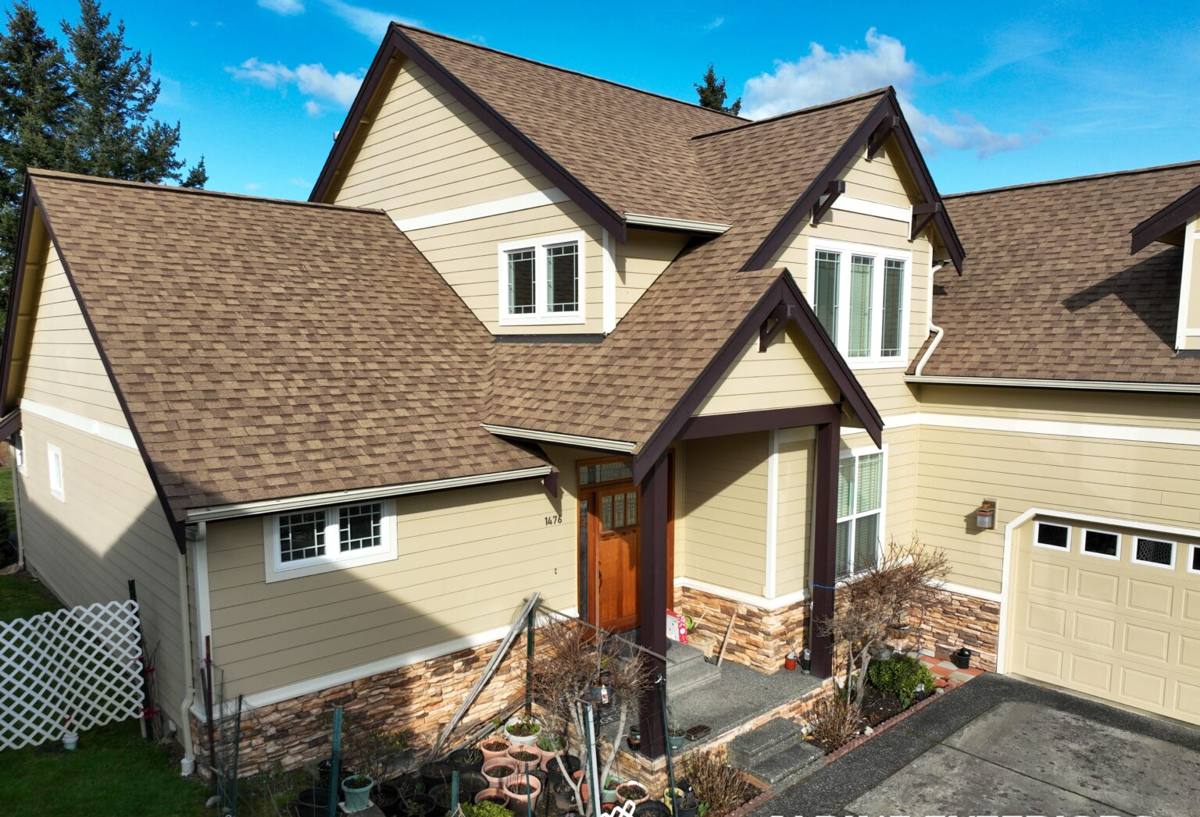
Why The Meadows' Climate Is Harder on Shingles Than It Looks
The Meadows' tree canopy and inland location can create a false sense of security. Trees provide some wind buffering, but they also drop debris, hold moisture against the roof surface longer after rain, and contribute to granule loss over time from limb contact and abrasion. Meanwhile, the same sun that makes Sarasota a great place to live is steadily breaking down asphalt shingles from above.
The four forces at work
- Wind uplift: Hurricane-force gusts don't just push on a roof — they create negative pressure that pulls shingles upward at edges, ridges, and rakes, which is exactly where poor installations fail first.
- UV degradation: Year-round sun exposure dries out asphalt oils and breaks down granule adhesion, which is what eventually leads to cracking, curling, and reduced wind resistance in aging shingles.
- Wind-driven rain: Rain that comes in sideways during a storm doesn't behave like rain falling straight down — it tests underlayment, flashing, and fastening in ways that calm-weather rain never will.
- Salt air corrosion: Even a few miles inland, salt carried on Gulf breezes accelerates corrosion of nails, vent boots, flashing, and other metal roof components.
None of these forces alone destroys a roof quickly. It's the combination, repeated year after year, that separates a shingle roof that lasts its full rated lifespan from one that starts failing early.
What a Correct Shingle Roof Job Actually Involves
A shingle roof is a system, not a single product. The shingles themselves get the attention, but the components underneath and around them do most of the work of keeping a home dry and intact during a storm.
The layers that matter
- Deck inspection and repair: Any soft, delaminated, or water-damaged decking gets identified and replaced before anything else goes down — shingles installed over a compromised deck will fail regardless of quality.
- Underlayment: A synthetic or self-adhering underlayment provides the secondary water barrier that protects the home if wind-driven rain gets past the shingles themselves, which happens even on well-installed roofs during severe storms.
- Ice-and-water or self-adhering membrane at vulnerable points: Valleys, eaves, and roof penetrations get extra protection where water is most likely to pool or be forced upward.
- Starter strip and drip edge: These get skipped or done poorly more often than any other component, and they're critical for wind resistance at the roof's edges — exactly where uplift starts.
- Field shingles, correctly nailed: Nail placement, nail count, and nail gun pressure all affect wind rating. A shingle rated for high wind speeds only performs to that rating if it's fastened according to the manufacturer's specification, not just "close enough."
- Flashing at every penetration and wall intersection: Chimneys, skylights, plumbing vents, and roof-to-wall transitions are where most leaks originate, not the open field of the roof.
- Ridge cap and ventilation: Proper attic ventilation extends shingle life by reducing heat buildup and moisture accumulation underneath the roof deck.
Choosing the Right Shingle for This Neighborhood
Not every asphalt shingle product is built for coastal Florida conditions, and the difference matters more here than in milder climates. We generally steer homeowners in The Meadows toward shingles with a high wind rating and algae-resistant granules, since humidity and shade from mature trees can both contribute to streaking and biological growth over time.
| Shingle Type | Typical Wind Rating | Best Fit For | Trade-Offs |
|---|---|---|---|
| 3-tab asphalt | Lower end of rated range | Budget-conscious projects, secondary structures | Lower wind resistance, shorter service life, less impact resistance |
| Architectural (laminated) asphalt | Mid-to-high range | Most primary residences in The Meadows | Higher upfront cost than 3-tab, but better wind and weather performance |
| Impact-resistant architectural | High end of rated range | Homes wanting maximum storm resilience, potential insurance credit | Highest material cost; insurance discount eligibility varies by carrier |
We'll walk through the realistic differences for your specific roof rather than defaulting to whatever is cheapest or whatever has the flashiest marketing. The right answer depends on your roof's pitch, exposure, tree coverage, and how long you plan to stay in the home.
How Our Process Works
1. On-site inspection and honest assessment
We start by getting on the roof, not just looking at it from the ground. We check deck condition, existing flashing, ventilation, and any signs of past leaks or storm damage. If your roof genuinely doesn't need full replacement yet, we'll tell you that.
2. Written scope and product selection
You get a clear, itemized scope of work — what's being replaced, what underlayment and flashing systems are specified, and what shingle product we're recommending and why. No vague line items.
3. Permitting and code compliance
Sarasota County has specific wind-load and building code requirements for roofing work, and permitted work protects you if there's ever an insurance claim or a future home sale. We handle the permitting process as part of the job.
4. Tear-off, deck repair, and installation
Full tear-off lets us actually inspect and repair the deck rather than covering up unknown problems. Installation follows manufacturer specification for nailing pattern and fastener count, not a shortcut version.
5. Cleanup and final walkthrough
Magnetic sweeps for stray nails, debris removal, and a walkthrough so you understand what was done and what warranty coverage applies.
Signs Your Roof in The Meadows Needs Attention
Shingle roofs rarely fail all at once — there are usually warning signs first. Homeowners who catch these early typically face repair costs instead of full replacement costs.
- Granules collecting in gutters or at downspout discharge points
- Shingles that appear curled, cupped, or lifted at the edges
- Visible cracking across the shingle surface, especially on south- and west-facing slopes
- Dark streaking or discoloration, which is often algae growth rather than dirt
- Missing shingles or exposed fastener heads after a storm
- Soft spots underfoot if you're able to safely observe the roof from a ladder
- Water stains on interior ceilings, especially near chimneys, skylights, or exterior walls
- Visible daylight through the attic decking
If you notice any of these, it's worth having a roof looked at before the next storm season rather than after damage has already occurred.
Maintenance That Actually Extends Shingle Life Here
A correctly installed shingle roof still benefits from routine attention in a climate like this one. Regular gutter cleaning prevents water from backing up under the shingle edge. Keeping tree limbs trimmed back reduces abrasion and debris accumulation, which matters more in a tree-heavy neighborhood like The Meadows than in more open subdivisions. A post-storm visual check after any significant wind event can catch lifted shingles or damaged flashing before a small problem becomes a ceiling leak. And having a roof inspected periodically, rather than waiting for a visible problem, is generally the cheapest way to manage a roof's lifespan.
Why Local Experience in The Meadows Matters
A crew that regularly works in this neighborhood understands things a roofer unfamiliar with the area might miss: the tree coverage patterns that affect debris and moisture exposure, the specific wind exposure differences between homes closer to open areas versus more sheltered lots, and the county's permitting and inspection expectations. That familiarity translates into fewer surprises during the job and a roof system specified for the conditions it will actually face, not a generic installation dropped into a hurricane-prone county.
We also stand behind our work with clear warranty terms on both materials and labor, so you know what's covered and for how long — not vague assurances.
Cost Factors to Expect
Every roof is different, so we don't quote sight-unseen pricing on the website, but these are the main factors that drive cost on a shingle roofing project in this area:
| Factor | Why It Affects Cost |
|---|---|
| Roof size and pitch | More surface area and steeper pitches increase material and labor time |
| Deck condition | Rotted or delaminated decking requires replacement before shingles go down |
| Shingle product tier | Impact-resistant and high-wind-rated products cost more than standard architectural shingles |
| Number of penetrations | More chimneys, skylights, and vents mean more flashing labor |
| Layers of existing roofing | Multiple layers requiring removal add to tear-off time and disposal cost |
| Access and layout complexity | Multiple roof planes, valleys, and dormers increase installation time |
We'll give you a specific, itemized number after seeing the actual roof — not a rough guess that changes once we're on-site.
Get an Honest Look at Your Roof
Whether your shingle roof in The Meadows needs a repair, an inspection, or a full replacement, we'll give you a straightforward assessment of what it actually needs — no pressure, no upsell on work that isn't necessary. Request a free estimate below and we'll get you a clear picture of your roof's condition and your options.