 Sarasota Siding
 Why Bee Ridge Roofs Wear Out Faster Than the National Average
Bee Ridge sits inland from the coast but still lives under the same Gulf Coast weather pattern that wears down every roof in Sarasota County: long stretches of intense UV, sudden tropical downpours, and the real possibility of hurricane-force wind gusts during storm season. None of that is unique to any one street or subdivision in the area, but it does mean that a roof built to a generic national standard, or installed by a crew that mostly works cooler, drier climates, tends to underperform here.
Asphalt shingles lose their granules and flexibility faster under constant Florida sun. Underlayment that isn't rated for our humidity can trap moisture instead of shedding it. Flashing details that would be fine in a mild climate open up small gaps that wind-driven rain finds during the next storm. Over years, that adds up to soft decking, granule loss, curling shingles, and leaks that show up well before a roof's rated lifespan is over.
A correct replacement accounts for all of this from the start — not as an upsell, but as the baseline standard for a roof that's actually going to hold up in Sarasota County.
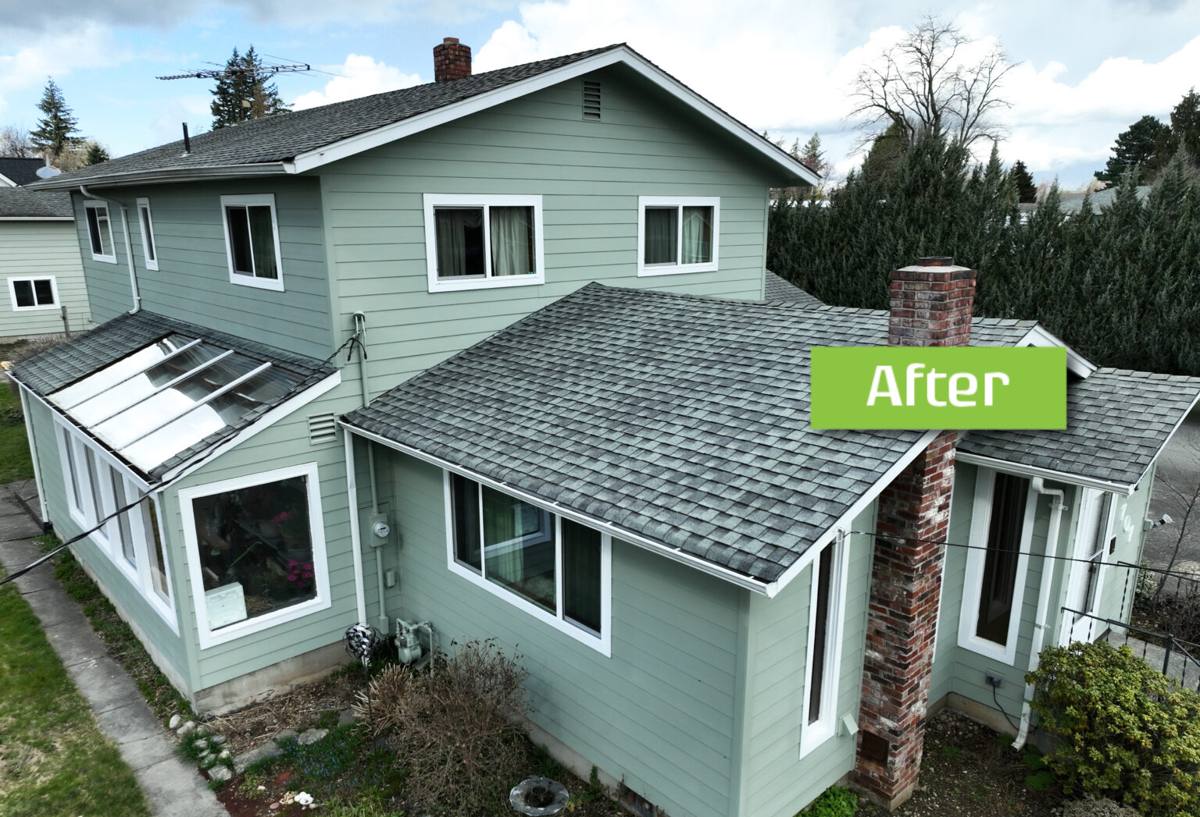
Signs a Bee Ridge Home Needs Replacement, Not Another Repair
Not every roof problem calls for a full replacement, and we'll tell you plainly when a repair is the right call. But there's a point where patching becomes more expensive over time than doing the job right once. Common signs we look for on inspections in this area include:
- Shingles that are curling, cracking, or missing granules across large areas rather than one isolated spot
- Soft or spongy decking underfoot, usually a sign moisture has been getting into the roof deck for a while
- Repeated leaks in different locations after storms, rather than one recurring spot
- Visible daylight through the attic decking, or staining on attic insulation and rafters
- A roof that's approaching or past the manufacturer's rated service life, especially if it's never been fully inspected after a major storm
- Multiple past repairs that haven't resolved the underlying leak
If your roof shows one or two of these, a targeted repair might buy you real time. If it shows several, replacement is usually the more cost-effective path, since a patchwork roof rarely performs as a system the way a properly installed new one does.
What a Correct Roof Replacement Actually Involves
It Starts Below the Shingles
The visible roofing material gets most of the attention, but the layers underneath do most of the work protecting your home. A proper tear-off removes the old roofing down to the deck so we can actually see the plywood or OSB underneath — not just cover over hidden rot or soft spots. Any damaged decking gets replaced before anything new goes down, because no underlayment or shingle can compensate for a compromised deck.
Underlayment and Water Barriers
In a climate with wind-driven rain, the underlayment matters as much as the shingle itself. We use synthetic or self-adhering underlayment systems suited to our humidity and storm exposure, with extra attention to valleys, eaves, and any low-slope transitions where water tends to find its way in.
Flashing and Penetrations
Chimneys, vents, skylights, and wall-to-roof transitions are where most leaks actually start — not in the open field of the roof. Correct flashing at every penetration, properly integrated with the underlayment and shingle courses, is not optional detail work; it's the difference between a roof that sheds water and one that eventually doesn't.
Ventilation
Florida attics take on serious heat, and a roof system that can't breathe traps that heat and moisture against the underside of the deck. Balanced intake and exhaust ventilation extends shingle life, reduces attic temperatures, and helps prevent moisture problems that shorten a roof's life regardless of material quality.
Wind-Rated Installation
Fastening patterns, nail placement, and material wind ratings all have to meet the requirements of the Florida Building Code for our wind zone. This isn't just a compliance checkbox — it's the actual difference between shingles that stay put in a tropical storm and ones that don't.
Comparing Roofing Materials for a Bee Ridge Home
There's no single "best" roofing material for every home — it depends on your budget, your home's structure, your HOA rules if you have one, and how long you plan to stay in the home. Here's an honest comparison of the options most Bee Ridge homeowners weigh:
| Material | Typical Lifespan Here | Wind & Storm Performance | Maintenance | Relative Cost |
|---|---|---|---|---|
| Architectural asphalt shingle | 18–25 years | Good with proper wind-rated installation | Low | Lowest upfront |
| 3-tab asphalt shingle | 15–18 years | Lower wind resistance than architectural | Low | Lowest of all options |
| Metal (standing seam) | 40–50+ years | Excellent wind and impact resistance | Very low | Higher upfront |
| Concrete or clay tile | 40–50+ years | Very good when properly fastened; individual tiles can crack from impact | Moderate (occasional tile replacement) | Highest upfront |
Architectural shingles remain the most common choice in the area because they balance upfront cost with solid storm performance, provided the installation itself is done correctly. Metal and tile cost more initially but can make sense for homeowners planning to stay long-term or looking to reduce future maintenance and replacement cycles.
Our Roof Replacement Process
- Inspection and honest assessment. We walk the roof and attic, document existing conditions, and tell you plainly whether replacement is actually the right call.
- Written estimate. A clear, itemized quote covering materials, labor, and any decking repair contingencies — no vague allowances.
- Permitting. Roof replacements in Sarasota County require a permit and inspection. We handle the permitting process so the job is documented and code-compliant, which also matters for insurance and future resale.
- Tear-off and deck inspection. Old roofing is removed and the deck is inspected in daylight, not assumed to be fine underneath.
- Underlayment, flashing, and material installation. Installed in the sequence and fastening pattern the manufacturer and building code require, not shortcuts to save time.
- Cleanup and magnetic sweep. Job site and yard cleared of debris and stray nails before we consider the job finished.
- Final inspection and paperwork. County inspection sign-off plus any documentation you'll want for insurance or a wind mitigation form.
Permits, Wind Mitigation, and Insurance
A permitted, code-compliant roof replacement isn't just a legal requirement — it directly affects your homeowners insurance. Many Florida insurers offer premium credits for wind mitigation features like proper roof-to-wall connections, secondary water barriers, and wind-rated materials, but only if the work is documented correctly. An unpermitted roof, or one installed without attention to these details, can complicate a claim after a storm or cause problems when you go to sell the home. We provide the documentation homeowners need for wind mitigation inspections and insurance purposes as a normal part of the job, not an add-on.
What to Ask Before Hiring a Roofer in Sarasota County
Roofing work draws its share of storm-chasing outfits that show up after bad weather and disappear once the check clears. A few questions separate a legitimate local contractor from a risk:
- Are you licensed to work in Florida, and can you provide your license number?
- Do you carry general liability and workers' compensation insurance, and can you provide certificates?
- Will you pull the permit yourself, or expect the homeowner to do it?
- Do you have a physical local address and an established presence in the Sarasota area, not just a phone number?
- What manufacturer warranty applies, and does it require certified installation to stay valid?
- Will the estimate be in writing, itemized, with no vague "and more" line items?
If a contractor is vague on any of these, treat it as a signal to keep looking.
Why Local Experience in Bee Ridge Matters
A roofing crew that regularly works in and around Sarasota County understands the practical realities that don't show up in a general training manual: how quickly an afternoon storm can roll in and how that affects scheduling and staging materials, which permitting steps the county actually requires, and what wind and moisture exposure looks like on homes built across different decades in this part of Florida. That local familiarity shows up in fewer surprises during the job and a roof system that's actually built for the conditions it has to survive here, not just the conditions it was designed for on paper.
Get a Free, No-Pressure Estimate
If your Bee Ridge home's roof is showing its age, or you just want an honest read on how much life it has left, we're glad to take a look. Use the form below to request a free estimate — no pressure, no obligation, just a straight assessment of what your roof needs.