 Sarasota Siding
 Roof Repair Built for Bee Ridge Homes
Bee Ridge sits inland from the coast but still takes the full brunt of what Sarasota County weather delivers each year: long summer stretches of intense UV, sudden afternoon downpours, and the wind and rain that come with tropical systems moving through the Gulf. Roofs here don't fail because of one bad storm — they fail from years of small, unaddressed damage that finally catches up with the structure underneath. Our job is to catch that damage early, repair it correctly, and be honest with you about whether a repair is really the right call or if you're better off planning for a replacement down the line.
This page covers roof repair specifically — not full re-roofs — for homeowners in and around Bee Ridge. Whether you've got a slow leak that's stained a ceiling, storm-lifted shingles, or a flashing detail that's been letting water in for longer than you realized, this is what we look at, what we fix, and how we do it.
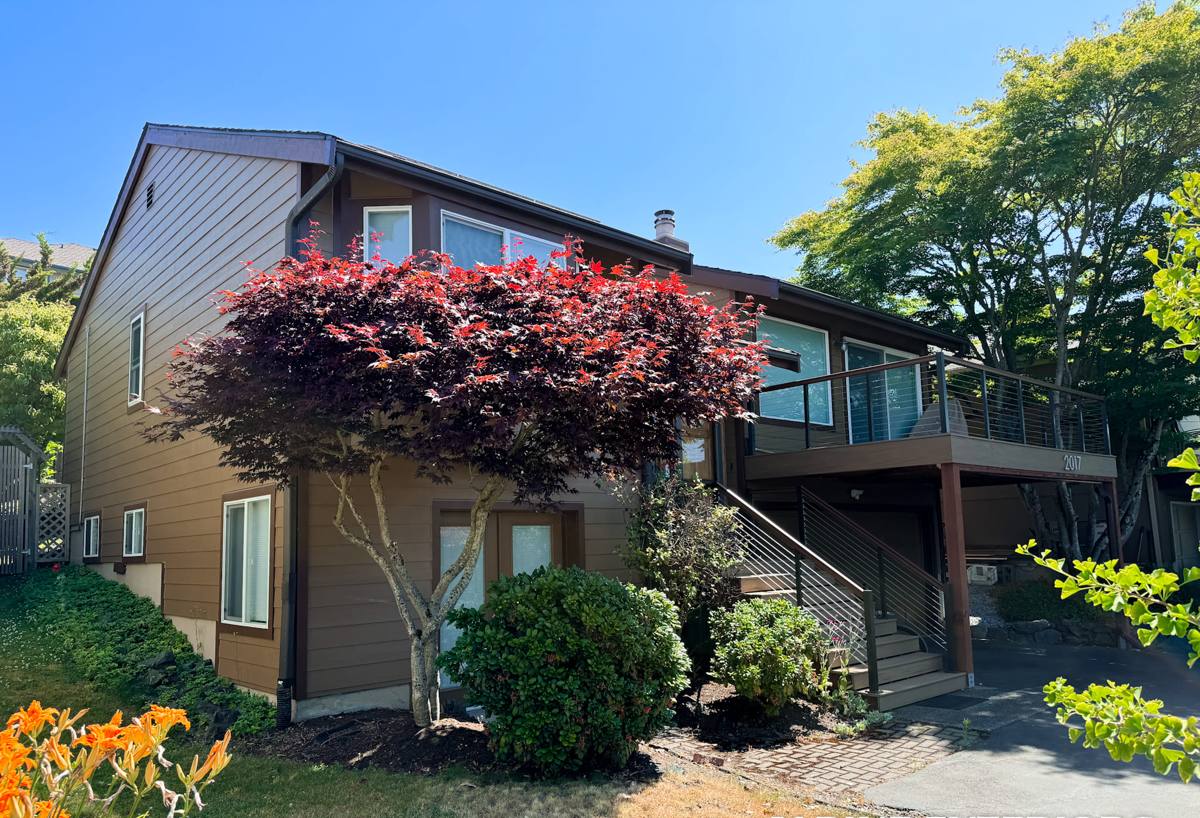
What Sarasota's Climate Does to a Roof Over Time
Every roofing material eventually shows the effects of Florida's climate, but the pattern of failure is fairly predictable if you know what to look for.
UV Exposure
Year-round sun breaks down asphalt shingle granules, dries out sealant strips, and makes underlayment brittle faster than it would in a milder climate. Once granules wear off in patches, that section of roof ages faster than the rest — which is why roofs often fail unevenly, with one slope or section going bad well before the others.
Wind-Driven Rain
Straight-down rain rarely causes leaks on a roof in good condition. Wind-driven rain is different — it gets pushed sideways and upward under shingle edges, around flashing, and into any gap that wouldn't normally see water. This is the most common reason a roof that "looked fine" suddenly leaks during a storm.
Hurricane-Force Wind Events
Even when a storm doesn't cause visible damage, high winds can loosen shingle tabs, stress fasteners, and lift flashing edges just enough to create a future leak path. The damage isn't always obvious from the ground, which is why post-storm inspections matter even after "near miss" events.
Salt Air
Bee Ridge isn't beachfront, but Sarasota's proximity to the Gulf means salt-laden air still reaches inland neighborhoods, especially during onshore wind patterns. Salt accelerates corrosion on exposed metal fasteners, flashing, and vent stacks — components that are easy to overlook but are often where a leak actually starts.
Common Roof Repair Issues We See in Bee Ridge
- Cracked or lifted shingle tabs from UV brittleness or wind stress, especially on south- and west-facing slopes that take the most direct sun.
- Failed flashing around chimneys, skylights, and roof-to-wall transitions — often the actual source of a leak that homeowners assume is coming from somewhere else.
- Deteriorated pipe boot seals where plumbing vents penetrate the roof; the rubber component ages faster than the surrounding shingles and is a frequent leak point.
- Clogged or damaged valleys where two roof slopes meet, collecting debris and channeling heavy water flow during storms.
- Nail pops and fastener corrosion, particularly on older roofs where original fasteners weren't rated for long-term coastal-adjacent exposure.
- Soft or spongy decking under shingles, a sign that water has been getting into the wood substrate for some time, not just the surface layer.
How We Diagnose a Roof Leak Correctly
The biggest mistake in roof repair isn't a bad patch — it's patching the wrong spot. Water travels along the underlayment and decking before it shows up as a stain on your ceiling, so the visible damage inside your home is often several feet away from where the water actually entered the roof.
Our process starts with a full roof walk, not just a look from the ground. We check flashing, penetrations, valleys, and shingle condition across the whole roof, then trace interior damage back to its actual source. If there's attic access, we inspect the underside of the decking too, since that's often where the clearest evidence of a leak's path and duration shows up.
We also document what we find with photos before any repair begins, so you know exactly what was wrong and what we did about it — not just a verbal summary after the fact.
What a Correct Roof Repair Involves
A proper repair goes beyond sealing the spot where water is currently getting in. It addresses the underlying cause so the same failure doesn't reappear a season later.
For Shingle Damage
Damaged or missing shingles are removed and replaced with matching material, with attention to proper nail placement and sealant activation — a shingle that isn't sealed correctly can lift again in the next windstorm even if it looks fine the day it's installed.
For Flashing Failures
Flashing repair often means removing and resetting the flashing rather than just caulking over a gap. Caulk is a short-term fix; correctly lapped and fastened flashing is what actually sheds water long-term.
For Underlayment and Decking Damage
If water has reached the decking, the affected shingles and underlayment are pulled back so we can assess the wood underneath. Soft or rotted decking gets replaced before anything is re-covered — shingling over compromised decking just hides a structural problem.
For Storm Damage
After named storms or significant wind events, we look for the less obvious signs: lifted tabs that have re-sealed slightly out of place, granule loss patterns, and stress around fasteners — not just missing shingles.
Repair vs. Replacement: An Honest Assessment
Not every roof problem needs a full replacement, and not every leak can be permanently solved with a patch. We'll tell you plainly which category your roof falls into.
| Factor | Repair Usually Makes Sense | Replacement Should Be Considered |
|---|---|---|
| Roof age | Under 15 years, isolated issue | Approaching or past expected lifespan, multiple problem areas |
| Damage extent | Localized to one section or detail | Widespread granule loss, multiple leak points |
| Decking condition | Solid, no soft spots found | Soft, rotted, or repeatedly repaired decking |
| Leak history | First occurrence, clear single cause | Recurring leaks in different areas over time |
| Insurance/storm claim | Minor, documented isolated damage | Significant wind or impact damage affecting large areas |
We won't recommend a full replacement when a repair will genuinely hold up, and we won't sell you a series of patch jobs on a roof that's clearly past the point of cost-effective repair. Either way, you'll get a straight answer and the reasoning behind it.
Our Roof Repair Process
- Inspection and diagnosis — full roof walk, interior tracing, and photo documentation.
- Written scope and estimate — a clear explanation of what's wrong, what we'll do, and why.
- Repair work — matching materials, correct fastening and sealing methods, decking replacement if needed.
- Cleanup — old materials and debris removed from your property, including magnetic sweep for stray nails.
- Final walkthrough — we show you the completed repair and answer any questions before we consider the job done.
Why a Crew That Already Works Bee Ridge Matters
Roof repair isn't just about technique — it's about knowing what's realistic for the area. A contractor who regularly works in and around Bee Ridge and greater Sarasota County has a working sense of which roof ages and material types in this area tend to show wear first, how local permitting works, and what corners tend to get cut on older repairs that we end up correcting later. That familiarity translates into faster, more accurate diagnosis and fewer surprises once work begins.
It also means being available and accountable locally — not a crew that did one job in the area and moved on. If a repair needs a follow-up check after the next storm season, we're still local to come back and look.
Signs You Shouldn't Ignore
- A ceiling stain that appears or grows after heavy rain, even if it dries out afterward.
- Granules collecting in gutters or at downspout outlets in noticeably larger amounts than before.
- Visible daylight through the attic decking or roof boards.
- Shingle tabs that look slightly lifted or curled at the edges, especially after a windy day.
- A musty smell in the attic or top floor that wasn't there before.
- Missing or damaged shingles after any storm, even a minor one.
None of these guarantee a major problem, but all of them are worth a proper look before the next storm system moves through.
If you're seeing any of these signs on your Bee Ridge home, or just want a professional opinion before storm season puts it to the test, we're happy to take a look. Fill out the form below for a free, no-pressure estimate — we'll tell you honestly what we find and what it would take to fix it right.