 Sarasota Siding
 Deck Repair for Rosemary District's Close-In Sarasota Homes
Rosemary District sits just north of downtown Sarasota, and it's a neighborhood in transition — long-time bungalows and cottages sharing blocks with newer townhomes and condo construction, mature tree canopy in some pockets, open sun exposure in others. Decks in this area take a beating from every direction: intense Gulf Coast sun overhead, wind-driven rain off passing storms, and salt-laden air drifting in from the bay and the coastline just a few miles away. A deck that was built solid ten or fifteen years ago in this part of Sarasota County is very likely due for a real inspection, not just a coat of stain.
This page is about deck repair specifically — not new deck builds — for homeowners in and around Rosemary District who have a deck that's aging, showing damage, or starting to feel less solid underfoot than it used to.
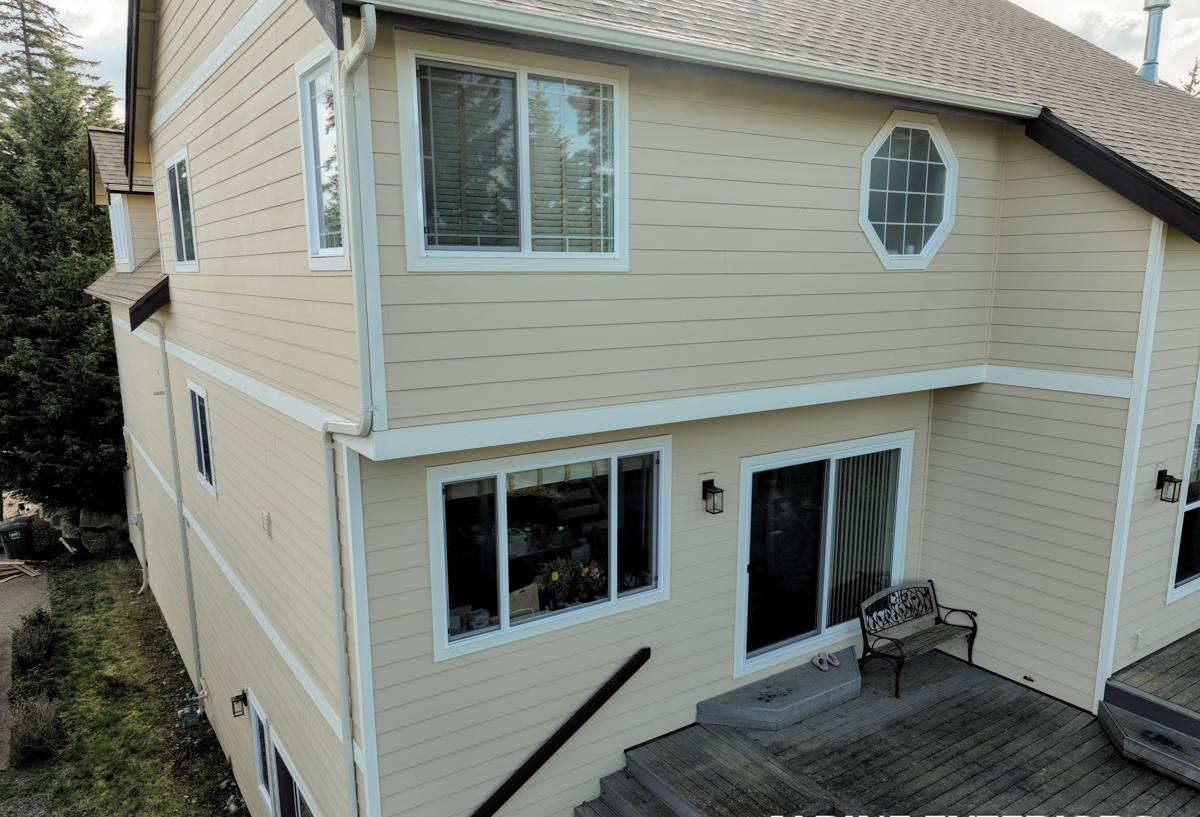
What Sarasota's Climate Actually Does to a Deck
Sun and UV
Florida sun is relentless on horizontal wood surfaces. UV breaks down the lignin in wood fibers, which is why untreated or unsealed decking grays, splinters, and gets brittle years before it structurally fails. Composite decking resists UV fading better than wood, but early-generation composite products and cheaper synthetic boards can still chalk, fade unevenly, or develop surface cracking under years of direct Florida sun.
Wind-Driven Rain and Humidity
It's rarely rain falling straight down that causes the worst damage — it's wind-driven rain pushed sideways into ledger boards, stair stringers, and the gaps where decking meets the house. Combined with Sarasota's year-round humidity, that moisture doesn't dry out quickly. It gets trapped against fasteners, framing, and the ledger-to-house connection, which is the single most common place we find rot on older decks.
Salt Air and Corrosion
Rosemary District isn't beachfront, but it's close enough to the bay and the Gulf that salt-laden air still accelerates corrosion on anything metal — nails, screws, joist hangers, bolts, and railing hardware. Once a fastener starts to corrode, it loses holding strength long before it looks obviously rusted through, which is part of why a visual-only deck check can miss real problems.
Wind Load From Storms
Hurricane-force wind events put lateral and uplift loads on a deck structure that most decks were never really tested against until a storm hits. Loose ledger connections, undersized post footings, and missing structural connectors (hurricane ties, proper joist hangers) are the kind of shortcuts that don't show up until wind gets underneath the deck or racks it sideways.
Common Deck Problems We Find in This Neighborhood
Given the mix of older housing stock and newer builds in Rosemary District, we see a pretty wide range of issues, but a handful come up again and again:
- Soft or spongy decking boards, usually near the perimeter or anywhere water pools
- Rot at the ledger board where the deck attaches to the house — often hidden until you probe it
- Wobbly or leaning railings and guardrails, sometimes a genuine safety issue
- Corroded or failing fasteners, joist hangers, and post connectors
- Cracked, split, or heaving posts and footings from ground movement or water intrusion
- Loose stair stringers or treads that have pulled away from their connections
- Gaps or improper flashing where the deck meets siding or stucco, letting water behind the wall
Repair vs. Replace: How We Make the Call
Not every deck problem means starting over, and not every deck is worth patching. We look at the structural frame first, because that's what actually determines whether repair makes sense. Cosmetic wear on decking boards is a much smaller decision than rot in the framing underneath.
| Condition Found | Usually Means | Typical Approach |
|---|---|---|
| Faded, splintering surface boards, frame is solid | Surface wear from UV and weather | Board replacement or resurfacing |
| Soft spots in a few boards, no framing rot | Localized water damage | Spot repair of affected boards |
| Rot at the ledger board | Chronic moisture at the house connection | Ledger repair or replacement, re-flash the connection |
| Widespread frame rot, multiple failed posts | Long-term neglect or original build issues | Partial or full structural rebuild |
| Loose railings only, frame and decking sound | Hardware fatigue or original under-building | Railing repair or rebuild to current code |
The honest answer is that we won't know which category your deck falls into until someone gets underneath it and checks the framing directly — that's the first thing we do on any repair visit.
What a Correct Deck Repair Actually Involves
Structural Inspection First
Before any board gets pulled or replaced, we check the framing: joists, beams, posts, footings, and — most importantly — the ledger board connection to the house. This is where hidden rot most often lives, and it's the connection point that matters most in a wind event.
Fastener and Hardware Replacement
If we're opening up a section of deck for repair, we don't reuse corroded fasteners or hangers just to save a step. In a salt-air climate like ours, that's the part of the job that determines how long the repair actually lasts.
Decking Board Repair or Replacement
Damaged boards get replaced individually or in sections, matched as closely as possible to existing material, spaced correctly for drainage and seasonal movement.
Ledger Flashing and Waterproofing
Where the deck meets the house is one of the most failure-prone spots on any Florida deck. A proper repair re-flashes that connection so wind-driven rain sheds away from the structure instead of collecting behind it.
Code and Permit Compliance
Structural deck repairs in Sarasota County and the City of Sarasota often require a permit, particularly when framing, footings, or railings are involved — railing height and baluster spacing have specific code requirements. We handle repairs to meet current code, not just to match what was there before, since "matching the original" isn't a defense if the original wasn't built to code in the first place.
Material Choices for Repairs
When we're replacing decking boards, homeowners generally have two honest paths: match the existing wood, or transition that section to composite. Each has real tradeoffs, and we'll walk through both rather than push one:
| Factor | Wood (Pressure-Treated) | Composite |
|---|---|---|
| Upfront cost | Lower | Higher |
| Maintenance | Needs periodic sealing/staining | Minimal, occasional cleaning |
| UV fading | Grays without upkeep | More UV-stable, but can fade some over years |
| Moisture behavior | Can rot if seal fails or moisture is trapped | Doesn't rot, but heat retention and installation tolerances matter |
| Matching existing deck | Easier to blend into an existing wood deck | Better for full board replacement or new sections |
For a small repair section on an otherwise wood deck, matching wood usually makes more visual and financial sense. For decks needing widespread board replacement, composite is worth a serious look — but it's also less forgiving of poor installation, so proper spacing and fastening matter even more than with wood.
Fastener Checklist for Salt-Air Durability
- Stainless steel or high-grade coated fasteners rated for coastal/salt exposure
- Hot-dip galvanized or stainless joist hangers and structural connectors
- Hardware compatible with the specific decking material (some composites require specific fastener types)
- Proper flashing tape or membrane at the ledger board connection
- Hurricane ties or approved connectors at key structural joints where code calls for them
Our Repair Process
- On-site inspection of the full structure — framing, ledger, posts, footings, decking, and railings
- Honest assessment of what's cosmetic versus structural, explained in plain terms
- Written scope and estimate before any work starts
- Permit filing when the repair scope requires it
- Repair work: framing, ledger, fasteners, decking, and railings as needed
- Final walkthrough so you can see and understand exactly what was repaired and why
Why a Crew That Already Works Rosemary District Matters
Rosemary District has a genuine mix of housing ages and construction styles packed into a small, close-in area of Sarasota — that means the deck problems we run into on one block can look completely different from the next. A crew that's worked this neighborhood knows to check ledger connections extra carefully on older cottages, understands how tree canopy and shade patterns affect moisture retention on some lots versus full-sun exposure on others, and is familiar with how the City of Sarasota's permitting process works for repair-scope projects. That familiarity saves time and avoids the guesswork that comes with a crew seeing this kind of housing stock for the first time.
Keeping a Repaired Deck Solid Going Forward
A repair is only as good as what happens after it. A few habits go a long way in this climate:
- Reseal or restain wood decking on a regular schedule, not just when it looks faded
- Keep gutters and downspouts directing water away from the deck structure, not onto it
- Check the ledger board area annually for early signs of moisture or soft wood
- Rinse salt residue off decking and hardware periodically, especially after storms
- Address soft boards or loose railings early — small repairs stay small if caught in time
If your deck in Rosemary District has soft spots, loose railings, or you just haven't had it checked in a while, we're glad to take a look. The estimate is free, there's no pressure, and you'll get a straight answer about what actually needs fixing — just fill out the form below.