 Sarasota Siding
 Why Rosemary District Homes Need Siding Built for This Climate
Rosemary District sits just north of downtown Sarasota, close enough to the bay that salt air, wind-driven rain, and intense year-round UV all reach every exterior wall in the neighborhood. It's also a neighborhood in transition — a mix of older bungalows and cottages sitting alongside new construction and infill homes, as the area continues its long redevelopment. That mix matters for siding decisions, because what an original 1940s or 1950s exterior wall can tolerate is different from what a newly built home's exterior assembly is designed around. Either way, the siding on a Rosemary District home is doing real work: blocking driving rain during a summer storm, shrugging off Gulf humidity that never really lets up, and surviving direct sun exposure that fades and breaks down lesser materials year after year.
Sarasota County sees its share of tropical storms and the occasional direct hurricane threat, and even when a storm passes well offshore, the outer bands still bring sustained wind and horizontal rain into town. Siding on a Rosemary District home isn't cosmetic — it's the first line of defense for the sheathing, framing, and interior of the house. That's the lens we bring to every estimate in this neighborhood.
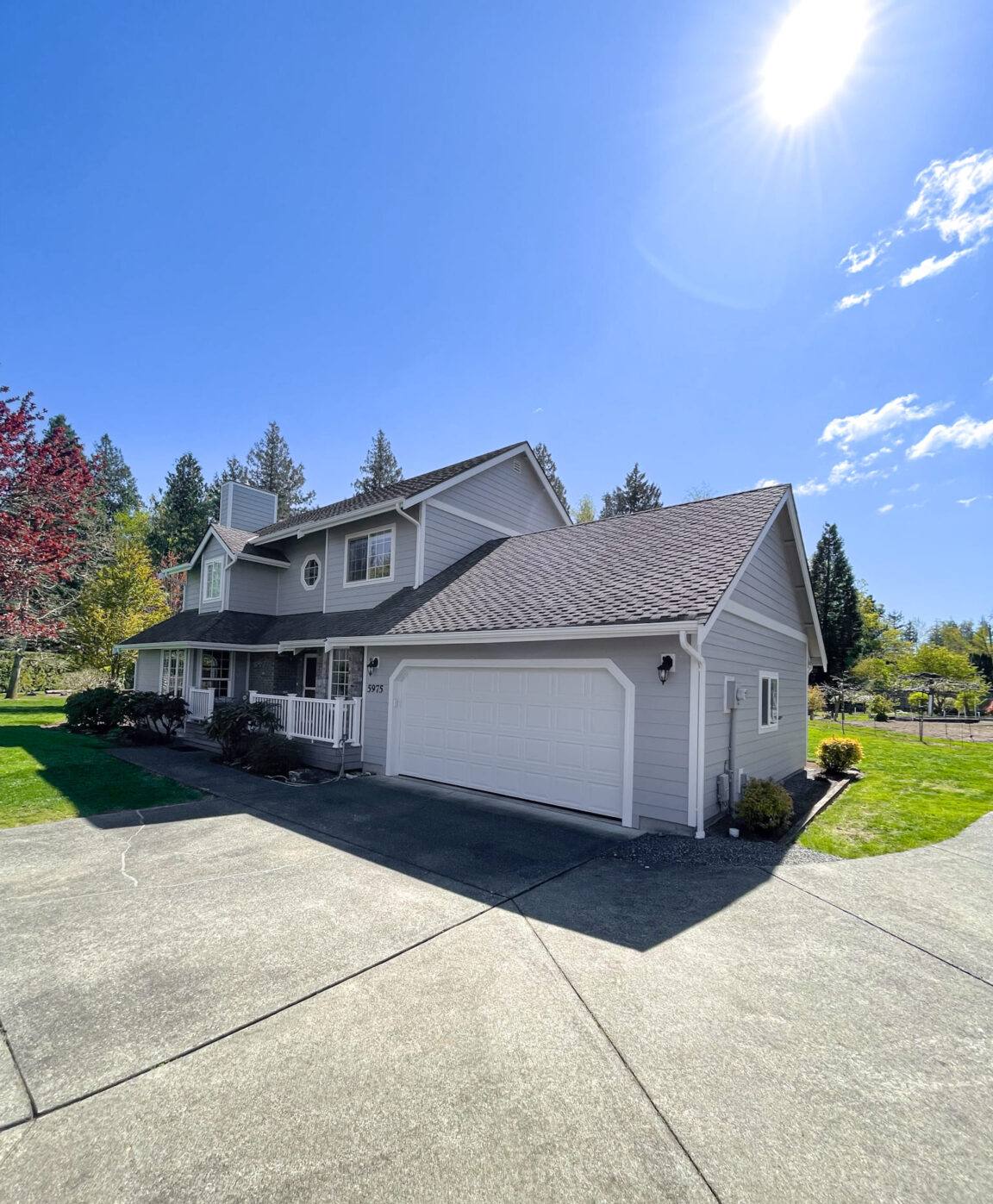
What Rosemary District's Mix of Old and New Construction Means for Siding
Historic Bungalows and Cottages
Many of the smaller, older homes in and around Rosemary District were built well before modern moisture barriers and rainscreen details were standard practice. Original siding on these homes — whether wood lap, older fiber cement, or something added later — has often been patched, painted over, and repaired piecemeal for decades. When we replace siding on a home like this, the real value isn't just the new material; it's correcting whatever moisture path problems built up underneath the old siding over the years, before they get sealed behind a new exterior.
New Infill Construction
Newer homes going up in and around the neighborhood are usually built to current Florida Building Code wind and water-resistance standards, which makes the siding choice itself more of an aesthetic and long-term durability decision than a code-compliance scramble. Even so, not every siding product performs the same way once it's actually exposed to a full Gulf Coast summer — and that's where the product conversation becomes worth having in detail.
Why We Only Install James Hardie Fiber Cement
We made a decision as a company to install James Hardie fiber cement siding exclusively — not vinyl, not LP SmartSide, not Cemplank, Allura, or primed wood species like spruce or cedar. That's not a marketing preference; it's a standard we hold because of what we've seen happen to siding on Florida homes over time, and what we're not willing to put our name behind.
What Each Alternative Gets Right — and Where It Falls Short Here
Vinyl siding is inexpensive and easy to install, but it's a petroleum-based product that softens and can deform in direct, sustained heat, and it doesn't hold up well to wind-driven debris the way a rigid fiber cement board does. LP SmartSide is an engineered wood product — it has genuine strengths in drier, colder climates, but wood-based siding is more sensitive to the kind of prolonged humidity and moisture exposure that's simply a fact of life this close to the coast. Primed wood species like spruce or cedar look great on day one, but they require a maintenance commitment — recoating, caulking, spot repairs — that most homeowners underestimate until the wood starts showing rot at the bottom courses. Other fiber cement brands, like Cemplank and Allura, are legitimate products in the same general category as Hardie, but we standardized on one manufacturer so we can guarantee our crews are installing to a single, well-documented spec every time, backed by a strong transferable warranty and a factory finish system we trust.
What Hardie Gets Right for Sarasota
James Hardie's fiber cement is non-combustible, dimensionally stable in heat and humidity, and available in HZ5 formulations engineered specifically for high-humidity, high-moisture climates like Florida's. The ColorPlus factory finish is baked on under controlled conditions, which gives it better fade resistance against year-round Florida UV than a field-applied paint job ever will. That combination — the substrate and the finish — is why it's the only fiber cement product we put on a home.
What a Correct Fiber Cement Installation Actually Involves
The material is only half the equation. A huge share of the siding failures we get called out to inspect on older Sarasota-area homes trace back to installation shortcuts, not the product itself.
Moisture Management Behind the Boards
Correct installation starts with a proper weather-resistive barrier and, ideally, a drainage plane behind the siding so any moisture that does get past the exterior can drain and dry out rather than sitting against the wall sheathing. Flashing at windows, doors, and any wall penetrations has to be integrated with that barrier in the right shingle-lap order — not caulked over as an afterthought. This is the detail work that determines whether a home stays dry inside the wall assembly for the next thirty years or starts showing hidden rot in five.
Fastening, Clearances, and Joints
James Hardie publishes specific fastener patterns, minimum clearances from rooflines, decks, and grade, and gapping requirements at every butt joint and trim intersection. Field-cut edges need to be primed or sealed per the manufacturer's instructions before they're closed up — an easy step to skip and an easy one to notice years later when a joint starts to show moisture staining. We follow the published install guide as a floor, not a suggestion.
Comparing Siding Options for a Rosemary District Home
| Material | Wind/Storm Durability | Moisture Behavior | UV/Fade Resistance | Typical Maintenance |
|---|---|---|---|---|
| James Hardie Fiber Cement (HZ5) | High — rigid, impact-resistant | Engineered for humid climates | ColorPlus factory finish resists fading | Low — occasional wash, no recoating |
| Vinyl | Can crack or blow off in high wind | Doesn't rot, but traps moisture behind if installed loose | Can chalk and fade over time | Low, but limited repair options |
| LP SmartSide (engineered wood) | Moderate | Sensitive to prolonged moisture exposure | Requires field-applied coating upkeep | Moderate to high |
| Primed Wood (spruce/cedar) | Moderate | Prone to rot without diligent upkeep | Fades and needs recoating | High — regular repainting/caulking |
Cost Factors Worth Understanding Before You Get an Estimate
Every Rosemary District home is a little different, so we don't quote prices without seeing the house, but the factors that move the number are consistent from job to job:
- Whether the existing siding and any underlying sheathing need repair or replacement, versus a straightforward strip-and-reside
- The home's overall square footage and number of corners, gables, and trim details, which affects labor time
- Whether you choose smooth or textured HardiePlank, and whether you add HardieTrim or HardieShingle accents in specific areas
- Access — older homes closer to the street or with tight side yards can add setup time
- Whether ColorPlus factory-finished boards are used (no field painting needed) versus field-applied paint after installation
We walk through all of this in person during the estimate, so you know exactly what's driving the number before you commit to anything.
Our Process for a Rosemary District Project
We start with an on-site inspection of the current exterior — checking for soft spots, existing moisture damage, and anything hiding behind the current siding that needs to be addressed before new material goes up. From there we walk you through product and color options, using ColorPlus factory-finished boards wherever the design calls for it so the finish is baked-on rather than painted on site. Once material is ordered, our crews handle removal, any necessary sheathing or barrier repair, and installation to the manufacturer's published spec — fastener patterns, clearances, flashing integration, all of it. We do a final walkthrough with you before we consider the job done, not before.
Working regularly in and around this neighborhood means we already understand the practical realities of the area — the mix of older lots and newer construction, the tight footprints closer to downtown, and the general condition of homes that have weathered decades of Gulf Coast summers. That familiarity shows up in faster, more accurate estimates and fewer surprises once we open up a wall.
Maintaining Fiber Cement Siding in Sarasota's Climate
One of the practical advantages of James Hardie siding is how little ongoing maintenance it asks for compared to wood-based alternatives. A periodic rinse to clear salt residue and airborne dust, a visual check of caulking at trim and penetrations every year or two, and prompt attention to any impact damage is about the extent of it. Because the ColorPlus finish is factory-applied and warranted separately from the substrate, you're not on a repainting schedule the way you would be with primed wood siding. That said, no siding product is maintenance-free — the goal is simply to keep the maintenance list short and manageable, which is exactly what correctly installed Hardie siding delivers.
Ready to Talk Through Your Project?
If you're weighing siding options for a home in Rosemary District, we're happy to come take a look, walk you through what we're seeing on your specific exterior, and put together a free, no-pressure estimate — no obligation, just a straight assessment of what your home needs.