 Sarasota Siding
 Building Decks for Rosemary District's Coastal Climate
Rosemary District sits close enough to Sarasota Bay and the Gulf that every outdoor structure on a property deals with the same combination of stresses: salt-laden air, long stretches of direct UV exposure, wind-driven rain during summer storms, and the occasional hurricane-force wind event. A deck built without those factors in mind will look fine for a year or two and then start showing problems — cupped boards, corroding hardware, soft spots where water has been sitting against wood it shouldn't be touching. A deck built correctly for this specific environment holds up for decades with routine maintenance instead of major repair.
This page covers what we actually do when we build a deck in Rosemary District: material choices that make sense for Sarasota County's climate, the structural details that matter most near the coast, and how our process works from first estimate to final walkthrough.
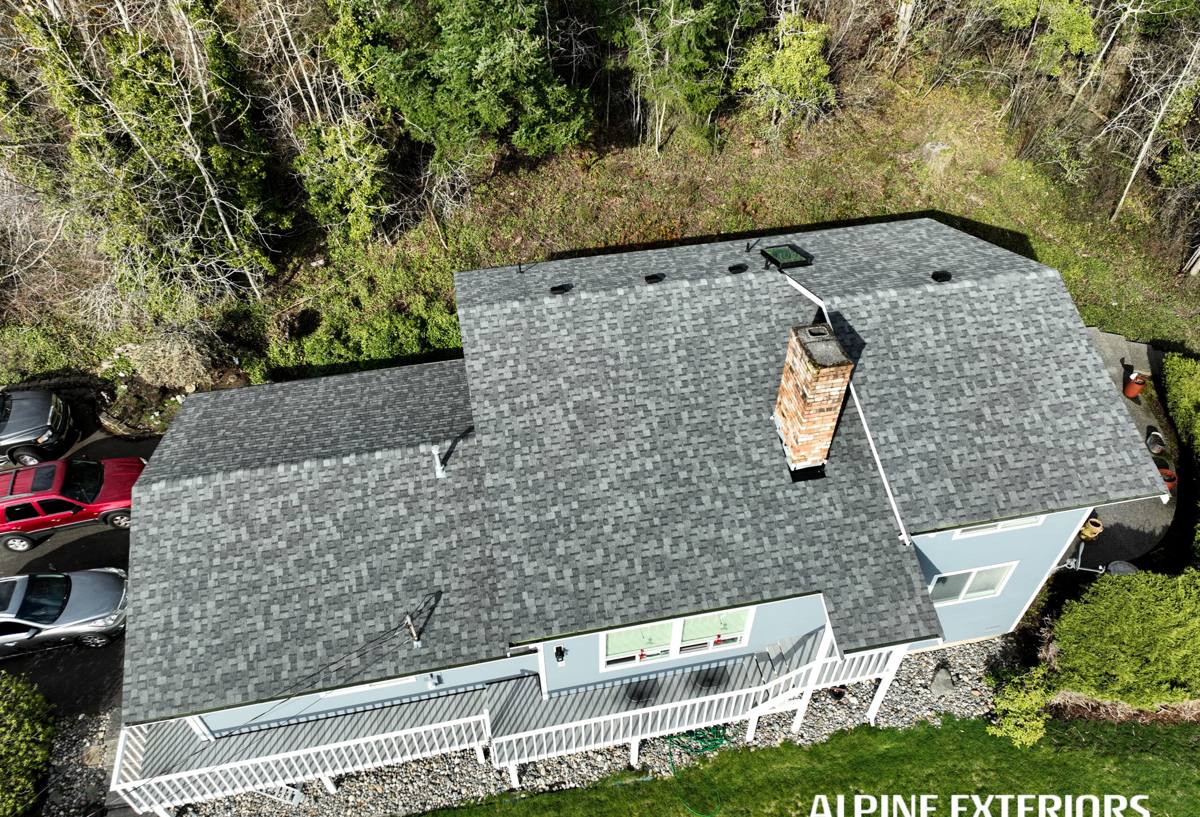
What Rosemary District Homes Need From a Deck
Older and newer homes in this part of Sarasota share a common set of exposure conditions. Whether the deck faces a shaded interior courtyard or sits fully in the sun, a few things stay constant:
- Salt air corrosion resistance — even a mile or two inland, salt carried on Gulf breezes accelerates rust on unprotected fasteners and connectors.
- UV stability — Sarasota gets strong, consistent sun nearly year-round, which fades and dries out lower-grade wood and some composite products faster than manufacturers' national averages suggest.
- Drainage and ventilation underneath — Florida's rainy season delivers heavy, fast rainfall; a deck that can't shed water quickly stays damp longer, which is where rot and mold problems start.
- Wind uplift resistance — ledger attachment, post connections, and railing anchoring all need to meet current Florida Building Code wind provisions for this zone, not just generic framing practices.
None of this is exotic. It's the standard list of things a coastal Florida deck has to get right, and it's the same list whether the deck is a small entry platform or a full-size outdoor living space.
Material Choices That Actually Hold Up Here
Decking Surface
We generally steer homeowners toward one of three directions for the deck surface itself, depending on budget and how much upkeep they want to take on:
| Material | Upfront Cost | Maintenance | Best For |
|---|---|---|---|
| Pressure-treated wood | Lowest | Annual sealing/staining recommended | Budget-conscious projects, traditional look |
| Tropical hardwood (e.g., ipe) | Highest | Periodic oiling to maintain color | Homeowners who want a premium, dense, naturally rot-resistant wood |
| Composite/PVC decking | Mid to high | Occasional washing, no sealing/staining | Low-maintenance priority, long-term coastal durability |
Each of these can work well in Rosemary District if it's installed correctly. Pressure-treated wood is honest and affordable, but it needs a real maintenance commitment from the owner — skip a year of sealing near the coast and you'll see it in the wood's condition. Composite and PVC products have gotten a lot better at resisting fade and moisture over the past decade, which is part of why we recommend them often for full-sun, salt-exposed decks where the owner wants to spend less time on upkeep.
Fasteners and Hardware
This is where a lot of decks near the coast actually fail, and it's rarely the decking material's fault. Standard galvanized fasteners corrode faster in salt air than most people expect. We use stainless steel or high-grade coated fasteners rated for coastal and treated-lumber contact, along with corrosion-resistant structural connectors at every load-bearing point — post bases, joist hangers, and ledger bolts. It costs more up front than hardware-store-grade fasteners, but it's the difference between a deck that's structurally sound at year fifteen and one that needs hardware replacement at year five.
Structural Details That Matter Most
Ledger Attachment
The ledger board — where the deck attaches to the house — carries a significant share of the deck's load and is one of the most common failure points nationally when it's done wrong. We flash it properly to keep water from getting behind the ledger and into the house's wall framing, and we bolt it (not just nail it) per current code requirements for this wind zone.
Footings and Posts
Footing depth and post spacing need to account for both the load of the deck and the wind uplift forces this area sees during storm season. We size and space footings to current Florida Building Code requirements for Sarasota County rather than defaulting to whatever spacing is fastest to build.
Railing and Guard Systems
Railings need to meet code height and baluster spacing requirements, and the posts need to be anchored well enough to resist real lateral force — not just look sturdy. This matters more on elevated decks, which are common on properties with any grade change or flood-zone elevation requirements.
Ventilation Underneath
Low-clearance decks in particular need enough airflow underneath to let moisture escape after Florida's heavy rain events. We plan joist height and any skirting with ventilation in mind rather than sealing the underside up tight.
How Our Process Works
1. On-Site Assessment
We walk the property, look at how the deck will attach to the house, check drainage patterns and sun exposure, and talk through what the homeowner actually wants to use the space for. That last part matters — a deck built for quiet morning coffee gets designed differently than one built for a large outdoor dining setup.
2. Design and Material Selection
We go over the material options in plain terms — real cost differences, real maintenance differences — so the homeowner picks based on accurate trade-offs, not marketing language.
3. Permitting
Deck construction in Sarasota County typically requires a permit, and elevated or larger structures may need engineered drawings. We handle the permitting process so the deck is inspected and documented correctly — this protects the homeowner at resale and with insurance.
4. Construction
Framing first, with attention to ledger flashing, footing depth, and hardware grade. Decking surface installed with proper spacing for drainage and material expansion. Railings and any stairs built to code and checked for solid anchoring.
5. Final Walkthrough
We walk the finished deck with the homeowner, point out any maintenance recommendations specific to the material chosen, and make sure everything meets expectations before calling the job done.
Signs an Existing Rosemary District Deck Needs Attention
If you already have a deck and are trying to decide whether it needs repair, replacement, or just maintenance, watch for:
- Soft or spongy spots when you walk across the boards
- Visible rust streaking around fastener heads or connectors
- Boards that have cupped, warped, or separated significantly
- Wobble or movement in railings or posts when pushed
- Gaps or cracking where the ledger meets the house
- Standing water underneath after rain instead of quick drainage
Any of these can usually be caught early with an honest inspection, before they turn into a full rebuild.
Cost Factors Worth Understanding
Deck pricing depends on more than just square footage. The factors that move the number most are:
- Decking material — pressure-treated, composite, and hardwood span a wide cost range, as shown above.
- Height and grade — elevated decks need more substantial framing, footings, and often stairs and additional railing.
- Site access — tight lots or limited equipment access can add labor time.
- Permitting and engineering — larger or elevated structures may require engineered plans, which adds cost but is not optional where required.
- Custom features — built-in seating, multi-level layouts, or pergola integration add both material and labor.
We give straightforward, itemized estimates so homeowners can see exactly what's driving the number, rather than a single lump figure that's hard to evaluate.
Why Local Experience in Rosemary District Matters
A crew that already works this part of Sarasota knows the practical realities that don't show up in a generic deck-building guide: how Sarasota County's permitting process actually runs, what wind and flood requirements apply to specific lot conditions in this area, and how fast salt air and UV exposure actually wear down materials here versus what national warranty language might suggest. That local knowledge shows up in smaller decisions throughout the build — hardware grade, footing depth, drainage planning — that add up to a deck that's still solid a decade or two from now instead of one that needs early repair.
If you're considering a new deck or want an honest look at one you already have, we're glad to come out, walk the property, and put together a free, no-pressure estimate. There's no obligation — just a straight assessment of what your space needs and what it would take to do it right.