 Sarasota Siding
 Why Rosemary District Windows Need to Work Harder
Windows in Sarasota do a different job than windows almost anywhere else in the country. Between hurricane-force wind gusts, wind-driven rain that finds every weak seam, salt air drifting in off the Gulf, and some of the most intense year-round UV exposure in the continental United States, a window here is under constant load even on a calm day. In Rosemary District specifically — a dense, walkable pocket close to downtown Sarasota — homes sit exposed with little tree cover or wind buffering compared to more established, heavily landscaped neighborhoods further inland. That means the wind, sun, and moisture reach the building envelope with less to slow them down.
Over time this shows up as faded interior floors and furniture, air conditioning units that run longer than they should, condensation trapped between glass panes, and frames that swell, stick, or no longer seal tight. None of that happens overnight. It's the slow result of windows that were never built for a coastal Sarasota County climate, or that were installed correctly for a different era of building code and have simply aged past their working life.
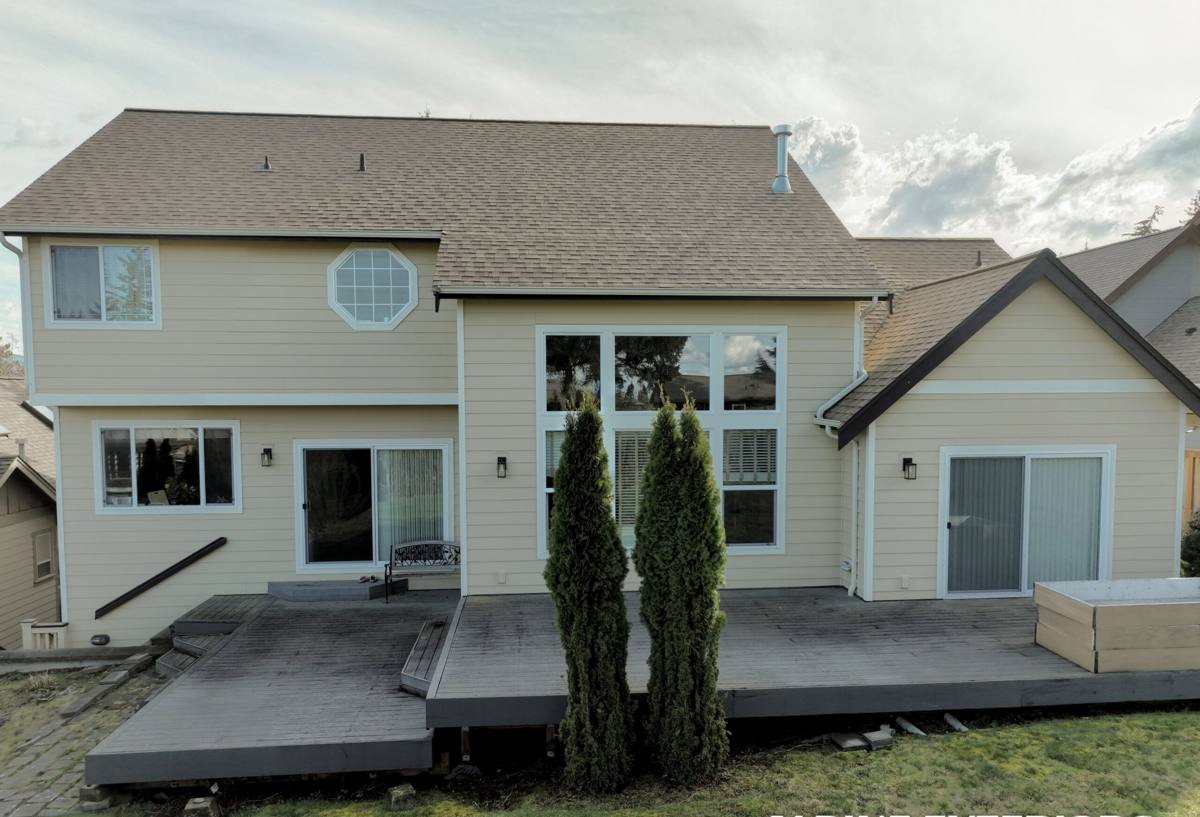
The Rosemary District Mix: Older Homes, New Construction, and Everything Between
Rosemary District has one of the more varied building stocks in the Sarasota area. You'll find older bungalow-style homes with original single-pane wood or early-generation aluminum windows sitting a block or two from newer infill construction and mixed-use buildings built to current Florida Building Code. That mix matters for window planning, because the right approach is different depending on what's already in the wall.
An older home with original windows is usually dealing with two problems at once: the glass itself is inefficient, and the frame and rough opening may not meet current wind-load and water-intrusion standards at all. A newer home may already have code-compliant windows, but the glass package installed by the builder is sometimes a baseline option — meaning there's real room to upgrade heat rejection and UV protection without touching the frame or the opening. We look at both angles before recommending anything.
What "Energy-Efficient" Actually Means in This Climate
U-Factor and Solar Heat Gain Coefficient
Two numbers do most of the work when comparing windows: U-factor, which measures how much heat passes through the window (lower is better in every climate), and Solar Heat Gain Coefficient (SHGC), which measures how much solar heat gets through the glass. Sarasota is a cooling-dominated climate almost year-round, so SHGC matters more here than it would in a northern state — a low SHGC keeps direct solar heat out of the living space instead of forcing the AC to remove it after the fact.
Low-E Coatings
A quality low-emissivity (Low-E) coating is what actually delivers on those numbers. It's a microscopically thin layer applied to the glass that reflects infrared heat and blocks the majority of UV rays, while still letting visible light through. The practical result for a Rosemary District home is a room that stays noticeably cooler in direct afternoon sun and interior finishes, floors, and furniture that fade far more slowly.
Frame Material in a Salt-Air Environment
Glass performance is only half the equation — the frame has to survive the environment too. Salt air accelerates corrosion in lower-grade metal components and hardware, which is why frame material and hardware quality deserve real attention rather than being an afterthought to the glass package. Vinyl and fiberglass frames generally hold up well against salt air since they don't rust, but frame quality varies a lot between manufacturers, and cheap vinyl can warp under sustained, intense heat. We only spec products with a track record in coastal Gulf Coast conditions, not just a general Florida rating.
Impact-Rated vs. Standard Windows: What We Recommend
One of the first decisions on any Sarasota-area window project is whether to go with impact-rated glazing or standard glass paired with a separate protection system for storm events. Both are legitimate paths under Florida Building Code depending on your home's exposure and the local wind-borne debris requirements, but they perform very differently day to day.
| Factor | Impact-Rated Windows | Standard Windows + Shutters/Panels |
|---|---|---|
| Storm protection | Built into the window itself, always active | Requires deploying separate shutters or panels before a storm |
| Daily UV & noise reduction | Laminated glass also cuts UV transmission and outside noise year-round | No added benefit outside of storm events |
| Upfront cost | Higher per-window cost | Lower window cost, but added cost for shutters/panels and storage |
| Maintenance | Glass and frame only | Shutters/panels need tracks, hardware, and storage maintained |
| Convenience | No pre-storm prep needed | Requires time and access to install protection before landfall |
We don't push impact glass as the only acceptable option — a well-built standard window with a properly engineered shutter system is code-compliant and can be the right call on a tighter budget. What we do insist on is that whichever path you choose is installed to the product's actual engineering approval, not a generic install that assumes it'll be fine.
Installation Details That Determine Whether the Window Performs
Flashing and Weatherproofing
Most window failures we see in this area aren't glass failures — they're water intrusion around the opening because flashing was skipped, layered in the wrong order, or not integrated correctly with the home's existing weather-resistive barrier. Wind-driven rain in a Gulf Coast storm doesn't fall straight down; it gets pushed sideways and upward into gaps that would never leak in a normal rain.
Fastening for Wind Load
Every impact and wind-rated window carries a manufacturer installation instruction with specific fastener type, spacing, and embedment depth tied to its product approval. Substituting fasteners or spacing them wider "because it looks solid enough" voids the wind-load rating even if the window itself is rated correctly.
Sealant and Caulking
Sealant is the last line of defense, not the first. It has to be paired with correct flashing and backer rod, using a sealant rated for exterior, UV-exposed, coastal use — generic caulk breaks down fast under this much sun and salt air.
Our Process for Rosemary District Window Projects
- On-site assessment of existing windows, framing condition, and exposure on each elevation of the home
- Precise measurements and a review of glass, frame, and impact-rating options that fit the home and budget
- A written estimate with product specifications, not vague allowances
- Permit pulled and filed with the appropriate local building department before work begins
- Removal of old windows and inspection of the rough opening for hidden rot, moisture, or framing issues
- Installation per manufacturer's approved fastening and flashing method
- Sealing, trim work, and cleanup
- Final inspection and a walkthrough so you know how to operate and maintain your new windows
Signs Your Current Windows Are Costing You Money
Not every window problem is obvious from the outside. A few practical checks:
- Fogging or haze between panes of double-pane glass — the seal has failed and the insulating gas is gone
- Windows that are difficult to open, close, or lock, or that no longer sit flush in the frame
- Visible daylight, drafts, or outside noise around the frame when the window is closed
- Soft or discolored wood, or bubbling paint, on the interior or exterior trim around the window
- Rooms near west- or south-facing windows that stay noticeably hotter than the rest of the house
- Rising cooling bills without a clear cause elsewhere in the home
- Single-pane glass with no Low-E coating, common in older Rosemary District homes with original windows
Permits and Wind-Borne Debris Region Rules in Sarasota County
Sarasota County falls within Florida's wind-borne debris region under the Florida Building Code, which means replacement windows near the coast generally need to either be impact-rated or paired with an approved opening protection system — standard, non-rated glass alone typically won't pass. A permit and inspection are standard requirements for window replacement in the City of Sarasota and unincorporated Sarasota County alike; this isn't optional paperwork, it's how the work gets verified against wind-load and water-intrusion standards. Skipping the permit step can create real problems later, from failed home inspections at resale to insurance claim disputes if a storm-related issue arises.
Why Local Experience in Rosemary District Matters
A window that's correctly speced and installed in a quiet, sheltered inland subdivision isn't automatically right for a more exposed, close-to-downtown Sarasota neighborhood like Rosemary District. Wind exposure, sun angle relative to nearby buildings, and the age mix of the housing stock all factor into what actually holds up here. A crew that already works this neighborhood knows the local permitting process, has already handled the older-home surprises that show up once the old window comes out, and is easy to reach if a question comes up after the job is done — not a name you found once and never saw again.
If you're weighing your options for Rosemary District window replacement, we're happy to take a look and walk you through what we'd actually recommend for your home, with no pressure to buy on the spot. Reach out using the form below for a free estimate.