 Sarasota Siding
 Board & Batten Siding in Rosemary District
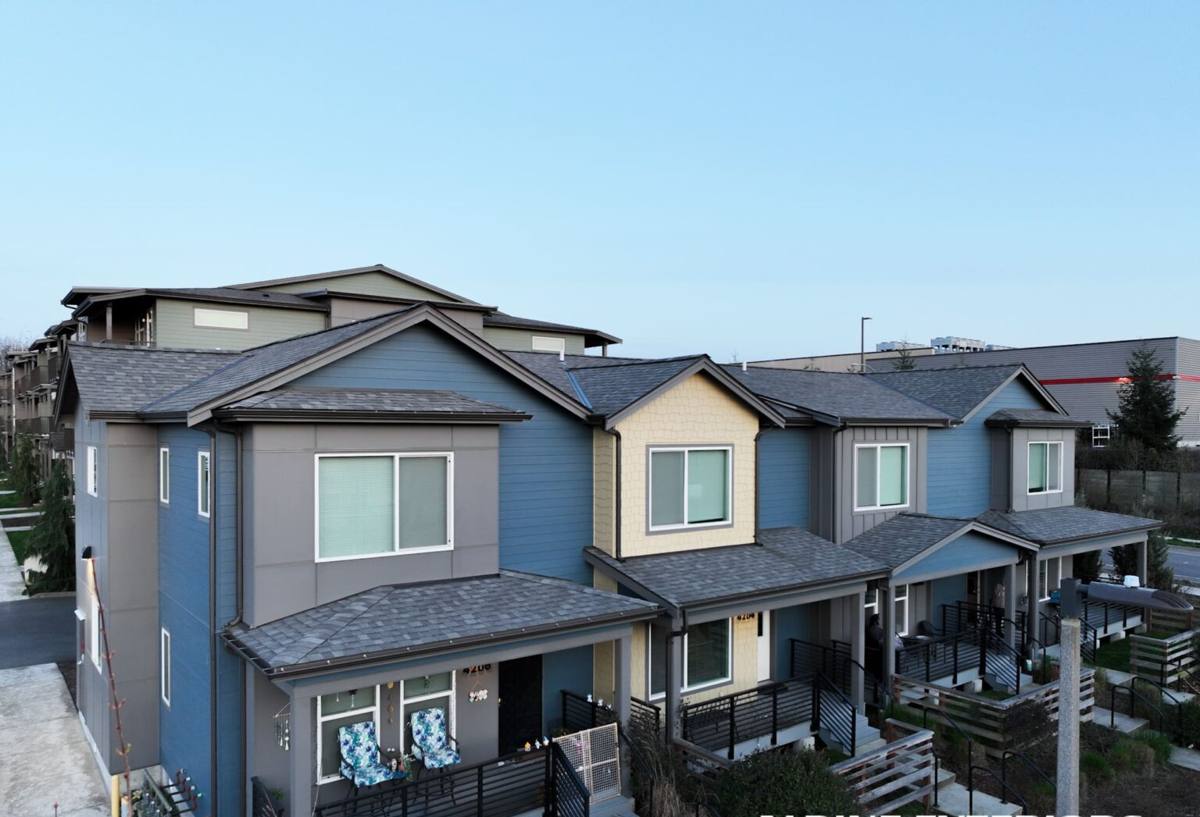
Rosemary District sits just north of downtown Sarasota, and the housing stock reflects that in-between position: a scattering of older bungalows and cottages mixed with newer infill construction, townhomes, and modern builds going up as the neighborhood continues to redevelop. Board and batten siding shows up on both ends of that spectrum. On older homes it echoes a historic Florida vernacular. On new construction it delivers the clean, vertical-line look that fits craftsman, coastal, and modern farmhouse designs alike.
What board and batten siding is not, however, is a single product — it is a system, and how that system is built determines whether it lasts on a Sarasota County home or becomes a recurring maintenance problem. This page covers what board and batten siding needs to do in Rosemary District specifically, how a correct installation works, and why we only install it in James Hardie fiber cement.
What Sarasota's Climate Does to Vertical Siding
Board and batten siding has more vertical seams than standard lap siding, and every one of those seams is a potential entry point for water if the system isn't detailed correctly. In a coastal Sarasota County climate, that matters more than it would inland.
Hurricane-Force Wind
Wide vertical panels catch more wind load than narrow lap boards, so fastening pattern and panel attachment have to be engineered for wind zone, not just nailed up by feel. Under-fastened or improperly spaced battens are one of the first things to fail in a storm.
Wind-Driven Rain
During tropical systems, rain doesn't fall straight down here — it drives sideways into vertical seams and batten joints. A system that isn't back-primed, flashed, and sealed at the right points will let water track behind the siding long before the surface shows any damage.
Intense Year-Round UV
Sarasota gets strong sun exposure nearly every month of the year. Paint film on wood battens and boards breaks down under that exposure faster than it would in a milder climate, leading to chalking, fading, and cracking that opens the door to moisture.
Salt Air
Proximity to the Gulf means airborne salt settles on exterior surfaces and accelerates corrosion of fasteners and metal flashing, and it degrades lower-quality finishes over time. Material and hardware choice both need to account for it.
How a Board & Batten System Actually Works
Board and batten siding is built one of two ways: individual vertical boards with narrower battens covering the seams between them, or a solid vertical panel with battens applied over the panel joints to create the same visual rhythm. Either way, the batten's job is to cover and protect the seam underneath it — it is a functional weather detail, not just a decorative strip.
That means the batten spacing, the fastener pattern into each batten, the gap left at the panel or board ends for expansion, and the flashing behind every horizontal transition (window heads, roof lines, trim boards) all have to be done to the manufacturer's installed specification. Skip any one of those steps and the "look" of board and batten survives while the weather protection underneath it doesn't.
Why We Install Only James Hardie for This Application
Board and batten is one of the styles where material choice shows up fastest, because the vertical lines and butt joints are highly visible and any warping, cupping, or fading is obvious from the street. We don't install vinyl board and batten, wood board and batten, or engineered wood systems like LP SmartSide for homes in Rosemary District, and we're upfront about why:
- Wood boards and battens look great on day one but require ongoing paint maintenance in a climate that's hard on paint film, and they're vulnerable to moisture absorption at end grain and seams.
- Vinyl board and batten is lightweight and low-maintenance, but it can warp or distort in intense heat, doesn't hold up as well to sustained high wind, and the seams and battens are typically decorative rather than a true water-shedding system.
- Engineered wood products perform reasonably in drier climates but rely on a treated wood substrate that is more moisture-sensitive than fiber cement, which matters in a coastal, high-humidity county.
James Hardie board and batten siding is fiber cement — a non-combustible material engineered specifically for climates like this one under its HZ10 designation, which accounts for the moisture and humidity exposure common to Florida's Gulf Coast. It holds a factory-applied ColorPlus finish that resists fading and chalking far better than field-applied paint, and it comes with a strong transferable warranty when installed to spec. It doesn't rot, and it isn't a food source for pests. That combination is why it's the only board and batten system we put on homes in this neighborhood.
What Correct Installation Involves
A board and batten job that will actually hold up in Rosemary District's climate comes down to details most homeowners never see once the siding is up:
- Correct fastener type, length, and spacing driven into structural framing at every batten — not just into the panel.
- Proper gapping at panel and board ends to allow for thermal movement, per manufacturer specification.
- Flashing and integrated water-resistive barrier behind every horizontal transition, window, door, and penetration.
- A starter strip and weep path at the base of the wall so any incidental moisture can drain out instead of collecting.
- Sealant only where the manufacturer calls for it — over-caulking every seam can trap moisture rather than shed it.
- Fasteners and trim hardware rated for coastal, corrosion-prone environments.
Any one of these steps done wrong won't show up as a visible problem right away. It shows up two or three years later as staining, soft spots at the base of walls, or paint failure at seams — after the damage is already done behind the siding.
Comparing Board & Batten Options
| Factor | James Hardie Fiber Cement | Wood | Vinyl |
|---|---|---|---|
| Wind performance | Engineered for high wind zones when installed to spec | Depends heavily on framing and fastening quality | Can flex or detach under sustained high wind |
| UV / fade resistance | Factory ColorPlus finish resists fading and chalking | Field paint fades and chalks faster in constant sun | Color can fade unevenly over time |
| Moisture behavior | Non-combustible, engineered for humid/coastal exposure | Absorbs moisture at seams and end grain | Doesn't absorb, but seams aren't a true water barrier |
| Maintenance | Occasional wash, no repainting cycle needed | Regular repainting and seam inspection | Low maintenance but can warp near heat sources |
| Warranty | Strong transferable manufacturer warranty | Typically limited to installer workmanship | Varies widely by manufacturer and grade |
Our Process for Rosemary District Homes
We walk the property first and look at what the existing siding is doing — where it's failing, where trim and flashing details are weak, and whether the home is a tear-off or, in rare cases, suited to install over. From there we go over James Hardie's board and batten options, including panel width, batten spacing, and ColorPlus color selections that fit both the historic character and newer builds found throughout the neighborhood.
We handle permitting through Sarasota County, coordinate the tear-off and disposal, and install to manufacturer spec — correct fastening, flashing, gapping, and trim integration — rather than a "close enough" application. Because we already work in Rosemary District and the surrounding Sarasota area regularly, we're familiar with the mix of older framing conditions found in the neighborhood's original housing stock as well as the newer construction methods used in recent infill builds, and we plan the installation accordingly.
Maintaining Board & Batten Siding After Installation
James Hardie board and batten siding is low-maintenance compared to wood or vinyl, but "low-maintenance" isn't "no-maintenance." A simple annual check keeps it performing the way it's designed to:
- Rinse the siding with a garden hose periodically to clear salt residue and airborne debris.
- Walk the base of the walls after storm season and check for staining, soft spots, or standing water at the weep line.
- Inspect caulking and sealant joints around windows and trim once a year for cracking or separation.
- Look at batten fasteners after major wind events for any that have backed out or loosened.
- Keep irrigation heads and sprinklers from spraying directly onto the siding, which accelerates wear at the base.
Why Hiring a Local Crew Matters
Board and batten is unforgiving of shortcuts because the seams and joints are so visible, and because Sarasota County's wind and moisture exposure will find any weak point in the installation faster than a milder climate would. A crew that already works in Rosemary District knows the local permitting process, understands the wind zone requirements that apply here, and has seen firsthand how both older and newer homes in the area behave once siding goes up. That familiarity translates directly into fewer surprises during the project and a better-performing wall system once it's done.
If you're weighing board and batten siding for a home in Rosemary District, we're glad to walk the property, look at what you're working with, and put together a straightforward, no-pressure estimate — no obligation, just a clear look at what the job actually involves.