 Sarasota Siding
 New Construction in Rosemary District: A Different Job Than a Retrofit
Rosemary District sits just north of downtown Sarasota, and it's one of the more active pockets of new residential construction in the city — townhomes, infill single-family homes, and low-rise condo buildings going up on tight urban lots close to the bayfront. Installing windows during new construction is a fundamentally different job than replacing windows in an existing home. There's no old frame to work around, no existing stucco or siding to patch into — but there's also no room for error, because whatever goes in behind the exterior finish becomes permanent and mostly invisible once the siding, stucco, or trim closes it in.
That means the window package and the installation sequence have to be right the first time. On a replacement job, a mistake shows up as a leak a few years later that gets fixed by pulling one window. On new construction, a systemic mistake — the wrong flashing sequence, the wrong sealant, a product that isn't rated for the site's actual wind exposure — can repeat across every opening in the house.
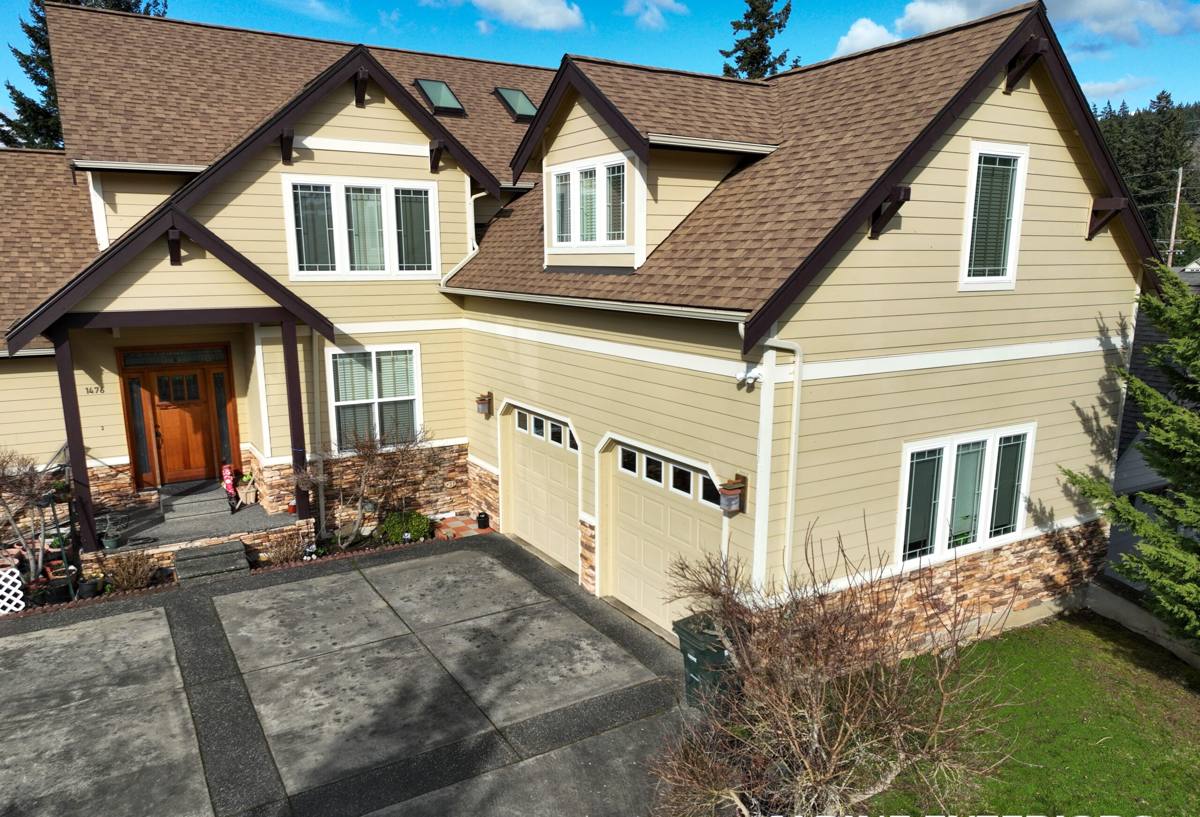
Why Sarasota's Climate Drives Every Decision on This Job
Rosemary District isn't oceanfront, but it's close enough to Sarasota Bay and the Gulf that the same climate stresses apply as anywhere else in Sarasota County: hurricane-force wind events, wind-driven rain that gets forced sideways into wall assemblies, salt-laden air that accelerates corrosion on hardware and fasteners, and intense, near year-round UV that breaks down seals, gaskets, and lesser vinyl and coatings faster than it would in a milder climate.
For new construction, this means the window isn't just a product decision — it's a systems decision. The window has to be paired correctly with the water-resistive barrier, the flashing at the rough opening, and the exterior finish that will be installed after it. Get any one of those wrong and you've built a leak path into a brand-new house.
What This Looks Like in Practice
On a home under construction in this neighborhood, we're usually looking at:
- Corner and multi-exposure lots with no mature tree cover to break wind loading on at least one or two elevations
- Stucco or fiber-cement exteriors, both of which depend on the window being flashed correctly before they go on
- Modern architectural styles with larger glass openings and taller window units than older Sarasota housing stock
- Full sun exposure on south- and west-facing openings for much of the day
Florida Building Code and Wind Requirements for New Windows
Sarasota isn't in the state's official High-Velocity Hurricane Zone (that designation applies to Miami-Dade and Broward Counties), but the Florida Building Code still requires new construction here to meet high basic wind speed design values and, depending on the site's exposure and distance from the coast, wind-borne debris impact protection. In practice, that means every new window installed has to carry a valid Florida product approval (or Miami-Dade Notice of Acceptance where used) matching the specific wind pressure and impact requirements for that lot.
This isn't paperwork we treat casually. The product approval has to match the window as installed — size, glass makeup, anchoring method, and all — not just the general model name. On new construction, this gets checked at multiple inspection points, and a mismatch between what's on the plans and what's physically installed is one of the more common reasons a job gets flagged.
Impact Glass vs. Shutters — What New Construction Usually Calls For
Builders and homeowners in Rosemary District generally choose one of two paths to satisfy wind-borne debris protection:
| Approach | How It Works | Trade-Offs |
|---|---|---|
| Impact-rated windows | Laminated glass and reinforced frames rated to resist debris impact and pressure cycling without separate hardware | Higher upfront glass cost; no shutters to store, deploy, or maintain; consistent look year-round |
| Standard glass + shutters | Non-impact windows paired with code-compliant shutters (accordion, roll-down, or panel) deployed before a storm | Lower glass cost; requires storage, working hardware, and someone home (or hired) to deploy them before landfall |
For new construction specifically, most homeowners in this area lean toward impact glass. On a house that's already being built to modern standards, the incremental cost is smaller than retrofitting shutters later, and it removes one more thing to think about every hurricane season.
What a Correct Installation Actually Involves
The window unit itself matters, but most leak and durability problems we're called to fix on new-ish construction trace back to the installation sequence, not the product. A correct new-construction window install follows a specific order:
- Rough opening is checked against manufacturer tolerances before the window ever arrives on site
- Sill pan flashing is installed first, sloped to drain any water that gets past the window to the exterior, not into the wall cavity
- The window is set, shimmed level and plumb, and fastened per the product approval's specific anchoring schedule — not a generic pattern
- Flashing tape integrates with the water-resistive barrier in the correct shingle-lap order — head flashing over the barrier, side and sill flashing under it
- Sealant is applied at the correct joints only — sealing every gap sounds thorough but can trap water if it blocks the drainage path the system is designed around
- Interior and exterior trim, stucco, or siding is installed only after the window and flashing are inspected
Skipping or reordering any of these steps is how a brand-new home ends up with a hidden moisture path. Once the exterior finish is on, it's invisible until it isn't.
Frame Material Considerations for This Climate
| Frame Material | Salt Air / UV Behavior | Best Fit |
|---|---|---|
| Vinyl (impact-rated) | Won't corrode; quality UV-stabilized formulations resist yellowing and brittleness | Most new-construction homes prioritizing value and low maintenance |
| Aluminum | Strong and slim sightlines, but needs a good marine-grade finish to resist salt-air corrosion over decades | Modern architectural styles wanting narrow frames and larger glass |
| Fiberglass | Very stable in heat and UV, minimal expansion/contraction, higher upfront cost | Homeowners planning to stay long-term who want to minimize future maintenance |
Our Process on New-Construction Projects
We work with builders and homeowners directly, and the process is the same either way:
Plan review. Before anything is ordered, we review the architectural plans and site-specific wind pressure requirements for the lot. This determines which product approvals apply and rules out anything that won't pass inspection.
Product selection. We walk through frame material, glass package, and impact vs. shutter approach based on the home's exposure, budget, and the owner's long-term maintenance preferences — not a one-size answer.
Scheduling with the build sequence. Windows have to go in at the right point in framing — too early and the opening isn't ready; too late and it holds up stucco, siding, or drywall crews behind us. We coordinate directly with the general contractor's schedule.
Installation and documentation. Every unit is installed to the flashing sequence above, and we document product approval numbers and installation details for the permit file and any inspections.
Inspection support. We're available for the building inspector's walkthroughs on window-related items so nothing about the install holds up the rest of the project.
Common Mistakes We See on New Construction in This Area
Most of the window-related problems that show up on newer homes in and around Sarasota come down to a handful of recurring issues:
- Sealant used in place of proper flashing, which fails years before the rest of the house does
- Fastening patterns that don't match the specific product approval for that window's size and pressure rating
- Sill pans skipped or installed flat instead of sloped to drain
- Stucco or siding crews closing in the wall before window flashing is inspected
- Mismatched glass packages between what's on the permit and what's actually installed
None of these are visible from inside a finished home. They show up as water stains, soft drywall, or a failed re-certification years down the road — which is exactly why getting the install right during construction matters more than almost any other trade decision on the house.
A Quick Checklist Before Windows Go In
- Confirm the product approval number on the window matches the size and configuration actually being installed
- Confirm whether the lot's wind exposure requires impact glass, shutters, or both
- Confirm sill pan flashing is part of the installation scope, not assumed as "included"
- Confirm the installation sequence lines up with when stucco, siding, or trim crews are scheduled
- Ask who is responsible for documentation at inspection — the installer or the general contractor
Why Local Experience in Rosemary District Matters
New construction in this neighborhood moves fast, and the crews doing framing, stucco, and siding are often working back-to-back on tight urban lots with limited staging space. A window installer who's worked this specific area knows how to sequence around that — how to get windows set without holding up the rest of the trades, and how to flash correctly on the stucco and fiber-cement systems commonly used on new builds here. That local familiarity, paired with a clear understanding of Sarasota County's wind and inspection requirements, is what keeps a new-construction window package from becoming the reason a project falls behind or the reason a homeowner has a problem to fix a few years after moving in.
If you're building or having a home built in Rosemary District and want the window package handled right the first time, we're happy to walk the plans with you and put together a straightforward estimate — no pressure, just a clear look at what the site actually needs.