 Sarasota Siding
 Roof Replacement in Rosemary District: What Makes This Neighborhood Different
Rosemary District sits close to downtown Sarasota, which means a real mix of housing stock — older bungalows and cottages from decades past sitting alongside newer infill construction and renovated properties. That mix matters when it comes to roofing. A roof replacement plan that works for a 1980s ranch home isn't automatically right for a home built in the 1950s with different decking, different ventilation, and a roofline that's been patched more than once over the years. Before we talk product or price, we look at what's actually on the house.
What doesn't change from property to property is the climate. Sarasota County sits in a hurricane-exposed corridor, with sustained coastal humidity, intense UV exposure nearly year-round, and salt-laden air moving in off the Gulf. Rosemary District isn't waterfront, but it's close enough to the coast that salt air still reaches roofing metal, fasteners, and flashing over time. A roof replacement here has to account for all of that at once — not just "will it survive a storm" but "will it hold up to ten years of sun, humidity, and salt exposure between storms."
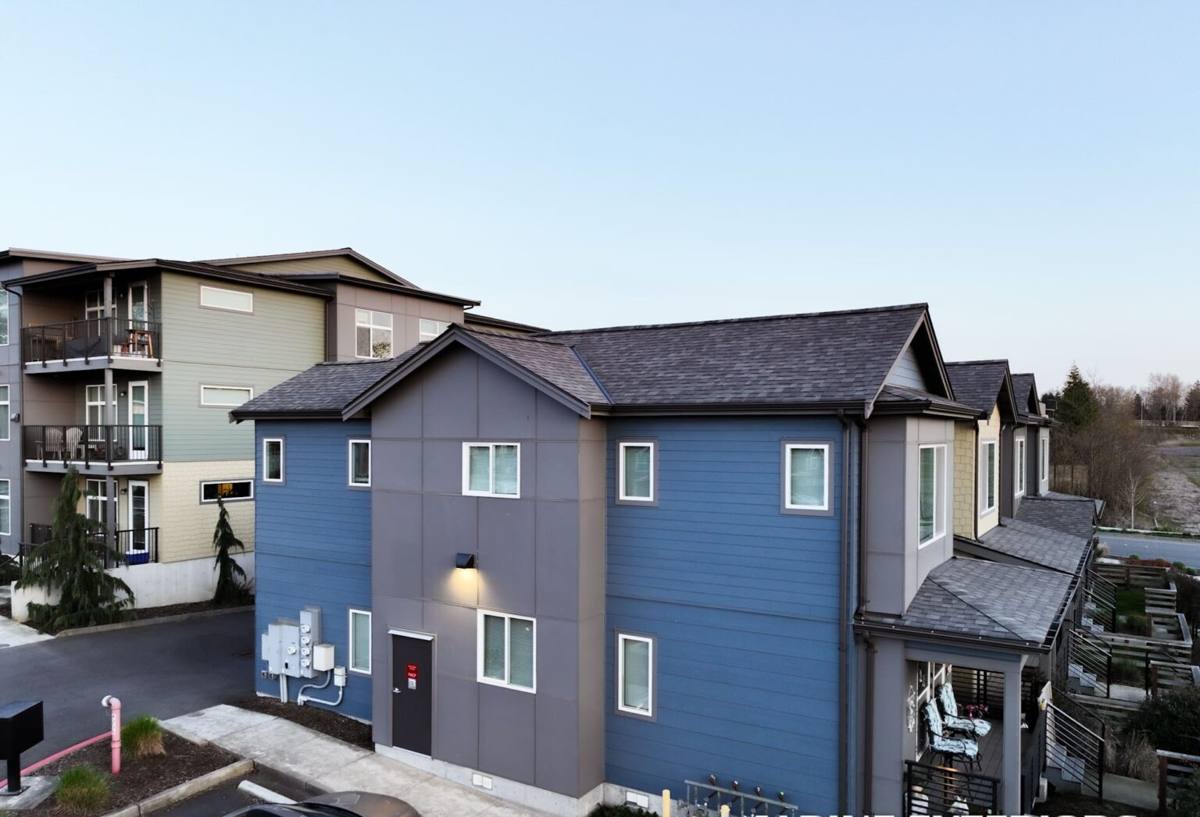
Why Roofs Fail Faster Near Downtown Sarasota
Three things do most of the damage to roofs in this part of the county, and they work together, not separately:
- UV degradation: Constant, intense sun bakes asphalt shingles and breaks down sealants faster than in most parts of the country, shortening the effective service life of lower-grade materials.
- Wind-driven rain: During tropical storms and hurricanes, rain doesn't just fall — it's pushed sideways under shingle edges, around vents, and into any flashing detail that isn't sealed correctly. Most storm leaks trace back to flashing and edge details, not the field of the roof.
- Salt air corrosion: Even a few miles inland, airborne salt accelerates corrosion on exposed fasteners, metal flashing, and drip edge. Roofs built with standard-grade hardware show rust and fastener failure years before roofs built with coastal-rated components.
Layer in Rosemary District's older housing stock and you get a fourth factor: roof decking and ventilation that were adequate when installed but weren't built to current wind-load or moisture-management standards. A replacement is the right time to correct that, not just re-cover it.
What a Correct Roof Replacement Actually Involves
"Roof replacement" gets used loosely in this business. A tear-off and reshingle is not the same job as a full system replacement, and the difference shows up the first time a storm rolls through. Here's what we consider non-negotiable on every full replacement:
Full Tear-Off, Not a Layover
We remove existing roofing material down to the deck rather than layering new shingles over old. This lets us actually inspect the deck, catch rot or delamination before it's covered up, and gives the new roofing system a flat, sound surface to attach to — which matters directly for wind performance.
Deck Inspection and Repair
Plywood or plank decking that's soft, delaminated, or water-stained gets replaced, not painted over or ignored. This is especially relevant on older Rosemary District homes where the original decking may be decades old and has likely seen multiple roof cycles.
Underlayment Built for Wind-Driven Rain
A synthetic or self-adhering underlayment, correctly lapped and sealed at penetrations, is what actually keeps water out during a sideways rainstorm — the shingles or tiles on top are the first line of defense, not the last. This layer is where a lot of corner-cutting happens on cheap re-roofs, and it's where we don't cut corners.
Flashing, Not Just Shingles
Valleys, chimneys, wall intersections, and vent penetrations all need properly formed and sealed flashing — this is the single most common source of roof leaks in this climate, storm or no storm.
Fasteners and Hardware Rated for Coastal Exposure
Given the salt air moving through this part of Sarasota County, we use corrosion-resistant fasteners and flashing rather than standard-grade hardware that rusts and fails early.
Ventilation That Matches the Attic
Proper intake and exhaust ventilation keeps attic temperatures and moisture in check, which extends the life of the roofing material and helps with energy costs — something that matters in a Florida attic that can otherwise run extremely hot.
Roofing Material Options for This Area
There's no single "best" roofing material for Rosemary District — it depends on the home's roofline, budget, and how long the homeowner plans to stay in the property. Here's how the common options stack up for this specific climate:
| Material | Wind Performance | UV/Salt Durability | Maintenance | Typical Lifespan |
|---|---|---|---|---|
| Architectural asphalt shingle | Good, when rated and installed to spec | Moderate — UV breaks down granules over time | Low | 15–25 years |
| Metal (standing seam) | Excellent | Very good with coastal-rated coatings and fasteners | Low | 30–50 years |
| Concrete/clay tile | Excellent when properly fastened | Excellent — tile itself doesn't degrade from UV or salt | Moderate — underlayment beneath tile still needs periodic attention | 30–50+ years (underlayment shorter) |
| Flat/low-slope membrane (for additions, porches) | Good with correct detailing | Good with quality membrane and coating | Moderate | 15–25 years |
For most Rosemary District homes we're asked about a straightforward asphalt shingle replacement, and a properly rated architectural shingle system, installed to manufacturer spec with the coastal details above, is a legitimate, cost-effective choice — it doesn't have to mean tile or metal to hold up here. Where a home has a lower-slope section or an addition roof, we'll usually discuss a membrane system specifically for that section rather than trying to force shingles onto a pitch they're not designed for.
Our Process for a Rosemary District Roof Replacement
- On-site inspection. We walk the roof and attic, check the deck condition where accessible, and look at flashing, ventilation, and any existing damage or repairs.
- Honest scope and written estimate. We tell you what the roof actually needs — not an upsell, not a bare-minimum patch — and put pricing in writing before any work starts.
- Permitting. Roof replacements in Sarasota County require a permit and inspection. We handle that process as part of the job.
- Material delivery and site protection. Landscaping, driveways, and pool areas get protected before tear-off begins.
- Tear-off and deck inspection. Old roofing comes off, the deck gets inspected, and any needed repairs are done before anything new goes down.
- Underlayment, flashing, and roofing installation. Installed to manufacturer spec, with attention to every penetration and edge detail — the details that determine how the roof performs in a storm.
- Cleanup and final walkthrough. Full site cleanup including magnetic sweep for nails, followed by a walkthrough so you can see the finished work before we consider the job done.
- Final inspection sign-off. We coordinate the county inspection so the permit closes out properly.
Why It Matters That We Already Work in Rosemary District
A crew that already works this neighborhood knows the housing mix — older homes that need extra deck scrutiny, newer builds with different roofline geometry, and the general condition roofs tend to be in after years of Sarasota sun. That familiarity shows up in faster, more accurate inspections and fewer surprises once tear-off starts. It also means we're not learning the local permitting process on your job — we know what Sarasota County expects and how to keep the project moving through inspection without unnecessary delays.
Just as important: we're not a storm-chasing crew that shows up after a hurricane and disappears once the check clears. We're doing roof replacements in this area in the calm months too, which is exactly when a proper, unhurried, properly-permitted replacement should happen — not scrambled together under a tarp after storm damage forces the issue.
Signs Your Roof Needs Replacement, Not Repair
Not every roof problem calls for full replacement. But there are signs that point toward it being the smarter long-term move rather than another round of patching:
- Shingles that are curling, cupping, or losing significant granules across large sections of the roof
- Multiple past repairs in different areas, suggesting the whole system is aging out rather than one isolated spot failing
- Visible daylight through the roof deck from inside the attic
- Soft or spongy decking felt when walking the roof
- A roof approaching or past the upper end of its material's expected lifespan, especially heading into hurricane season
- Rising energy bills tied to poor attic ventilation or failing insulation beneath the roof
- Visible sagging along the roofline
If you're only seeing one or two of these and the roof is otherwise sound, a repair may genuinely be the right call — we'll tell you that if it's true. Replacement makes sense when the underlying system, not just the surface, is what's failing.
Cost Factors Homeowners Should Understand
Roof replacement pricing varies by home, and we won't quote a number without seeing the roof — but the factors that actually move the price are worth understanding upfront:
| Factor | Why It Matters |
|---|---|
| Roof size and number of stories | More square footage and steeper access both add material and labor time |
| Roof pitch and complexity | Multiple valleys, dormers, and roof planes take more time and flashing than a simple gable |
| Deck condition | Rotted or delaminated decking found during tear-off adds material and labor not visible in the initial inspection |
| Material choice | Architectural shingle, metal, and tile carry different material and installation costs, as shown above |
| Layers of existing roofing | Removing multiple old layers takes more labor and disposal cost than a single-layer tear-off |
| Permitting and code upgrades | Bringing ventilation or flashing up to current code can add scope, but it's what keeps the roof performing correctly |
We'd rather walk you through these factors on your actual roof than throw out a broad range that doesn't mean much until we've seen the deck condition. That's what the inspection is for.
Ready for a Straight Answer on Your Roof
If your roof is showing its age or you just want an honest opinion on whether repair or replacement makes more sense, we're happy to take a look. Fill out the form below for a free, no-pressure estimate — we'll tell you what we actually see, not what's easiest to sell.