 Sarasota Siding
 Storm Damage Roof Repair for Rosemary District Homes
Rosemary District sits close to downtown Sarasota, mixing older bungalows and cottages with newer infill construction and renovated multi-family buildings. Roofs in this part of the city take a beating from more than just the occasional named storm. Between tropical system winds, sudden summer squalls off the Gulf, and the general wear of a Sarasota County climate, roofs here age faster than most homeowners expect. Storm damage repair done right isn't just patching a leak — it's understanding how this specific mix of weather stresses a roof over time and repairing it so the next storm doesn't find the same weak spot.
Because many Rosemary District homes were built decades ago and have gone through multiple ownership changes and partial renovations, roof systems here are often a patchwork of repairs from different eras. That history matters when we're diagnosing storm damage — a leak that shows up after a windstorm may be tracing back to a flashing detail or decking issue that's been developing for years, not something the storm created on its own.
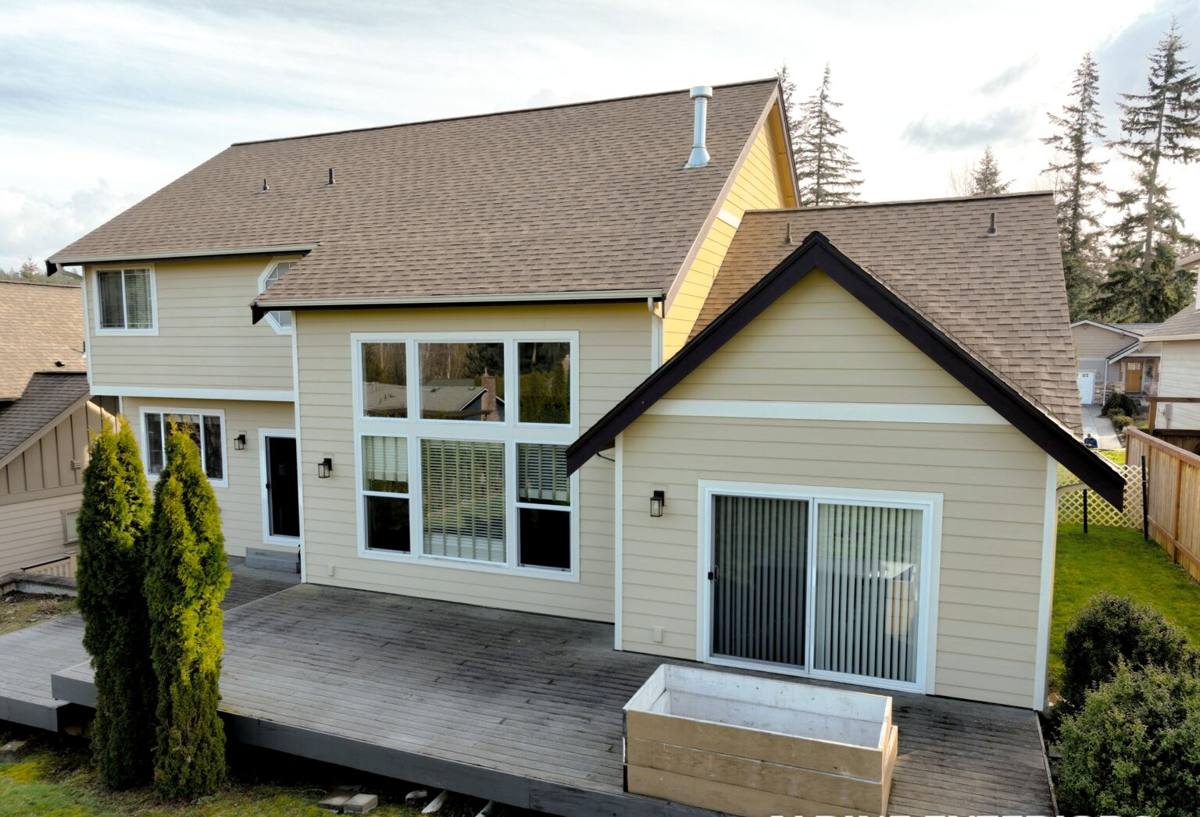
What Sarasota's Climate Does to a Rosemary District Roof
Sarasota County sees a specific combination of stresses that doesn't let up seasonally. Understanding each one helps explain why storm damage repair has to go beyond a quick shingle swap.
Hurricane-Force Wind
Wind doesn't just tear off loose shingles — it gets underneath the roof covering at edges, ridges, and any spot where the seal has weakened. Once wind gets under a shingle or tile, it can peel back a much larger section than the original point of failure. Rosemary District's mix of building ages means wind resistance varies a lot from one roof to the next, even on the same block.
Wind-Driven Rain
Sarasota storms rarely bring rain straight down. Wind pushes rain sideways and upward under eaves, around chimneys, and into any gap in flashing or underlayment. This is why a roof can look intact from the ground after a storm but still be leaking — the damage is often at a seam or transition point, not out in the open field of the roof.
Year-Round UV Exposure
Florida's UV load is intense nearly every month of the year, not just in summer. UV breaks down asphalt shingle oils, dries out sealant, and makes roofing materials more brittle. A roof that's been baking under Sarasota sun for 15-20 years has less flexibility left to absorb wind stress before something gives.
Salt Air
Rosemary District's proximity to Sarasota Bay and the Gulf means salt-laden air is a constant, low-grade factor. Salt accelerates corrosion on exposed metal fasteners, flashing, and vents. Corroded fasteners lose their grip strength, which is exactly the kind of weak point that lets wind uplift start.
Recognizing Storm Damage Before It Becomes a Bigger Repair
Some storm damage is obvious — missing shingles, a visible hole, water actively coming through a ceiling. Other damage is easy to miss from ground level, especially on the low-slope or gently pitched roofs common on some Rosemary District renovations. Here's what we check for on every storm damage call:
- Lifted, cracked, or missing shingles or tiles, especially at ridges, hips, and roof edges
- Bent, lifted, or missing flashing around chimneys, skylights, and roof-to-wall transitions
- Granule loss showing up in gutters or at downspout outlets
- Soft spots or sagging in the roof deck when walked (a sign water has reached the wood)
- Water staining on interior ceilings or in the attic, even if it's faint or old-looking
- Damaged or clogged gutters and downspouts that can cause water to back up under the roof edge
- Debris impact marks from tree limbs or wind-blown objects
- Exposed or cracked underlayment where shingles have blown off entirely
Homeowners in Rosemary District's older housing stock should also budget extra attention for decking condition. Older plywood or board decking can hide moisture damage under a roof covering that still looks fine from above.
What a Correct Storm Damage Repair Actually Involves
A rushed repair after a storm often just replaces what's visibly missing and calls it done. That approach tends to fail again in the next event because it doesn't address why the damage happened in the first place. Our process treats storm repair as a full diagnostic job, not a patch job.
1. Full Roof and Attic Inspection
We inspect the entire roof surface, not just the area where the leak or damage was reported. Wind damage often has a pattern — if one section failed, nearby sections under similar wind exposure may be close behind. We also check the attic for water intrusion, since that's often the clearest evidence of how far damage has spread.
2. Decking Assessment
Any area where the covering has been compromised gets checked down to the decking. Wet or soft decking has to be replaced — covering over damaged decking is one of the most common causes of a repair failing again within a year or two.
3. Flashing and Underlayment Review
Since so much wind-driven rain damage in this area starts at flashing and transition points, we check these areas even when they weren't the reported source of the leak. Replacing shingles without addressing failed flashing underneath them just delays the next leak.
4. Matching Materials and Proper Fastening
We use fastening patterns and materials appropriate for the wind exposure our area actually sees, not just the manufacturer's minimum spec. Corrosion-resistant fasteners matter here given the salt air, and we don't cut corners on nail or screw counts just to save time.
5. Final Weatherproofing Check
Before we consider a repair finished, we confirm that every seam, transition, and penetration point is properly sealed and shedding water correctly — not just visually patched.
Repair vs. Replacement: How We Help You Decide
Not every storm-damaged roof needs full replacement, and not every roof can be safely limited to a patch repair. The right call depends on the roof's age, how widespread the damage is, and what condition the underlying decking is in.
| Factor | Favors Repair | Favors Replacement |
|---|---|---|
| Roof age | Under 10-12 years | Nearing or past manufacturer lifespan |
| Damage extent | Localized to one area or section | Spread across multiple roof planes |
| Decking condition | Dry, solid decking found underneath | Widespread soft spots or rot |
| Repair history | First significant storm event | Multiple past repairs in same areas |
| Insurance scope | Damage limited to a covered event | Adjuster scope indicates full slope or roof replacement |
We'll walk you through which category your roof falls into and explain our reasoning honestly, whether that means a straightforward repair or a recommendation to consider replacement instead.
Why Insurance Documentation Matters
Storm damage claims move faster and go smoother when the documentation is thorough from the start. We photograph and document damage before any repair work begins, note the likely cause where it can reasonably be determined, and provide a written scope that an adjuster can review. We're not a public adjuster and we don't negotiate your claim for you, but we make sure the physical evidence and repair scope are documented clearly enough to support your claim rather than create confusion during the review process.
Why It Matters That We Already Work in Rosemary District
A crew that already works in Rosemary District has a practical advantage: familiarity with the range of roof ages, construction styles, and prior repair patterns found in this part of Sarasota. That means faster, more accurate diagnosis — less time spent figuring out what era of roofing system we're dealing with, and more time spent on the actual repair. We also understand the specific wind and rain exposure patterns this neighborhood's location near the bay creates, which shapes how we approach flashing, fastening, and material choices differently than we might on a roof further inland.
Being local also means we're positioned to respond quickly after a storm event, when timing matters most for preventing a small leak from becoming water damage to insulation, drywall, or framing.
What to Do Immediately After Storm Damage
If you suspect storm damage to your roof, a few steps in the first day or two can limit further harm to your home:
- Document visible damage with photos from the ground — do not get on the roof yourself
- Place buckets or containers under any active interior leaks and move furniture or belongings away from wet areas
- Avoid running attic fans or HVAC systems that could pull moist air deeper into insulation
- Contact your insurance carrier to begin the claims process while the damage is fresh
- Get a professional inspection before assuming the damage is only cosmetic
Temporary tarping may be appropriate in some cases to prevent additional water intrusion while repairs are scheduled — we can advise on whether that's needed based on the specific damage.
Get an Honest Assessment for Your Rosemary District Roof
If your roof has been through a recent storm — or you're not sure whether older damage is finally catching up with you — we're happy to take a look and give you a straightforward assessment of what's actually going on. There's no pressure and no obligation. Fill out the form below to schedule a free estimate.