 Sarasota Siding
 Deck Repair Built for Venice's Climate
Venice sits on the Gulf, which means every deck in town is fighting a three-front war: salt-laden air working into fasteners and framing, intense year-round UV breaking down wood fibers and composite surfaces, and wind-driven rain finding its way into every joint, ledger board, and post base that isn't properly flashed. A deck that would last decades in a dry inland climate can start showing real structural problems in Venice in half that time if it wasn't built or maintained with this environment in mind. We repair decks across Sarasota County, and Venice jobs consistently show a specific pattern of wear tied directly to its coastal exposure — which is exactly what we look for first on every inspection.
This page covers deck repair specifically — not new deck builds — for homeowners in Venice dealing with soft boards, wobbly railings, rusted hardware, or a deck that just doesn't feel as solid as it used to.
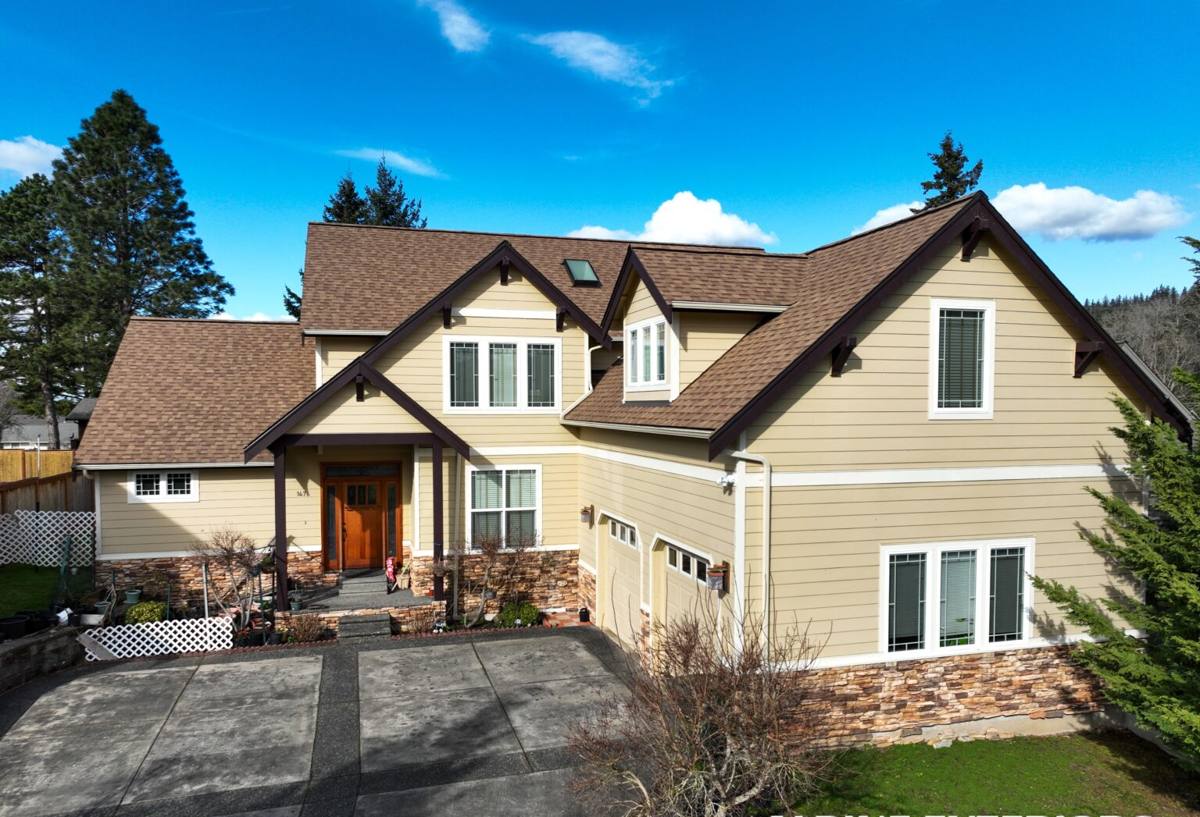
What Venice Homes Are Actually Dealing With
Salt Air and Fastener Corrosion
Being close to the Gulf means airborne salt settles on every exterior surface, including deck fasteners, joist hangers, and structural screws. Standard hardware corrodes faster here than it would even twenty or thirty miles inland. Corroded fasteners lose holding strength gradually and quietly — you won't see it until a board starts to lift, a railing gets loose, or a joist hanger pulls away from the ledger. By the time it's visible, the hardware has usually been failing for a while.
UV Breakdown
Florida sun is intense and constant, not seasonal. UV exposure dries out wood fibers, breaks down the surface layer of composite decking, and accelerates the failure of sealants and finishes. Wood decking that isn't resealed on a regular schedule will gray, crack, and splinter faster in Venice than in most of the country. Composite boards handle UV better structurally but can still fade or chalk on the surface over time.
Wind-Driven Rain and Moisture Intrusion
Sarasota County sees intense, sideways rain during storms, and that rain gets pushed into gaps that would stay dry in a normal downpour — ledger board connections, post bases, stair stringers, and butt joints between boards. Combined with humidity that keeps wood damp for longer stretches, this is where rot starts. It almost always begins from the inside of a joint or connection point, not the visible top surface.
Hurricane-Force Wind Loading
Deck framing and railing connections take real structural stress during tropical storm and hurricane-force winds, even when the deck isn't directly damaged. Repeated wind loading over years can work fasteners loose, rack railing posts, and stress ledger connections — problems that often surface as "the deck feels less solid than it used to" rather than any single visible failure.
How to Tell a Deck Needs Repair
- Boards that feel soft, spongy, or flex noticeably when you step on them
- Railings or posts that wobble or have visible gaps at their base
- Rust streaks running down from screws, nails, or joist hangers
- Gaps opening up between deck boards or at the ledger board where the deck meets the house
- Stair treads that feel loose or uneven
- Visible cracking, splintering, or graying wood that hasn't been resealed in a few years
- A musty smell or dark staining underneath the deck, especially near posts or the ledger
- Nails or screw heads popping up above the board surface
Any one of these on its own might be minor. Several together, especially near the same area of the deck, usually point to a moisture or fastener problem that's been developing for a while.
What a Correct Deck Repair Actually Involves
A lot of deck "repairs" amount to swapping out the boards that look bad and calling it done. That fixes the cosmetic problem but not necessarily the cause, and in a coastal climate the cause is usually more important than the symptom. Our approach starts underneath the surface, not on top of it.
1. Structural Inspection First
Before replacing anything, we check the framing: joists, beams, posts, and especially the ledger board connection to the house, which is the single most common failure point on any deck. We're checking for soft or rotted wood, corroded or failing hardware, and any sign that water has been getting into a connection it shouldn't be reaching.
2. Address the Cause, Not Just the Board
If a board failed because of a flashing gap at the ledger, replacing the board without fixing the flashing means the new board fails the same way in a few years. We fix the water path first — flashing, proper spacing between boards for drainage, sealing exposed end grain — then replace the damaged material.
3. Hardware Matched to the Environment
Given how much salt air corrodes standard fasteners in this area, we use corrosion-resistant, coastal-rated hardware on repairs — stainless steel or hot-dip galvanized fasteners and connectors rated for the exposure, not the cheapest option that happens to fit. It costs a little more up front and saves you from doing the same repair again in five years.
4. Matching Existing Material
For wood decks, we match species and dimension as closely as possible so the repair doesn't stand out or create an uneven wear pattern. For composite decking, matching brand and color line matters — composite fades slightly over time, and a mismatched replacement board is often more noticeable than the damage it replaced.
Wood vs. Composite: Repair Considerations
| Factor | Wood Decking | Composite Decking |
|---|---|---|
| Typical failure mode locally | Rot from moisture intrusion, UV drying/cracking, fastener corrosion | Surface fading/chalking, occasional core moisture issues at cut ends, fastener corrosion |
| Maintenance to prevent repairs | Reseal every 1-2 years in this climate; inspect fasteners annually | Periodic cleaning; sealing cut ends during any repair work |
| Repair approach | Board-by-board replacement, spot sanding, resealing | Board replacement with color/line match; capping exposed cut edges |
| Repair cost pattern | Generally lower material cost per board | Generally higher material cost, but fewer repeat repairs if maintained |
| Best fit | Homeowners willing to keep up a resealing schedule | Homeowners who want less recurring maintenance |
Neither material is wrong for Venice — both need the right hardware and correct water management to hold up here. We'll give you an honest read on which repair path makes sense for your specific deck rather than pushing one material over the other.
Our Process for Venice Deck Repairs
- Free on-site inspection — we walk the full deck, check framing from underneath where accessible, and test boards, railings, and connections by hand, not just by eye.
- Clear written estimate — what's being replaced, what hardware we're using, and why, before any work starts. No surprise scope changes.
- Repair, not just patch — we fix the underlying water or fastener issue alongside the visible damage.
- Coastal-rated materials — hardware and sealants chosen for salt air and UV exposure, not generic stock.
- Final walkthrough — we go over what was repaired, what to watch, and a realistic maintenance timeline for your specific deck.
Why a Local Crew Matters for This Job
Deck repair is one of those jobs where local experience actually changes the outcome. A crew that mostly works inland doesn't see the salt-driven fastener corrosion pattern often enough to know it's a priority, and may quote a repair that ignores hardware upgrades entirely. Working decks throughout Sarasota County, including Venice, means we've seen how ledger connections, post bases, and railing hardware actually fail here — not in a manual, but on real decks a few streets away from the Gulf. That translates into repairs that account for what this specific coastal stretch of Florida does to a deck over time, not a generic national approach applied to a Florida job.
It also means faster response and follow-up. If something needs a second look after the first hard rain or a named storm passes through, we're not driving in from across the state to check it.
Maintenance That Prevents the Next Repair
- Reseal wood decking every 1-2 years in this climate — UV and humidity break down finishes faster here than in most regions
- Inspect fasteners and hardware at least once a year for rust staining or looseness
- Keep the area under and around the deck clear so airflow can dry out moisture after storms
- Check the ledger board connection and flashing after major storms, since wind-driven rain concentrates there
- Clean composite decking periodically to prevent surface grime from trapping moisture
- Address small issues — a single loose board, a hairline crack — before the next rainy season, not after
Getting an Honest Assessment
Not every deck problem needs a full rebuild, and not every soft board means the whole deck is compromised. Part of our job is telling you clearly which one you're dealing with. If a repair will hold up given the deck's age, framing condition, and exposure, we'll say so. If the underlying structure has deteriorated to the point where repair is just delaying a bigger cost, we'll tell you that too, honestly and in plain terms, rather than pushing a repair that's more patch than fix.
If your deck in Venice is showing soft spots, loose railings, rust stains, or just doesn't feel as solid as it should, we're happy to take a look. Reach out for a free, no-pressure estimate — we'll inspect the deck, explain what we find, and give you a straightforward plan for fixing it right.