 Sarasota Siding
 New Roof Installation for Southside Village Homes
Southside Village sits close in to downtown Sarasota, and like most established in-town neighborhoods, it's a mix of older homes that have been through multiple re-roofs and newer builds still on their first system. Whichever category your house falls into, a new roof here has to answer to the same set of conditions every roof in Sarasota County deals with: sustained hurricane-force wind events, intense UV exposure nearly year-round, wind-driven rain that finds every weak seam, and salt-laden air that speeds up corrosion on fasteners and metal components. A roof that's engineered and installed correctly for this environment will outperform one that was simply installed to code minimums.
We work Southside Village regularly, which matters more than it sounds like. Knowing the neighborhood's mix of roof pitches, home ages, and common structural quirks means fewer surprises once we're on the roof deck, and a tighter, more accurate estimate up front.
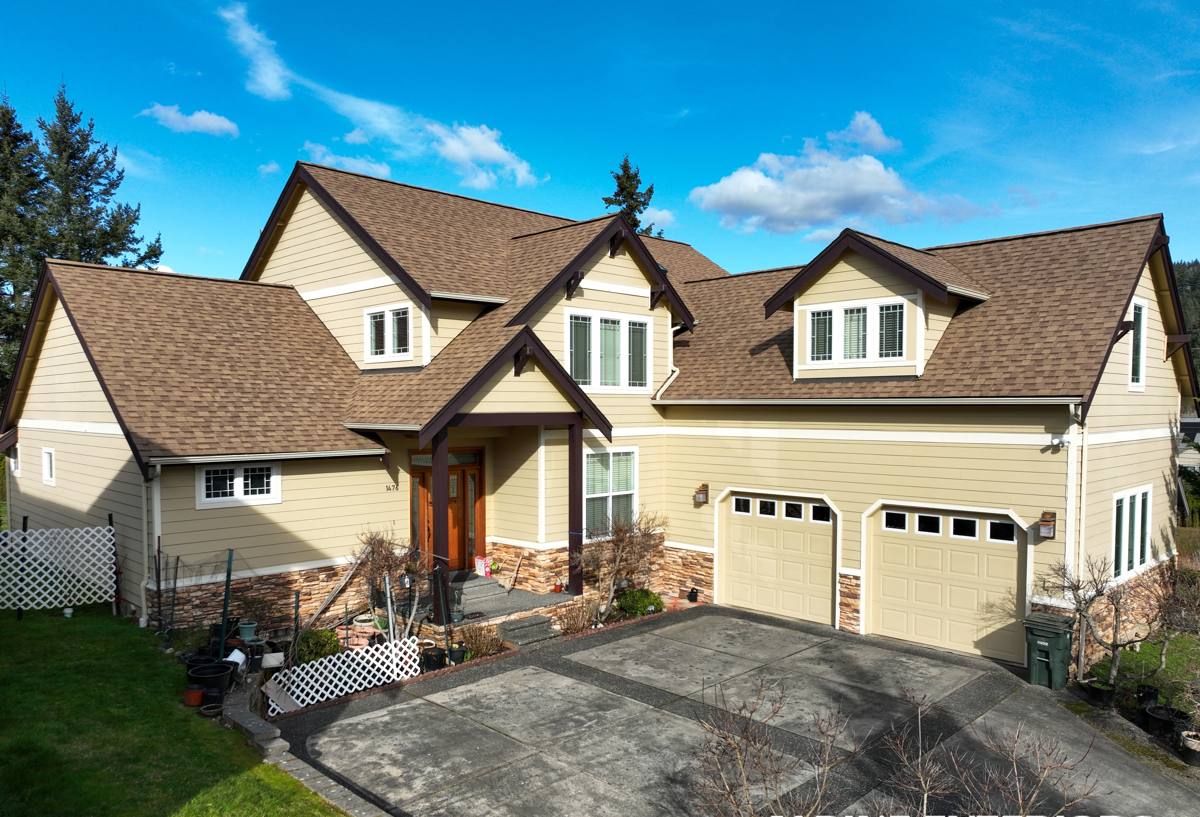
What Sarasota's Climate Actually Does to a Roof
Wind and Uplift
Sarasota isn't in the state's High-Velocity Hurricane Zone, but it's still squarely in a wind-borne debris region under the Florida Building Code, and it takes direct and glancing hits from tropical systems on a regular basis. The failure point in most storm-damaged roofs isn't the shingle or metal panel itself — it's the fastening. Under-nailed shingles, missed nailing patterns, or skipped starter strips are the difference between a roof that sheds a few tabs and one that peels back at the edge and lets water into the structure.
UV and Heat Cycling
Constant sun exposure breaks down asphalt shingle granules and dries out sealant strips faster than in most parts of the country. Roofs here age on an accelerated timeline compared to the same product installed further north, which is one reason we talk honestly with homeowners about realistic service life rather than quoting manufacturer numbers that assume a milder climate.
Wind-Driven Rain
Rain in a tropical storm or hurricane rarely falls straight down — it gets pushed sideways and upward under shingle tabs and around penetrations. This is why underlayment selection and detail work at valleys, flashings, and penetrations matter as much as the shingle or panel choice itself.
Salt Air
Southside Village's proximity to Sarasota Bay means airborne salt is a real factor, even a few miles inland. Salt exposure accelerates corrosion on exposed fasteners, uncoated flashing, and lower-grade metal components. It's a slow process, but it's cumulative, and it's part of why we spec corrosion-resistant materials as a default, not an upgrade.
What a Correct New Roof Installation Involves
A new roof is more than laying down shingles or panels. Every step below affects how the roof performs in the next major wind event, not just how it looks the day we finish.
- Tear-off and deck inspection — full removal of the old roofing material down to the deck, with every sheet of plywood or OSB checked for soft spots, delamination, or water staining.
- Deck repair — any compromised decking gets replaced before anything else goes down. Skipping this is the single most common shortcut in cheap re-roofs.
- Fastening the deck itself — on many older Southside Village homes, deck fastening was never brought up to current code during past re-roofs. We check this and correct it where needed, since it directly affects wind uplift resistance.
- Underlayment — a self-adhering, peel-and-stick underlayment at eaves, valleys, and penetrations gives real secondary water protection if the primary roofing surface is ever compromised in a storm.
- Flashing — new flashing at every wall intersection, chimney, skylight, and penetration. Reusing old flashing is a common corner-cutting move we don't do.
- Field installation — shingles, metal panels, or tile installed to the fastening pattern and exposure specified for the product and the local wind zone, not a generic average.
- Ventilation — intake and exhaust balanced correctly, which affects both attic heat buildup in our climate and the manufacturer's warranty validity.
- Final inspection and cleanup — magnetic sweep for nails, site cleanup, and a walk-through before we call the job done.
Choosing a Roofing System for Southside Village
There's no single "best" roof for every house in the neighborhood — it depends on the home's structure, roofline, budget, and how long you plan to own it. Here's an honest comparison of the main options we install.
| Roofing Type | Wind Performance | Typical Lifespan Here | Trade-offs |
|---|---|---|---|
| Architectural asphalt shingle | Strong when installed with proper nailing and sealant strips | 15-25 years in this climate | Most affordable upfront; UV and heat shorten lifespan versus cooler climates |
| Standing seam metal | Excellent uplift resistance with proper clip spacing | 30-50 years | Higher upfront cost; needs correct fastener and clip spec to avoid oil-canning and corrosion issues |
| Concrete or clay tile | Very good when tiles are properly fastened/adhered | 30-50+ years | Heaviest option — requires structural check; individual tile replacement after storms is more involved |
We'll walk you through which of these actually fits your roof structure and budget rather than steering every homeowner toward the same product.
Permits, Inspections, and Wind Mitigation
A new roof in Sarasota requires a permit and inspections through the applicable local building department, and the work has to meet current Florida Building Code wind provisions for our region — not the code that was in effect when the house was originally built. We pull the permit, schedule the required inspections, and handle the paperwork so nothing holds up your final sign-off.
One thing worth knowing: a properly documented new roof installation often qualifies you for a new wind mitigation inspection, which can lower your homeowner's insurance premium. We provide the documentation needed for that inspection as part of the job — it's a real, tangible benefit beyond the roof itself.
Common Issues We See on Southside Village Roofs
- Older homes with multiple re-roof layers where a prior roof was installed directly over an existing layer instead of a full tear-off
- Deck fastening that predates current wind code requirements
- Corroded or improperly flashed penetrations from HVAC, plumbing, or old satellite mounts
- Ventilation that was never balanced, leading to attic heat buildup and premature shingle aging
- Valley and wall-flashing details patched over rather than properly replaced during past repairs
- Roofs nearing the end of insurability — many carriers in this market flag roofs over a certain age regardless of visible condition
Our Process, Start to Finish
1. On-Site Inspection and Estimate
We walk the roof, check the attic where accessible, and give you a written estimate that spells out materials, scope, and price — no vague allowances.
2. Material Selection
We go over the realistic options for your roof structure, budget, and how long you plan to stay in the home, including manufacturer and color choices.
3. Permitting
We handle the permit application and scheduling with the local building department before work starts.
4. Installation
Tear-off, deck repair as needed, underlayment, flashing, and field installation, generally completed within a matter of days depending on roof size and weather.
5. Inspection and Cleanup
Final building department inspection, full site cleanup including a magnetic nail sweep, and a walk-through with you before we consider the job finished.
6. Wind Mitigation Documentation
We provide the paperwork you'll need to schedule a fresh wind mitigation inspection for your insurance carrier.
Why a Crew That Works This Neighborhood Matters
A roofing crew that already works Southside Village regularly has a working knowledge of the neighborhood's typical roof pitches, common structural ages, and the kind of deck and flashing issues that show up repeatedly here. That translates into a more accurate estimate the first time, fewer change orders mid-project, and a crew that isn't learning the neighborhood's quirks on your dime. It also means we're a short drive away if you ever need us back for a warranty check or storm-related question — not a crew that disappears to the other side of the county once the check clears.
Cost Factors to Expect
Every roof is different, but the main variables that move the price on a new roof installation are consistent across the board:
| Factor | Why It Matters |
|---|---|
| Roof size and pitch | More square footage and steeper pitches increase material and labor time |
| Existing layers | Roofs with multiple old layers require more tear-off labor and disposal |
| Deck condition | Rotted or delaminated decking adds material and labor to replace before roofing begins |
| Material choice | Asphalt shingle, metal, and tile carry significantly different material and installation costs |
| Roof complexity | Valleys, dormers, chimneys, and skylights each add flashing detail work |
We give straight, itemized numbers during the estimate so you know exactly what's driving the price, not a single lump figure with no explanation.
If your Southside Village home needs a new roof, we're happy to come take a look. The estimate is free, there's no pressure, and you'll get a straight answer about what your roof actually needs — not just an upsell.