 Sarasota Siding
 Windows Built for Venice's Coastal Conditions
Venice sits on the Gulf, which means its homes take a harder beating from weather than houses even twenty miles inland. Salt-laden air, wind-driven rain, intense year-round UV, and the real threat of hurricane-force winds all work against ordinary windows. If you own a home in Venice — whether it's a mid-century concrete block house near the historic district, a canal-front property, or a newer build closer to I-75 — your windows are one of the most exposed, most failure-prone parts of the building envelope. Getting a window installation right here isn't just about looks or comfort. It's about keeping wind and water out of your walls during a storm and keeping your energy bills sane the other 360 days of the year.
This page covers what window installation actually involves for Venice homes specifically: the local conditions that matter, what Florida code requires, how we approach the job, and what to expect in terms of cost and process.
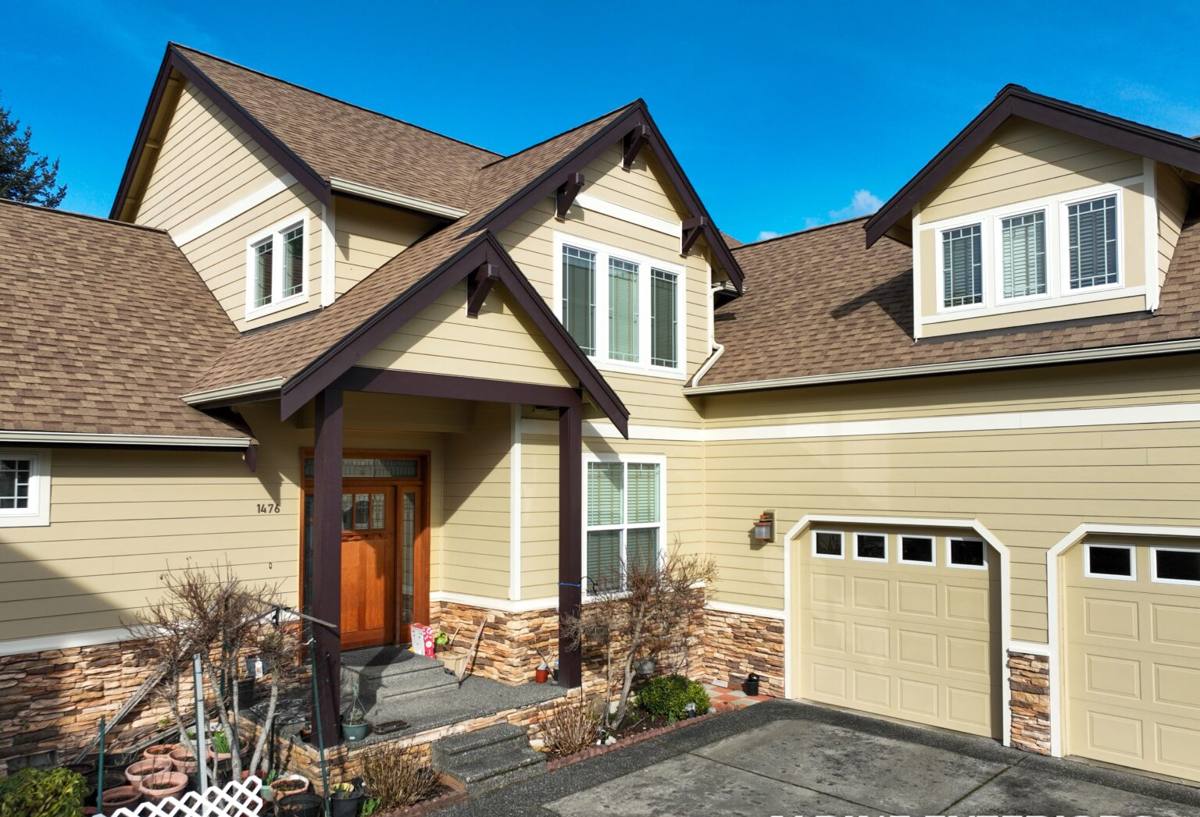
Why Venice Homes Have Unique Window Needs
A lot of Venice's older housing stock — particularly on Venice Island and in the neighborhoods that grew up around it — still has original single-pane aluminum windows from decades past. Those frames were never designed for today's wind loads, and single-pane glass does almost nothing to block heat or UV. On top of that, aluminum corrodes over time in salt air, especially on homes near the canals or closer to the Gulf, where salt spray settles on window frames and hardware even when a storm is nowhere near.
Newer construction in and around Venice generally already has impact-rated or code-compliant windows, but even those need correct installation and maintenance — flashing, sealant, and weep systems degrade under constant UV and moisture cycling, and a poorly sealed newer window can fail just as badly as an old one.
Conditions we specifically account for
- Wind load: Sarasota County is inside Florida's wind-borne debris region, so replacement windows generally need to meet impact or protected-opening standards under the Florida Building Code.
- Salt air corrosion: homes closer to the Gulf and canal-front properties see faster degradation of frame hardware, screws, and unprotected metal components.
- UV exposure: constant Florida sun breaks down cheap vinyl, dries out sealants, and fades interior finishes near windows faster than in most other parts of the country.
- Wind-driven rain: water doesn't just fall straight down in a tropical storm — it drives sideways into any gap in flashing or sealant, which is where most water intrusion problems start.
What Florida Code Requires for Window Replacement
Window replacement in Venice isn't a swap-it-yourself weekend project if you want it done right and legally. Because the property falls within Florida's wind-borne debris region, replacement windows typically need to be impact-rated or paired with approved storm protection, and the installation needs to be permitted and inspected through the local building department. Bedroom windows also have to meet egress requirements — meaning they need to open wide enough and low enough for someone to escape or be rescued in an emergency, which sometimes limits which window styles are appropriate for a given room.
Energy code also comes into play — Florida sets minimum performance standards for glass and framing, which affects which window products are even legal to install, regardless of what look you're going for.
What this means in practice
- Permitting and inspection are part of a legitimate window installation job — not an optional extra.
- The specific product you choose needs a valid impact rating or design pressure rating for your home's exposure category.
- Bedroom and certain other rooms have minimum opening size requirements that limit window style choices.
- Skipping permits may save time up front but can create real problems at resale, insurance claims, or future renovations.
Choosing the Right Window for a Venice Home
There isn't one "best" window for every house — it depends on exposure, budget, and how the home is built. Concrete block homes, which are common in Venice, generally have more installation flexibility than frame construction because of the solid substrate. Here's how the common frame materials generally compare for this climate:
| Frame Material | Salt Air / Corrosion Resistance | UV Durability | Maintenance |
|---|---|---|---|
| Vinyl (quality, UV-stabilized) | Good — won't corrode | Good if UV-stabilized; cheaper vinyl can yellow or warp | Low |
| Aluminum | Fair — prone to corrosion near the Gulf without proper coating | Good structurally, but finish can fade | Moderate — hardware and coatings need periodic attention |
| Fiberglass | Excellent — very stable in coastal conditions | Excellent | Low |
| Wood / wood-clad | Poor without diligent upkeep — not well suited to direct salt exposure | Requires regular refinishing | High |
Glass matters as much as the frame. Impact-rated laminated glass is the standard we recommend for most Venice homes because it addresses wind-borne debris code requirements without relying on separate shutters that have to be installed before every storm. Low-E coatings also make a real difference here — they cut down radiant heat gain from that constant Florida sun, which shows up directly in cooling costs.
Impact Windows vs. Shutters: An Honest Comparison
Homeowners often ask whether they need impact-rated windows if they already have hurricane shutters, or vice versa. Both approaches satisfy the wind-borne debris protection requirement, but they behave differently day to day.
- Impact windows are protected all the time — no deployment needed, better daily UV and noise performance, and no risk of shutters not going up in time before a fast-moving storm.
- Shutters paired with standard glass usually cost less up front but require someone to install them before every storm, some storage space, and ongoing hardware maintenance to keep tracks and latches functional.
- Many homeowners land on a mix: impact glass on the openings that are hardest to protect quickly (upper floors, awkward angles) and shutters elsewhere to manage budget.
How We Approach a Window Installation in Venice
The install itself is where most of the long-term performance is won or lost — the product only performs as well as the flashing, sealing, and fastening around it.
Our process
- On-site assessment: we check existing frame condition, wall substrate, wind exposure category for your specific lot, and any egress or code issues before recommending products.
- Product selection: we walk through impact ratings, frame material, and glass options based on your budget and how exposed the home is to Gulf weather.
- Permitting: we handle the paperwork and coordinate inspections through the local building department so the job is documented and legal.
- Removal and prep: old windows come out carefully to protect the surrounding wall and stucco or siding, and we inspect the opening for hidden water damage or rot before anything new goes in.
- Flashing and sealing: this is the step that actually keeps wind-driven rain out — proper flashing tape, backer rod, and sealant matched to the substrate, not just a bead of caulk around the frame.
- Installation and fastening: windows are set plumb and level, fastened to meet the design pressure rating for your home, and shimmed correctly so the frame isn't stressed.
- Final inspection and walkthrough: we confirm proper operation, check seals, and make sure everything is ready for the building department's inspection.
Signs Your Venice Home Needs New Windows
- Single-pane glass or visibly outdated aluminum frames, especially on an older Venice Island or canal-front home.
- Fogging or moisture between panes on double-pane windows — a sign the seal has failed.
- Frames that feel soft, chalky, or corroded, particularly near the coast or a canal.
- Difficulty opening, closing, or locking windows — often a sign of frame warping or hardware failure.
- Drafts, water staining, or musty smells near window frames after heavy rain.
- Rooms that feel noticeably hotter than the rest of the house or a spike in cooling costs.
- Existing windows with no visible impact rating label or unknown storm protection status.
What Affects Window Installation Cost
Costs vary widely based on the specifics of the job, but the main factors are consistent from house to house:
| Cost Factor | Why It Matters |
|---|---|
| Number and size of openings | More and larger windows mean more material and labor |
| Impact rating requirements | Impact-rated glass and reinforced frames cost more than standard glass |
| Frame material | Fiberglass and quality vinyl typically cost more up front than basic aluminum but need less upkeep |
| Wall condition | Rot, hidden water damage, or out-of-square openings add repair time before install |
| Permitting and inspection | Required by code in the wind-borne debris region; adds administrative time but protects you long-term |
| Access and home layout | Second-story or hard-to-reach windows take more labor to remove and set safely |
We give straightforward, itemized estimates so you know what you're paying for — product, labor, and permitting — rather than a single vague number.
Why It Matters to Hire a Crew That Already Works Venice
A window installer who works across Sarasota County regularly already knows the local building department's permitting expectations, the wind exposure realities of Gulf-adjacent homes, and how salt air affects different frame materials over time. That familiarity shows up in fewer surprises — correct permits filed the first time, product recommendations that actually fit your home's exposure category, and installation details (flashing, fastener spacing, sealant choice) that hold up through actual hurricane seasons rather than just passing a photo inspection. It also means a crew that's accountable locally if something needs adjustment after the fact, not a company that installed once and moved on.
If your Venice home has aging windows, visible corrosion, or you're just not sure whether your current windows meet current wind-borne debris requirements, we're happy to take a look. Reach out for a free, no-pressure estimate using the form below — we'll walk the property, answer your questions honestly, and give you a clear picture of your options before you decide anything.