 Sarasota Siding
 Roofing in Venice Isn't Roofing Anywhere Else
Venice sits close enough to the Gulf that salt air is part of daily life, and far enough south that the sun overhead in July is doing real damage to a roof, not just warming it up. Add in hurricane-season wind loads and the kind of wind-driven rain that finds every weak seam in a roof system, and you've got a climate that's genuinely hard on asphalt shingles. A roof that would coast along for decades in a drier, cooler part of the country can start showing granule loss, curling, and flashing failures years ahead of schedule here if it wasn't installed correctly from the start.
That's the core of what we focus on with asphalt shingle roofing in Venice: not just laying shingles, but building the whole system — underlayment, flashing, fasteners, ventilation — to actually hold up to Sarasota County conditions instead of just looking finished on installation day.
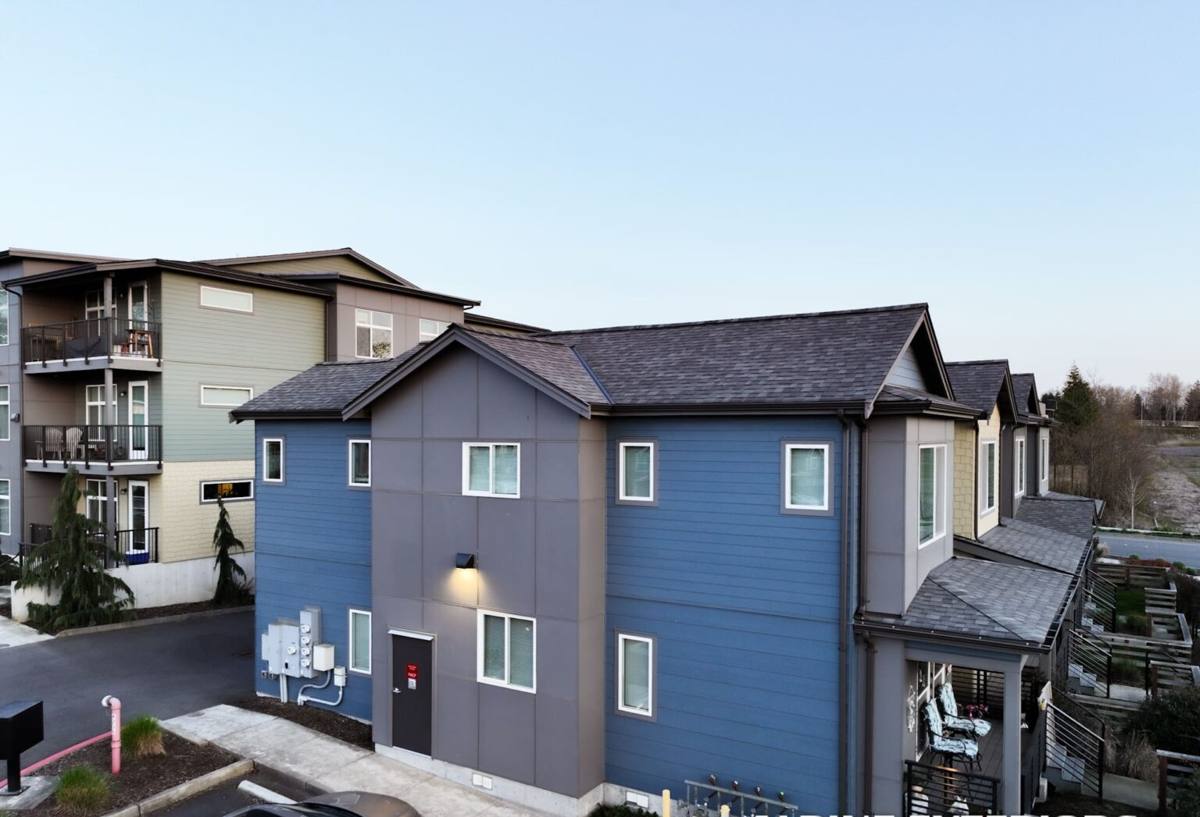
What Venice Homes Actually Need From a Roof
Wind Resistance That Matches the Real Exposure
Venice doesn't sit in Florida's High-Velocity Hurricane Zone, but it's squarely inside the state's wind-borne debris region, and every roofing job here has to meet current Florida Building Code wind and moisture requirements for that reality. That means correct fastener count and placement per shingle, not the minimum a crew can get away with, and shingle products rated for the wind speeds this area is actually exposed to during tropical storms and hurricanes.
Moisture Control, Not Just Waterproofing
Wind-driven rain during a tropical storm doesn't fall straight down — it gets pushed sideways and up under shingle edges, around vents, and along valleys. A roof built for Venice needs underlayment and flashing detailing that accounts for that, especially at penetrations like vent stacks, chimneys, and skylights, where most leaks actually start.
UV and Heat Tolerance
Year-round intense sun breaks down asphalt shingle oils and accelerates granule loss, which is what protects the shingle mat underneath from UV degradation in the first place. Attic heat buildup compounds this from underneath, which is why ventilation isn't optional here — it's a durability issue, not just a comfort one.
What a Correctly Installed Asphalt Shingle Roof Involves
A shingle roof is a system, and skipping any layer of it shows up later as a leak, a wind loss, or a shortened lifespan. On every Venice roofing job, that system includes:
- Deck inspection and repair — soft or delaminated sheathing gets replaced before anything goes back on top of it
- A code-compliant underlayment layer, with self-adhering membrane at eaves, valleys, and other vulnerable areas
- Drip edge and starter strip installed correctly at the roof perimeter, not skipped to save material
- Proper shingle nailing pattern and fastener count for the specific product and the local wind rating requirement
- Step flashing and counter-flashing at walls, chimneys, and any roof-to-wall transitions
- Pipe boot and vent flashing sized and sealed correctly, since these are the most common source of small, slow leaks
- Balanced intake and exhaust ventilation so the attic isn't trapping heat and moisture under the deck
Any one of these done wrong won't necessarily fail on day one. It fails two, five, or ten years later, usually during the exact kind of storm the roof was supposed to be built for.
Choosing the Right Shingle for a Venice Roof
Not every asphalt shingle product sold is a good fit for a coastal Gulf Coast climate. We steer homeowners toward products with strong wind ratings and algae resistance, and we're honest about the trade-offs between shingle classes rather than just upselling the most expensive option.
| Shingle Type | Typical Lifespan Here | Wind Performance | Best Fit |
|---|---|---|---|
| 3-tab asphalt | Shorter end of the range, especially with direct sun and salt exposure | Lower wind rating than architectural options | Budget-conscious rentals or short-hold properties |
| Architectural (dimensional) asphalt | Longer, with proper install and maintenance | Higher rated, better suited to this climate | Most owner-occupied Venice homes |
| Impact-rated / high-wind asphalt | Comparable to architectural, with added storm resistance | Highest asphalt-category wind and impact rating | Homes seeking insurance premium credits or added storm protection |
We'll walk through what's actually available, what each option costs installed, and what the trade-offs are for your specific roof — no pressure toward the priciest tier if a mid-range architectural shingle is the honest right call for your home and budget.
Signs a Venice Roof Needs Attention
Because shingle damage often starts small and out of sight, it helps to know what to actually look for from the ground or during a routine walk around the house:
- Granules collecting in gutters or at downspout outlets
- Shingle edges that look curled, lifted, or cupped
- Cracked, torn, or missing shingles after a storm
- Dark streaking or algae staining across shingle faces
- Soft spots, sagging, or discoloration on interior ceilings
- Visible rust or gaps around flashing and vent boots
- Daylight visible through the attic decking
Any one of these on its own might just mean routine maintenance. Several together, especially after a named storm, usually means it's worth a proper inspection before the next one.
Repair or Replace? What Actually Drives That Decision
We don't default to recommending a full replacement just because a homeowner calls about a leak. The right call depends on the roof's age, how localized the damage is, and what condition the deck and underlayment are in underneath the shingles.
| Factor | Favors Repair | Favors Replacement |
|---|---|---|
| Roof age | Younger roof, well within expected service life | Nearing or past typical lifespan for the shingle type |
| Damage extent | Isolated to one area — a vent, a valley, a wind-lifted section | Widespread granule loss, curling, or multiple leak points |
| Deck condition | Sheathing solid, no rot or delamination found | Soft, stained, or delaminated decking discovered |
| Insurance/storm history | Minor, documented isolated damage | Significant wind or impact damage across the roof plane |
If a repair is the honest answer, that's what we'll recommend and quote. Replacement only makes sense when the roof, deck, or underlying system is genuinely past the point where patching it is a responsible long-term fix.
Ventilation and Energy Costs
An asphalt shingle roof over a poorly ventilated attic runs hotter than it should, and that heat works against the shingles from underneath while also pushing your cooling costs up. When we replace or install a roof, we evaluate intake ventilation at the soffits and exhaust at the ridge or through roof vents, and correct the balance where it's off. This isn't an upsell add-on — it's part of building a roof system that performs the way it's supposed to in this heat.
Permits, Code, and Insurance Considerations
Roofing work in Sarasota County requires a permit, and the finished job needs to meet current Florida Building Code requirements for wind resistance and moisture protection. We handle permitting and inspection scheduling as part of the job rather than leaving it to the homeowner to track down. We'll also provide the documentation many insurance carriers want to see for wind mitigation credits — proper nailing pattern, secondary water barrier, and other verifiable install details — since that paperwork can meaningfully affect a homeowner's premium.
Our Process, Start to Finish
- On-site inspection of the existing roof, deck, and ventilation, with photos and an honest assessment of what's actually needed
- A written estimate that breaks down materials, labor, and scope — no vague lump-sum guessing
- Permit pulled with Sarasota County before any work begins
- Tear-off and deck inspection, with any needed sheathing repairs addressed before underlayment goes down
- Underlayment, flashing, ventilation, and shingle installation done to code and manufacturer specification
- Final walkthrough and county inspection, plus documentation for insurance if needed
- Site cleanup, including a magnetic sweep for stray nails
Why a Local Venice Crew Matters
A roofing crew that regularly works Venice and the surrounding Sarasota County area already knows what this climate does to a roof over time, what the local permitting process actually requires, and which details — flashing at wall transitions, fastener schedules, ventilation balance — matter most given the wind and salt exposure here. That's different from a crew installing the same shingle product they'd use in a mild inland climate and hoping it holds up. We're not guessing at what Venice roofs need; we're building for it.
If you're dealing with an aging roof, storm damage, or you're just planning ahead before your current roof becomes an emergency, we're happy to take a look and give you a straight answer. Reach out for a free, no-pressure estimate using the form below.