 Sarasota Siding
 Metal Roofing Built for Venice, Not Just Installed in Venice
Venice sits close enough to the Gulf that salt air, humidity, and coastal wind are part of daily life for every roof in the area, not just the ones a block from the water. A metal roof that's correctly specified and installed for this environment can be one of the lowest-maintenance, longest-lasting options a homeowner can put on their house. One that's installed the way it would be installed inland, without accounting for Venice's specific conditions, tends to show problems early: fastener corrosion, coating breakdown, and leaks at penetrations that were never properly sealed for wind-driven rain. This page covers what actually matters for a metal roof on a Venice home, and what a correct installation looks like in this part of Sarasota County.
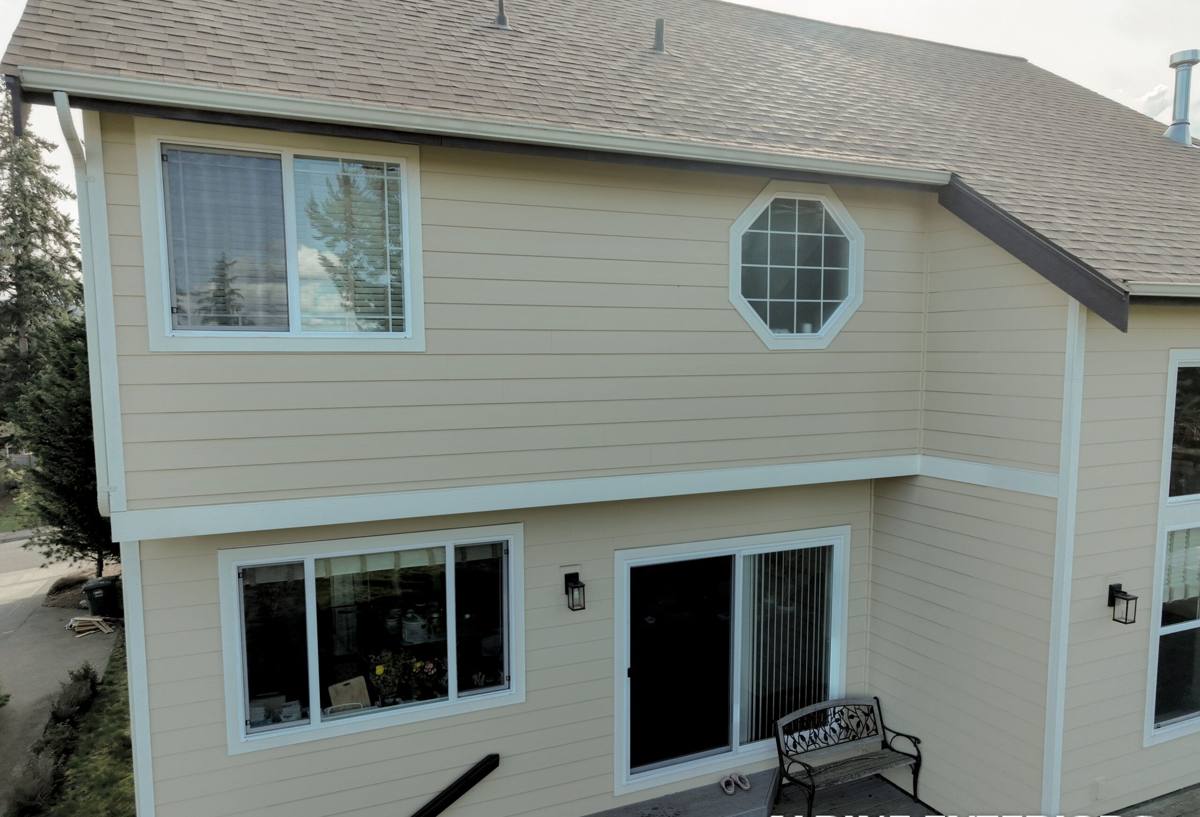
What Venice's Climate Actually Does to a Roof
Four factors drive almost every metal roofing decision we make for homes in this area:
Salt Air and Coastal Humidity
Airborne salt accelerates corrosion on any exposed metal, especially at fasteners, cut edges, and dissimilar-metal contact points. This doesn't mean metal roofing is a bad fit near the coast — it means the coating system, fastener grade, and detailing have to be chosen with salt exposure in mind rather than treated as an afterthought.
Year-Round, High-Intensity UV
Florida sun is harder on roofing materials than most of the country sees. UV breaks down coatings and sealants over time. Panel finishes and exposed sealants that aren't rated for this level of sun exposure will chalk, fade, or fail well ahead of schedule.
Wind-Driven Rain
Sarasota County storms rarely deliver rain straight down. Wind pushes water sideways and upward under laps, around penetrations, and into any gap in flashing that wouldn't be a problem in a calmer climate. Metal roofing sheds bulk water well, but the details at seams, valleys, and penetrations are what actually keep wind-driven rain out.
Hurricane-Force Wind Loads
Uplift is the real test for any roof covering in this region. A metal roof's wind performance comes down to the fastening pattern, panel attachment method, and how well the edges and ridge are secured — not just the metal itself.
Choosing the Right Panel System for a Venice Home
Not every metal roofing product performs the same way in a coastal, high-wind, high-UV environment. We walk homeowners through the trade-offs honestly rather than pushing whatever's easiest to install.
| Panel Type | How It's Fastened | Best Fit | Coastal Consideration |
|---|---|---|---|
| Standing Seam | Concealed clips, no exposed fasteners on the field | Homes wanting the longest service life and cleanest look | No exposed fastener heads means fewer long-term corrosion and leak points |
| Exposed-Fastener Panel | Screws driven through the panel face | Budget-conscious projects, outbuildings, some full re-roofs | Fastener washers and gaskets degrade faster in salt air and UV; need periodic inspection |
| Metal Shingle / Shake Profile | Interlocking panels, concealed or semi-concealed fasteners | Homeowners wanting a traditional shingle look with metal's durability | Overlap detailing at hips and valleys matters more in wind-driven rain |
For most Venice homes exposed to open sun and salt air over the long term, we steer clients toward standing seam or a quality concealed-fastener system. Exposed-fastener panels aren't wrong for every application, but we're upfront that they carry more long-term maintenance in this specific climate, since every screw penetration is a potential future leak point once the gasket ages.
What a Correct Installation Actually Involves
The panel is only one part of the system. Most metal roof failures we get called to inspect trace back to what's underneath or around the panels, not the metal itself.
Deck Inspection and Repair
Before anything goes down, the roof deck gets inspected for soft spots, moisture damage, and fastening integrity. Metal roofing only performs as well as what it's attached to.
Underlayment
A high-temperature-rated synthetic or self-adhered underlayment goes down as the roof's true water barrier. In a humid, wind-driven-rain climate, this layer is doing more work than it would in a drier region, so we don't cut corners on underlayment grade to save on material cost.
Fastening Pattern and Attachment
Clip spacing (for standing seam) or screw pattern (for exposed-fastener systems) is set to meet current Florida Building Code wind provisions for our coastal wind zone — not a generic manufacturer minimum. Corners and eaves, which see the highest uplift pressure, get tighter spacing than the field of the roof.
Flashing and Penetration Details
Valleys, wall transitions, pipe boots, and any roof penetration are where wind-driven rain finds its way in. These get properly lapped, sealed, and — where called for — mechanically fastened, not just caulked over.
Fastener and Hardware Grade
We use fasteners and flashing hardware rated for coastal exposure. Mixing incompatible metals (which can trigger galvanic corrosion between the panel and hardware) is avoided by matching materials correctly from the start.
Ventilation
Proper ridge and soffit ventilation keeps heat and moisture from building up under the metal, which protects the deck and helps the whole system last as long as it should.
Our Process for a Venice Metal Roof
- On-site inspection of the existing roof, deck condition, and any problem areas (valleys, chimneys, skylights)
- Honest recommendation on panel type and system based on your home's exposure, roof shape, and budget
- Written estimate that spells out material, labor, tear-off (if needed), and disposal — no vague allowances
- Permit pulled through Sarasota County or the City of Venice as required before any work starts
- Tear-off of the old roofing (or overlay evaluation, when the deck and code allow it) and deck repair as needed
- Underlayment, flashing, and panel installation following the fastening pattern for your specific wind exposure
- Final walk-through with the homeowner and job-site cleanup, including magnetic sweep for stray fasteners
Repair, Overlay, or Full Replacement?
Not every metal roof problem in Venice means a full tear-off. We assess each situation on its own merits:
| Situation | Typical Approach |
|---|---|
| Isolated leak at a single penetration or seam | Targeted repair and re-flashing |
| Fastener backing out or gasket failure on an exposed-fastener roof | Fastener replacement and inspection pass across the roof |
| Widespread corrosion, coating failure, or storm damage | Full replacement, since patching a system that's failing broadly rarely holds up |
| Sound existing metal roof nearing the end of its finish life | Recoat or panel replacement evaluation, case by case |
What Drives Cost on a Venice Metal Roof
| Factor | Why It Matters |
|---|---|
| Panel system chosen | Standing seam costs more upfront than exposed-fastener panels but typically needs less long-term maintenance |
| Roof complexity | More valleys, hips, dormers, and penetrations mean more flashing labor |
| Deck condition | Rotten or undersized decking found during tear-off adds repair cost before panels can go on |
| Tear-off vs. overlay | Removing old roofing adds labor and disposal cost but lets us properly inspect and repair the deck |
| Roof pitch and access | Steep or hard-to-access roofs take longer and require more safety setup |
We give straightforward, itemized estimates rather than a single lump number, so homeowners can see exactly what's driving the cost and where there's room to adjust scope if needed.
Maintenance That Actually Matters in This Climate
- Rinse accumulated salt residue off the roof surface periodically, especially on homes closer to open water
- Keep gutters and valleys clear so wind-driven rain has a clear path off the roof
- Have fasteners on exposed-fastener systems checked periodically for backing out or gasket wear
- Trim back overhanging branches that can scratch coatings or drop debris into valleys
- After any major wind event, have the roof visually inspected for lifted panels, loose flashing, or fastener damage
- Avoid pressure washing directly against panel seams and fasteners, which can force water where it shouldn't go
Why a Local Venice Crew Makes a Real Difference
Metal roofing installed correctly for Venice looks different from metal roofing installed correctly for a drier, calmer climate inland. A crew that already works Sarasota County knows the wind exposure this area actually sees, has already been through the local permitting process, and isn't learning coastal detailing for the first time on your roof. That familiarity shows up in the small decisions — fastener spacing at a windy corner lot, flashing choices near open water, panel selection for a home that gets sun most of the day — that determine whether a metal roof lasts the way it's supposed to.
If you're weighing options for a metal roof in Venice, we're happy to take a look and give you a straight answer on what your home actually needs. Reach out for a free, no-pressure estimate using the form below.