 Sarasota Siding
 Venice Roofs Take a Different Kind of Beating
Venice sits right on the Gulf, which means every roof here is doing double duty: shedding wind-driven rain during summer storms and holding up under near-constant UV exposure the rest of the year. Add in the salt air that drifts inland off the coast and the occasional direct hit from a tropical system during hurricane season, and it's no surprise that roofs in this part of Sarasota County age differently than they would further inland. Repairs that would stay minor in a drier, cooler climate can turn into real leaks fast once the underlying materials have already been softened by heat and humidity.
We repair roofs across Venice and the surrounding Sarasota County communities, and the patterns we see are consistent: flashing failures, wind-lifted shingles or tiles, and slow leaks that started small and got ignored until they showed up as a stain on a ceiling. Catching and fixing these issues early is almost always cheaper than waiting for them to spread, and it's a large part of why we treat every service call as a full-roof inspection rather than a quick patch.
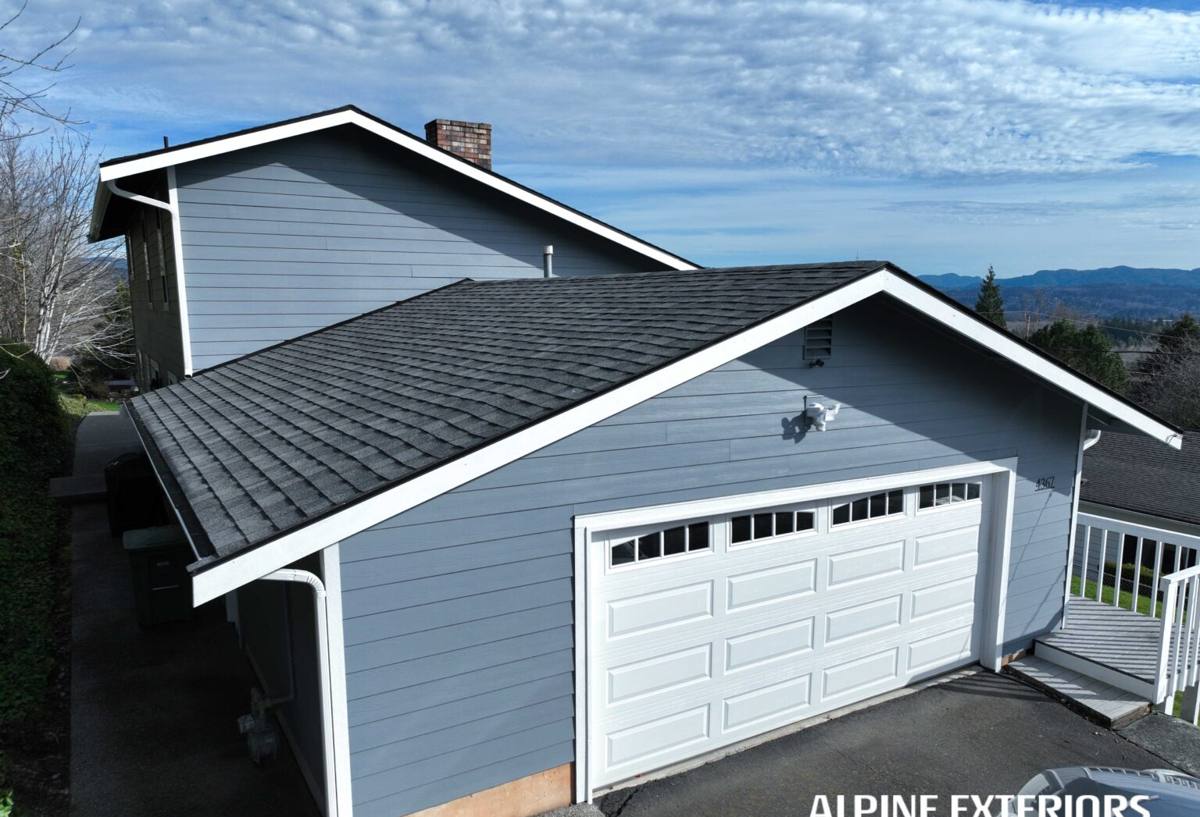
Common Roof Repair Issues We See in Venice Homes
Wind and Storm Damage
Sustained coastal winds and hurricane-season gusts can lift shingles, crack tiles, or peel back underlayment at edges and ridge lines — the areas under the most uplift pressure. Sometimes the damage is obvious right after a storm. Often it isn't, and a roof carries a small vulnerability quietly until the next heavy rain pushes water through it. That's why a post-storm check, even after a system that didn't feel especially severe, is worth doing before assuming everything is fine.
Flashing and Penetration Leaks
Flashing around chimneys, skylights, vent stacks, and where a roof meets a wall or a lanai does more of the leak-prevention work than most homeowners realize. It's also usually the first thing to fail — sealant dries out in the sun faster here than in milder climates, metal corrodes quicker near salt air, and small gaps open up that let water track along rafters or trusses well before it ever shows as a visible drip. Flashing failures are also one of the more affordable fixes when caught early, which makes them a good example of why waiting rarely pays off.
UV and Heat Breakdown
Florida sun is hard on roofing materials year-round, not just in summer. Asphalt shingles lose granules and become brittle; sealants and adhesives dry out ahead of schedule; darker roof surfaces run hotter and accelerate that process further. A roof that looks fine from the ground can already have compromised spots where UV exposure has simply outpaced the material's expected lifespan.
Ponding and Drainage Problems
Flat or low-slope sections — common over lanais, additions, and porch roofs, including on homes where those spaces were added on after the original build — are more prone to ponding water after Florida's frequent heavy downpours. Standing water finds every weak seam eventually, so these areas need attention that sloped shingle or tile fields simply don't require.
Signs Your Roof Needs Repair Now
Some warning signs are easy to spot from the ground or attic; others aren't. If you notice any of the following, it's worth having someone look before the next storm rolls through the area:
- Missing, cracked, curling, or lifted shingles or tiles
- Granules collecting in gutters or at the base of downspouts
- Ceiling stains, especially ones that appear or grow after rain
- Soft or discolored spots on interior ceilings or attic decking
- Visible daylight through the roof deck from inside the attic
- Rusted, lifted, or gapped flashing around chimneys, vents, or walls
- Sagging sections, particularly over a lanai or porch roof
- A noticeable rise in indoor humidity or a musty attic smell
None of these automatically mean you need a new roof. Most of them are exactly the kind of thing a targeted repair is built to fix — but only if they're caught before water damage spreads further into the structure, drives up mold risk, or reaches electrical and insulation that cost far more to repair than the roof itself.
What a Proper Roof Repair Actually Involves
A repair that's done right isn't just patching the spot you can see. It means tracing how water actually got in, since the entry point and the visible stain are often in different places once you account for how water travels along a roof deck or truss before it drips somewhere convenient to notice.
- Inspection — we check the full roof, not just the reported problem area, since storm and UV damage rarely stays isolated to one spot.
- Diagnosis — we trace the actual path water is taking, which often means checking flashing, valleys, and penetrations near the visible damage rather than assuming the leak sits directly above the stain.
- Repair — damaged shingles, tiles, underlayment, or flashing are removed and replaced with materials matched to the rest of the roof wherever possible.
- Sealing and finishing — all flashing, fasteners, and transitions are resealed to current standards, not just patched over the old sealant.
- Documentation — we walk you through what we found and what we did, including photos of anything that was hidden from view, so you have a record for insurance or future reference.
Repair or Replace? How We Help You Decide
Not every damaged roof needs to come off. But a repair is only the right call when the roof's overall structure and remaining material life can actually support it. We weigh age, extent of damage, and how the roof has held up through prior storms before recommending either path.
| Factor | Leans Toward Repair | Leans Toward Replacement |
|---|---|---|
| Roof age | Under 10-15 years, or well-maintained | Near or past expected material lifespan |
| Damage extent | Isolated to one area or system (flashing, one slope) | Widespread across multiple slopes or systems |
| Storm history | First significant damage event | Repeated repairs after multiple storms |
| Underlying decking | Solid, dry decking beneath the damage | Soft, rotted, or water-stained decking |
| Insurance situation | Damage clearly tied to one storm event | Full-roof claim already approved or likely |
We'll tell you honestly which category your roof falls into. If a repair is the right, durable answer, that's what we'll recommend — a full tear-off isn't the right call just because it's the one already on the roof, and we'd rather give you a smaller, honest bill today than talk you into more work than the roof needs.
Materials and Methods Built for Gulf Coast Conditions
Not every repair material performs the same way this close to the water. We choose flashing, sealants, and fasteners with salt-air corrosion and UV breakdown in mind, not just whatever is fastest to install. That generally means corrosion-resistant metals for flashing, sealants rated for sustained heat and UV exposure, and fastening patterns that account for the uplift forces coastal wind actually produces on a Venice roof, not just code minimums written with milder climates in mind. On tile roofs, the underlayment beneath the tile matters as much as the tile itself, since a tile field can look intact while the waterproofing layer underneath has already failed from age and heat.
Whenever a repair touches shingles or tiles, we match material type, profile, and — where possible — color to what's already on the roof. A mismatched patch is a cosmetic problem today, and it can also behave differently under wind and rain than the surrounding material, creating a new weak point right where you just paid to fix one.
Why Local Experience in Venice Matters
A crew that already works Sarasota County regularly knows which parts of a roof tend to fail first in this climate, what a typical local storm does to flashing and edges, and how humidity and salt exposure shorten timelines on materials that might last longer inland. That's not something a generic inspection checklist fully replaces. It also means familiarity with local permitting and inspection expectations for roof repair work, so the paperwork side doesn't slow down a repair that should otherwise be straightforward.
It also means a faster response after a storm. When wind or heavy rain damages roofs across the area at once, a crew already working locally can get to you sooner than one dispatching from farther away — and can secure a temporary cover over an active leak before it causes further interior damage while the full repair gets scheduled.
Our Process, Start to Finish
Initial Contact and Inspection
We schedule a full roof inspection, not just a look at the spot you're worried about, since the visible problem is often not the only one worth addressing while we're already up there.
Clear, Written Estimate
You get a written scope of work and price before anything starts — what's being repaired, what materials are used, and why, so there are no surprises once the crew arrives.
The Repair Itself
Work is scheduled around weather, since a repair started right before a storm front isn't a repair done right. We protect the work area, including landscaping and any outdoor living space below, and clean up thoroughly when finished.
Follow-Up
We check in after the next significant rain event to confirm the repair is holding, and we're available if anything about the fix needs a second look.
What Roof Repair Typically Costs
Every roof and every repair is different, so we won't quote a number without seeing it in person — but the factors that move the price are consistent enough to explain up front.
| Factor | Effect on Cost |
|---|---|
| Size of the damaged area | Larger sections of shingles, tile, or decking increase material and labor cost |
| Roof pitch and accessibility | Steep, high, or hard-to-access roofs take longer and require more safety setup |
| Material type | Tile and metal repairs generally cost more than asphalt shingle repairs |
| Underlying deck condition | Rotted or soaked decking adds structural repair on top of the surface fix |
| Number of penetrations involved | More vents, skylights, or flashing points mean more sealing work |
As a general rule, isolated flashing or shingle repairs are the least expensive category of roof work, while repairs that involve replacing sections of decking or multiple roof systems cost more. Larger repairs can also require a permit depending on scope, which we handle as part of the job rather than leaving it for you to sort out. We'll always explain which category your repair falls into, and why, in plain terms, before we start any work.
If you're seeing signs of roof damage, or just want an honest opinion after a storm passed through Venice, we're glad to take a look. Reach out for a free, no-pressure estimate using the form below.