 Sarasota Siding
 Lakewood Ranch Roofs Work Harder Than Most
Lakewood Ranch sits inland from the Gulf, but that doesn't spare it from what Southwest Florida throws at a roof. Between tropical storm and hurricane season winds, sun that beats down on shingles nearly every day of the year, and the humidity that never really lets a roof deck fully dry out, an asphalt shingle roof here is under more sustained stress than the same roof would see almost anywhere outside the Gulf Coast. Add in wind-driven rain that gets pushed sideways under poorly sealed edges, and salt-laden air that drifts in off the coast and accelerates corrosion on fasteners and flashing, and you start to understand why a roof that would last thirty years in a mild climate can fail early here if it wasn't built for this specific environment.
We install and repair asphalt shingle roofs on homes throughout the Lakewood Ranch area, and the failures we get called out for follow a pattern: shingles that lifted at the edges because the nailing pattern was rushed, valleys that leak because the underlayment wasn't lapped correctly, and attics that cooked the shingles from underneath because ventilation was an afterthought. None of that is about the shingle brand. It's about whether the installation respected what this climate actually does to a roof.
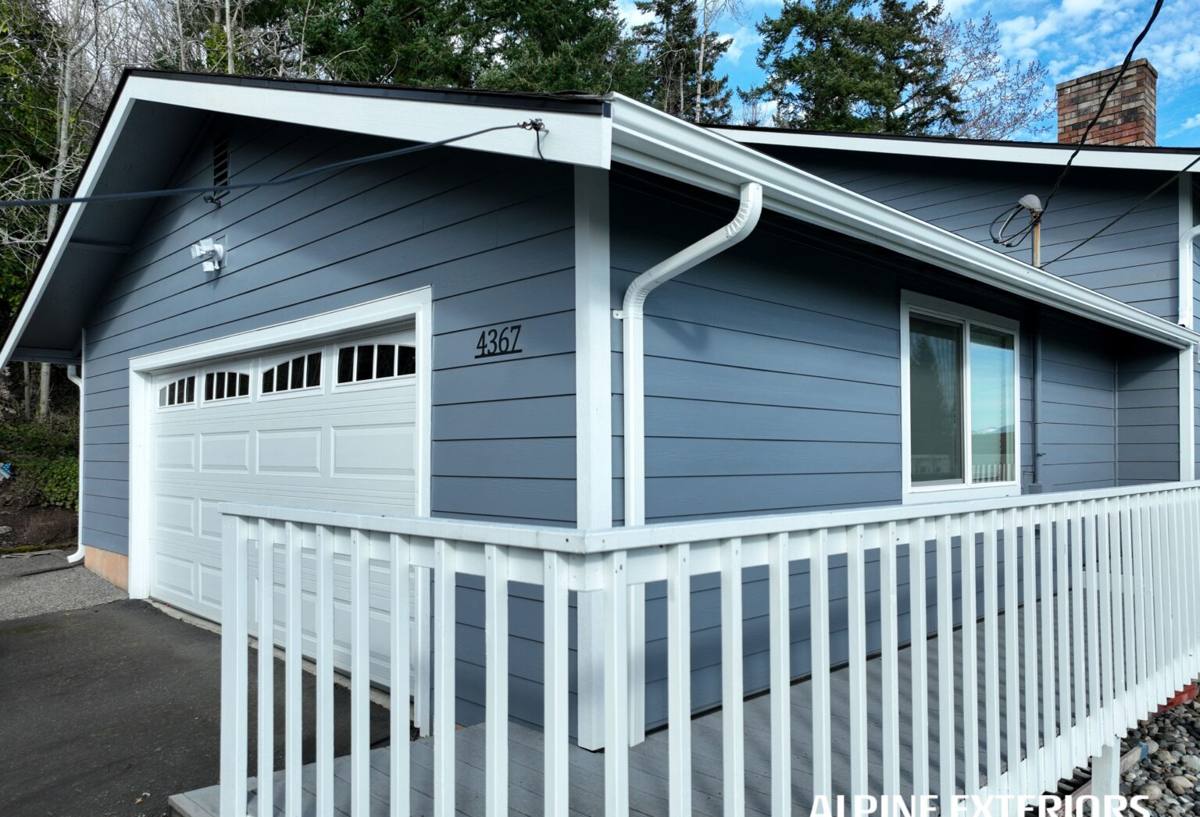
What a Correct Installation Looks Like Here
Asphalt shingle roofing looks simple from the ground, which is part of the problem — a rushed job and a correct one can look nearly identical until the first real windstorm. In Sarasota County, the details that separate the two matter more than in calmer inland climates.
Underlayment
We install a synthetic underlayment (or a self-adhered membrane in vulnerable areas like valleys and eaves) as the actual water barrier beneath the shingles. Shingles shed most of the water, but underlayment is what protects the deck when wind drives rain up and under the shingle edge, which happens regularly during Gulf Coast storms.
Fastening for Wind
Florida Building Code sets minimum nailing requirements for a reason. We follow the manufacturer's high-wind nailing pattern — correct nail count, correct placement in the nailing strip, correct nail type — because under-nailed shingles are the single most common cause of wind failure we see on older Lakewood Ranch roofs.
Flashing and Sealing
Step flashing at walls, counterflashing at chimneys, and properly sealed penetrations (vents, pipe boots, skylights) matter as much as the shingles themselves. Pipe boot failure from UV-cracked rubber is one of the most common slow leaks we find on roofs that are otherwise in decent shape.
Starter Strips and Ridge Caps
The starter course along eaves and rakes, and the ridge cap along the peak, take the most direct wind load on the entire roof. Skipping factory starter strip or under-nailing ridge cap is a shortcut that shows up as the first visible damage after a storm.
Choosing a Shingle That Suits This Climate
Not every asphalt shingle product performs the same way under Florida sun and wind. We talk homeowners through the real trade-offs rather than just upselling the most expensive option.
| Shingle Type | Wind Rating | Best For | Trade-Offs |
|---|---|---|---|
| 3-Tab | Typically lower wind ratings | Budget-conscious re-roofs, rental properties | Shorter lifespan in this climate, less impact and wind resistance |
| Architectural (Laminate) | Commonly rated for high wind when properly installed | Most Lakewood Ranch homes | Higher upfront cost, but far better durability-to-cost ratio here |
| Impact-Resistant (Class 4) | Highest wind and impact ratings available | Homes prioritizing storm resilience or insurance credits | Highest material cost; may qualify for insurance discounts |
We also weigh algae resistance. Florida's humidity encourages the dark algae streaking that shows up on north-facing slopes within a few years on lower-grade shingles. Algae-resistant shingle lines cost a little more but hold their appearance much longer in this climate, which matters in a community like Lakewood Ranch where curb appeal and HOA standards are part of daily life.
Our Process for a Lakewood Ranch Re-Roof
- On-site inspection — we check the deck, existing ventilation, flashing points, and current shingle condition before quoting anything.
- Honest scope and estimate — full tear-off versus repair, material options, and a written price with no vague allowances.
- Permitting — we pull the required permit and handle inspection scheduling so it isn't left to the homeowner.
- Tear-off and deck inspection — old material removed, deck checked for soft spots or water damage and repaired before anything new goes down.
- Underlayment and flashing installation — the water-management layer that does the real work in a storm.
- Shingle installation — correct nailing pattern, starter strip, and ridge cap to manufacturer and code wind specifications.
- Final walkthrough — we go over the finished roof and ventilation with the homeowner before calling the job done.
Attic Ventilation: The Part Homeowners Rarely See
A shingle roof doesn't fail from the top down as often as people assume — a lot of premature aging starts from the attic. Florida attics routinely hit temperatures well above the outside air on a sunny afternoon, and if that heat has nowhere to escape, it bakes the underside of the shingles and shortens their life. Poor ventilation also traps humidity, which stresses the deck and can lead to mold on the underside of the roof sheathing.
We check intake (soffit vents) and exhaust (ridge vents, box vents, or power vents) as part of every re-roof, and we'll flag it plainly if your current setup is undersized. It's a relatively low-cost fix during a re-roof and one of the better investments for extending shingle life in this climate.
Signs Your Roof Needs a Look
- Shingles that are curling, cupping, or losing granules in the gutters
- Dark streaking on north- or shade-facing slopes
- Cracked or missing pipe boots and deteriorated flashing sealant
- Shingles lifted or missing after a windstorm, even just a few
- Soft spots underfoot or sagging along the roofline
- Water stains on interior ceilings, especially near valleys or chimneys
- A roof older than 15-20 years that hasn't had a professional inspection recently
Any one of these on its own may not mean an emergency, but catching them early is almost always cheaper than waiting for a leak to show up inside the house.
What Affects Cost
| Factor | Why It Matters |
|---|---|
| Roof size and pitch | Steeper, more complex rooflines take longer and require more safety setup |
| Number of layers to remove | Tear-off of multiple old layers adds labor and disposal cost |
| Deck condition | Rotted or soft sheathing needs replacement before new shingles go down |
| Shingle grade chosen | 3-tab, standard architectural, and Class 4 impact-resistant carry different material costs |
| Ventilation upgrades | Adding or improving soffit and ridge ventilation is often worth the added cost |
| Flashing and penetrations | Chimneys, skylights, and multiple roof valleys add detail work |
We give a written estimate that breaks these out rather than a single lump number, so homeowners can see exactly what they're paying for and where they have choices.
Why Local Experience in Lakewood Ranch Matters
A roofing crew that works Lakewood Ranch regularly already knows the practical realities that a company from outside the area doesn't: what Sarasota County's permitting and inspection process expects, how HOA architectural standards in many of the area's communities affect shingle color and style choices, and what wind mitigation documentation insurers ask for on homes in this part of Florida. Getting a wind mitigation inspection right after a re-roof can directly affect a homeowner's insurance premium, and it's easy to leave money on the table if the installer isn't thinking about that documentation from day one.
There's also a simpler reason local experience matters: accountability. A crew that lives and works in this community has a reputation to protect here, not just a truck that passes through once.
Keeping a New Roof Performing
Asphalt shingle roofs don't need much upkeep, but a little attention goes a long way in this climate:
- Keep gutters clear so water doesn't back up under the eaves
- Trim overhanging branches that drop debris or scrape shingles in wind
- Schedule a professional inspection after any major storm, even without visible damage
- Have a roof over 10 years old inspected annually rather than waiting for a leak
If you're weighing a re-roof, a repair, or just want an honest read on how much life is left in your current roof, we're happy to take a look. Fill out the form below for a free, no-pressure estimate on your Lakewood Ranch home.