 Sarasota Siding
 Board and batten is one of the most requested looks in University Park right now — clean vertical lines, crisp shadow reveals at the battens, and a farmhouse or coastal-transitional character that pairs well with the mix of architectural styles found throughout the community. It works as a full-elevation treatment or as an accent on gables, dormers, and entry features. But in Sarasota County, that look has to survive a coastal climate that is genuinely hard on exterior materials. We install board and batten in James Hardie fiber cement only, and this page walks through why that matters here specifically, what correct installation looks like, and what to expect if you're considering it for your home.
What Sarasota's Climate Actually Does to Vertical Siding
Board and batten has more exposed seams and fastening points per square foot than lap siding, which makes material choice and installation detail more important, not less. Four things in this climate work against a poorly built board and batten system:
- Hurricane-force wind: Vertical panels and battens take direct wind load and wind-driven rain pressure differently than horizontal lap siding. Fastening pattern and edge treatment matter more here than in most parts of the country.
- Intense, year-round UV: Sarasota gets strong sun exposure most of the year. Materials and finishes that aren't engineered for it chalk, fade unevenly, or become brittle faster than their published lifespan suggests.
- Wind-driven rain: Storms here don't just fall straight down — rain gets pushed sideways into vertical seams and batten joints, which is exactly where a board and batten system is most vulnerable if it isn't detailed correctly.
- Salt air: Even away from the immediate coastline, Sarasota's proximity to the Gulf means airborne salt accelerates corrosion on fasteners and metal flashing, and it interacts with organic materials in ways that inland climates don't have to deal with.
None of this means board and batten is a bad choice for University Park. It means the material and the installation both have to be built for this specific environment, not just installed the way a manual from a different climate zone describes.
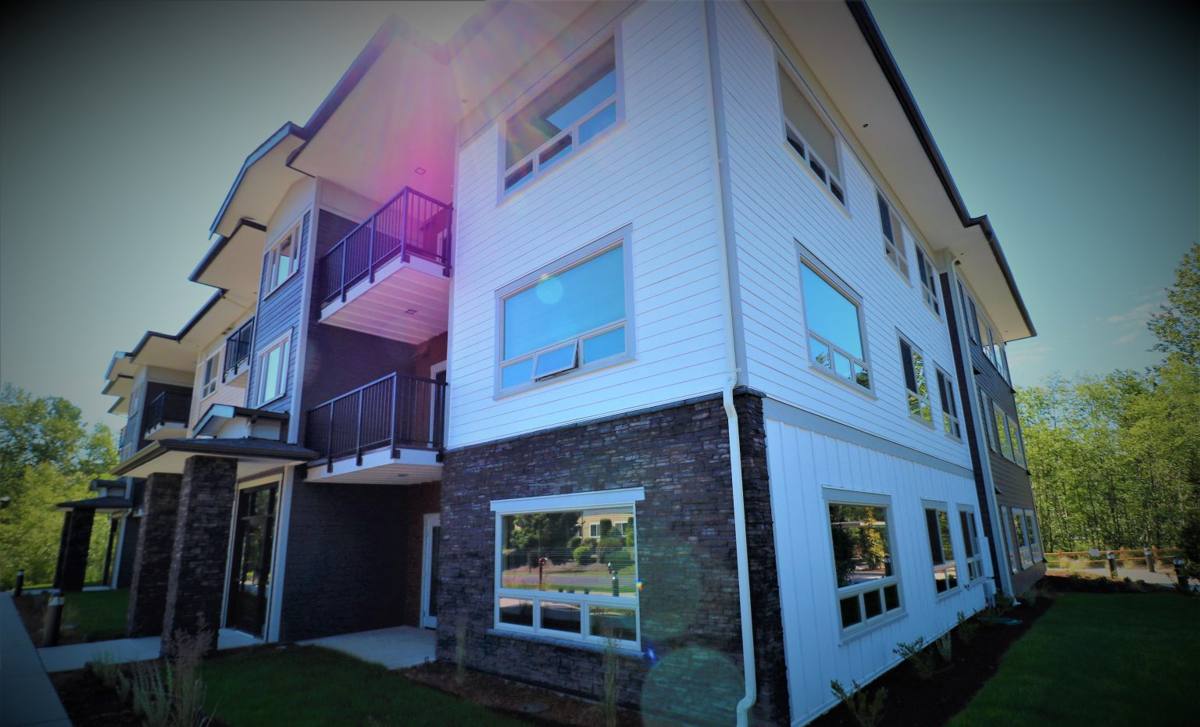
Why We Only Install James Hardie for This Look
Board and batten can be built from several different materials, and homeowners in University Park sometimes ask us about vinyl board and batten panels, LP SmartSide, or real wood boards with battens for a more traditional farmhouse feel. We don't install any of those, and it's worth explaining why rather than just saying no.
Real wood board and batten is a genuine look, but it needs consistent repainting and caulk maintenance to keep moisture out of end grain and seams — in a climate with this much sun and wind-driven rain, that maintenance cycle is aggressive and unforgiving of gaps. LP SmartSide is an engineered wood product with a resin-treated strand core; it holds up reasonably well when installation and maintenance are followed to the letter, but it is still wood-based, meaning it can be vulnerable to sustained moisture exposure at cut edges and seams if caulking isn't kept up. Vinyl board and batten is low-maintenance and inexpensive, but it's a thin plastic panel — it can warp or distort under intense, sustained UV exposure, and in high wind it's more prone to cracking or blowing off than a rigid, heavier material.
James Hardie board and batten is fiber cement: sand, cement, and cellulose fibers, non-combustible, dimensionally stable, and manufactured in HZ product lines engineered specifically for humid, high-moisture climates like ours. It doesn't rot, it isn't a fuel source, and it holds paint and factory finish far more consistently under UV exposure than wood or vinyl. That combination — rigidity, moisture resistance, and finish stability — is why it's the only board and batten system we put our name behind.
How James Hardie Board & Batten Is Actually Built
The panel-and-batten system
Authentic board and batten in fiber cement isn't individual narrow boards nailed side by side. It's typically built using a wide vertical fiber cement panel (HardiePanel vertical siding) as the base field, with fiber cement battens (HardieTrim) fastened over the seams and at a regular spacing across the field to create the classic board-and-batten shadow line. This approach gives you the visual rhythm of traditional board and batten with far fewer actual seams exposed to weather than a true individual-board system would have.
Moisture management behind the panel
The siding itself is only half the system. Correct installation includes a weather-resistive barrier and, where the assembly calls for it, a drainage gap behind the panel so that any incidental moisture that gets past the surface can drain and dry rather than sitting against the wall sheathing. This is especially important in Sarasota, where humidity means anything trapped behind siding stays wet longer than it would in a drier climate.
Fastening and gapping
Panels and battens are fastened following James Hardie's published fastener schedule for the local wind exposure — fastener type, spacing, and edge distance all change based on wind load, and getting this wrong is one of the most common causes of panel or batten failure in a storm. Panels and battens are also installed with the manufacturer-specified gaps at butt joints and terminations, then sealed with a high-quality, paintable, flexible sealant rated for exterior use. Tight, unsealed joints or gaps that are too wide both cause problems — one traps moisture, the other lets wind-driven rain in.
Flashing and terminations
Every point where board and batten meets a window, door, roofline, or the ground needs flashing detail — not just caulk. Z-flashing above horizontal trim, proper starter strips at the base, and correct clearance above roof lines, decks, and grade all keep water moving away from the wall assembly instead of behind it.
Comparing Board & Batten Material Options
| Material | Wind performance | Moisture/salt-air behavior | Maintenance | Typical lifespan with correct install |
|---|---|---|---|---|
| James Hardie fiber cement | Rigid, engineered fastening for local wind load | Non-combustible, dimensionally stable, resists rot | Repaint only when owner chooses; no sealing of the substrate itself | Multiple decades |
| Real wood boards | Can split or work loose under repeated wind flex | Vulnerable at end grain and seams if moisture gets in | Repainting and re-caulking on a strict cycle | Shorter without disciplined upkeep |
| LP SmartSide (engineered wood) | Reasonable when fastened to spec | Needs sealed edges and maintained caulk joints | Caulk and touch-up maintenance ongoing | Moderate, install- and upkeep-dependent |
| Vinyl board & batten panels | Lighter panel, more prone to cracking or blow-off in high wind | Can warp/distort under sustained intense UV | Low, but not repairable/repaintable if damaged | Shorter in high-UV, high-wind coastal exposure |
Our Process on a University Park Home
Board and batten projects in this community usually start with a walk of the elevations you're targeting — whether that's a full-house treatment or an accent application on gables and a porch or entry feature. We look at your existing wall assembly, any moisture or wood-rot issues under the current siding, window and door flashing conditions, and how the batten spacing and reveal will read against your roofline and trim. From there we scope the assembly: panel and batten layout, drainage approach, fastener schedule for your specific wind exposure, and ColorPlus factory-finish color if you're going that route versus field paint.
During installation, we remove and inspect the substrate before anything new goes up — covering a rot or moisture problem instead of fixing it just moves the problem behind new siding. Panels and battens go up to the fastener schedule and gap spec, flashing gets installed at every transition, and joints are sealed with the correct sealant. We do a final walk before calling the job done, checking reveal consistency, sealant lines, and that every termination point is properly flashed and clear of grade or roofline.
Maintaining Board & Batten Once It's Installed
- Rinse the exterior periodically to clear salt residue and airborne grit, especially on elevations that face prevailing wind and rain
- Inspect caulk lines at joints and terminations once a year and have any cracked or shrunken sealant replaced promptly
- Keep landscaping and irrigation heads from spraying directly onto the siding or battens
- Check that gutters and downspouts are directing water away from the wall rather than sheeting down the face of the siding
- Have storm-driven debris impacts inspected after major weather events, even if damage isn't obviously visible
- Repaint on the cycle recommended for your finish if you chose field-applied paint rather than factory ColorPlus finish
Why a Crew That Already Works in University Park Matters
Board and batten is unforgiving of guesswork because the shadow lines and reveal spacing are visible from the street the moment the light hits them wrong. A crew that has already run this system on homes in and around University Park knows how the batten spacing needs to be planned around your window and door openings before the first panel goes up, not adjusted after the fact. They also already understand the wind exposure and moisture conditions specific to this part of Sarasota County, so the fastener schedule and drainage detailing aren't a generic default — they're set for what this neighborhood's homes actually face. That local experience shows up in the small decisions: where the sealant joints land relative to sightlines, how terminations are handled at rooflines and porches, and how the finished elevation reads once it's done.
What to Ask Before You Hire
Because board and batten has more visible detail work than standard lap siding, it's worth asking any contractor a few specific questions before you sign anything:
- What fastener schedule and gap spacing will be used, and is it matched to local wind exposure?
- Will the wall assembly get a proper weather-resistive barrier and drainage approach behind the panels?
- Is the existing sheathing being inspected and repaired before new siding goes up, not just covered?
- What sealant product is being used at joints and terminations, and is it rated for exterior UV exposure?
- Is the manufacturer's published installation instruction being followed, and can they show you the fastener and gapping spec in writing?
If you're weighing board and batten for a University Park home, we're glad to walk your elevations, talk through where it makes sense as an accent versus a full treatment, and give you a straightforward, no-pressure estimate — just fill out the form below to get started.