 Sarasota Siding
 Building Decks for Gulf Gate Estates, Not Decks in General
Gulf Gate Estates sits close enough to the Gulf that every outdoor structure on a property feels the coast, even without a water view. Salt-laden air moves inland on the prevailing breeze, afternoon sun is intense nearly twelve months a year, and summer storms bring the kind of wind-driven rain that finds every gap in a poorly built deck. A deck built for a landlocked climate simply doesn't hold up the same way here. When we build in Gulf Gate Estates, we're building for this specific mix of conditions, not adapting a generic plan and hoping it survives.
This page is about one service in one neighborhood: custom deck construction for Gulf Gate Estates homeowners. We'll walk through what the local climate actually does to a deck over time, what a correctly built deck needs at the material and structural level, how our process works from first visit to final walkthrough, and why local experience in this specific pocket of Sarasota County matters more than it might seem.
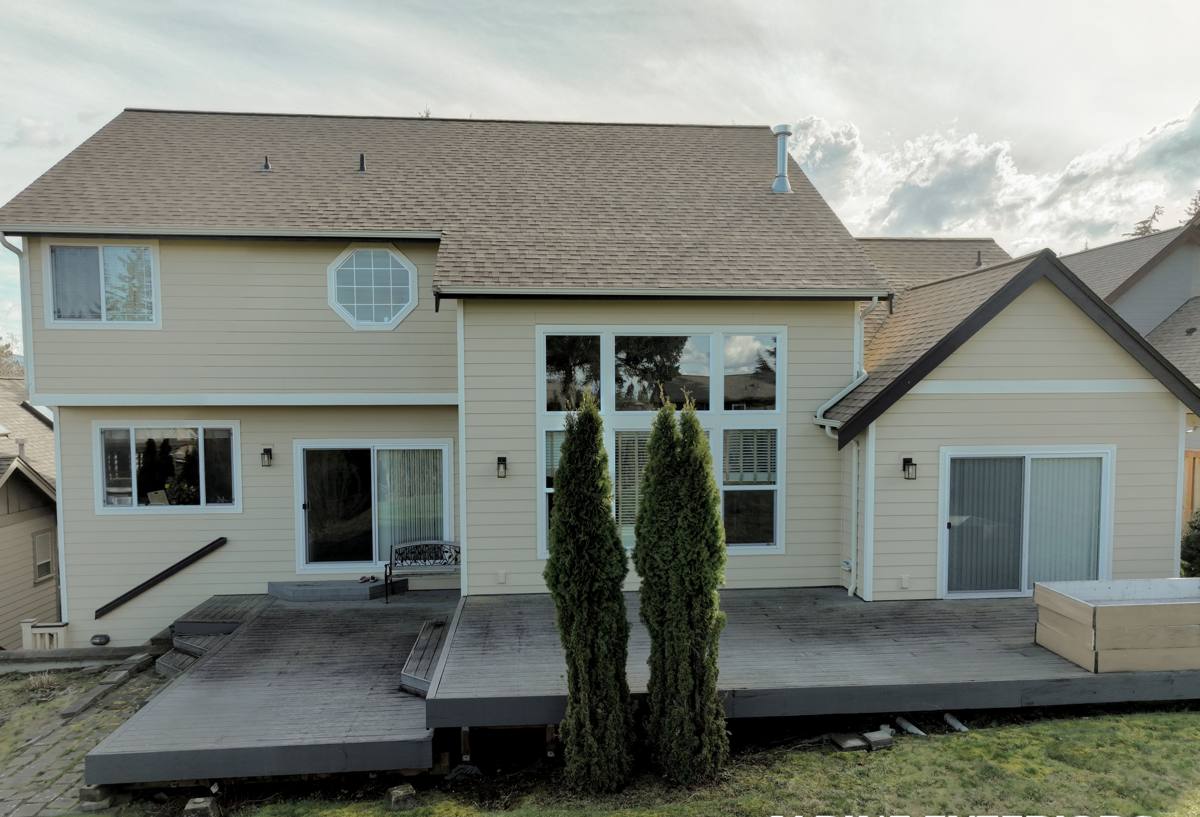
What Sarasota's Climate Actually Does to a Deck
It helps to be specific about the stresses involved, because each one demands a different response from the builder.
Hurricane-Force Wind
Sarasota County sits in a wind zone where framing has to resist real uplift and lateral load, not just support foot traffic. A deck that's screwed together with undersized hardware may look fine for years and then fail catastrophically in a single storm event. Ledger attachment, post-to-beam connections, and joist hangers all need to be sized and fastened for wind, not just weight.
Year-Round UV Exposure
Florida sun is harder on exterior materials than sun in most of the country simply because there's so much more of it, month after month. UV breaks down surface finishes, dries out wood fibers, and fades color in composite and PVC boards at different rates depending on the product. A decking choice that looks identical to a northern climate option often behaves very differently after three Sarasota summers.
Wind-Driven Rain
Rain here rarely falls straight down during storm season. It drives sideways under railings, into ledger connections, and behind fascia boards. Flashing details that would be optional in a drier climate are not optional here — water intrusion at the ledger board is one of the most common causes of deck failure we see on older homes in the area.
Salt Air
Even inland pockets like Gulf Gate Estates get enough salt in the air to accelerate corrosion on any metal that isn't rated for it. Standard zinc-coated screws and brackets can start rusting and staining a deck within a couple of seasons this close to the coast.
Decking Material Options for This Neighborhood
There's no single "best" decking material — there's a best material for a given budget, maintenance appetite, and how the deck will actually be used. Here's how the common options hold up specifically under Sarasota conditions.
| Material | UV/Fade Behavior | Moisture & Salt Air Resistance | Maintenance |
|---|---|---|---|
| Pressure-treated pine | Fades and grays quickly without regular sealing | Needs consistent sealing to resist rot and swelling | Annual cleaning and re-sealing recommended |
| Tropical hardwood (e.g., ipe) | Grays over time unless oiled regularly | Naturally dense and rot-resistant | Periodic oiling; installation is less forgiving |
| Capped composite | Fade-resistant cap layer, varies by brand | Very good; won't rot or absorb salt spray | Occasional washing, no sealing or staining |
| PVC decking | Strong fade resistance in most product lines | Excellent; fully synthetic, immune to rot | Lowest maintenance of the group |
We install all of these depending on what a homeowner wants. Our job is to be honest about the trade-offs up front — a wood deck asks for more upkeep in exchange for a lower upfront cost and a natural look; composite and PVC cost more initially but ask much less of the homeowner over the deck's life in this climate.
A Note on Wood Species and Sealing
If a homeowner wants a wood deck, we're honest that Sarasota's UV and humidity combination means a sealing schedule isn't optional — it's the difference between a deck that looks good for fifteen years and one that needs boards replaced in five. We'll spell out the realistic maintenance calendar before the project starts, not after.
Framing: Where Most Deck Failures Actually Start
The decking surface is what people see, but the framing underneath is what determines whether the deck survives a storm season. In Gulf Gate Estates, that means:
- Ledger boards properly flashed and through-bolted into structural framing, not just lag-screwed into siding
- Joist hangers and structural connectors rated for the local wind zone, installed with the correct fastener type for every hole (not mixed hardware)
- Footings sized and set to local frost-free, sandy-soil conditions, with post bases that keep wood off standing water
- Beam spans calculated for the actual load, not stretched to save a post
- Guardrail posts attached with through-bolts and blocking, since guardrails carry real lateral load in a wind event
None of this is visible once the deck is finished, which is exactly why it matters who builds it. A deck can look identical from the top with a two-year lifespan or a twenty-year lifespan, and the difference is entirely in the framing choices made before the first board goes down.
Fasteners and Hardware: The Detail Salt Air Punishes First
This is one of the most overlooked parts of coastal deck building. Standard galvanized screws and brackets are built for general outdoor use, not for a property sitting in a salt-air corridor off the Gulf. We spec stainless steel or coastal-rated fasteners and connectors on every deck we build in this area, because the alternative shows up as rust streaks and weakened connections well before the decking itself shows any wear. It costs more upfront and is the kind of detail that's easy to skip if a contractor is pricing to win the bid rather than pricing to build something that lasts.
Permitting in Sarasota County
Deck additions in Sarasota County and the surrounding municipalities typically require a building permit, and inspections are done in stages — footings before they're covered, framing before decking goes on, and a final inspection at completion. Requirements can vary depending on the deck's size, height, and whether it's attached to the house, so we pull the appropriate permit for the specific job rather than assuming one project matches another. Skipping this step isn't a shortcut worth taking: unpermitted work can complicate a home sale down the road and, more importantly, it means no third-party check on the structural work that keeps a deck safe in a storm.
How We Work With Gulf Gate Estates Homeowners
Our process is the same whether it's a small platform deck or a larger multi-level build, scaled to the size of the project:
- On-site visit and measurements — we look at the existing structure or ground conditions, sun and wind exposure, drainage, and how the space will actually be used.
- Material and layout conversation — we walk through the honest trade-offs between wood, composite, and PVC for the homeowner's budget and maintenance preference, and design the layout around the house and yard.
- Written proposal — clear scope, materials, and cost, so there are no surprises once work starts.
- Permitting — we handle the permit application and schedule required inspections with the county or city.
- Construction — footings, framing, decking, railing, and finish work, built to the structural details above, not shortcuts.
- Final walkthrough — we go over the finished deck together and cover the maintenance schedule specific to the materials chosen.
Maintenance That Fits This Climate
A deck's long-term performance in Sarasota depends as much on upkeep as it does on how it was built. We give every homeowner a maintenance plan specific to their material choice, generally covering:
| Task | Wood Decks | Composite/PVC Decks |
|---|---|---|
| Surface cleaning | 2-3 times per year | 1-2 times per year |
| Sealing/oiling | Annually, more often in full-sun areas | Not required |
| Hardware inspection | Annually, check for corrosion or loosening | Annually, check for corrosion or loosening |
| Post-storm check | After any major wind event | After any major wind event |
That post-storm check applies to every deck regardless of material — a quick look at fasteners, railing stability, and ledger flashing after a significant wind event catches small issues before they become structural ones.
Why Local Experience in Gulf Gate Estates Matters
A crew that regularly works this specific part of Sarasota County already knows the wind zone requirements, the typical soil conditions, the county's inspection process, and how quickly UV and salt air will punish a poor material or hardware choice. That's not something a contractor coming from an inland market picks up on the first job — it usually gets learned at a homeowner's expense. Building decks in this climate, for this neighborhood, repeatedly, is what lets us make the right call on framing, fasteners, and materials before the first post goes in the ground rather than after something fails.
If you're planning a new deck or replacing an aging one in Gulf Gate Estates, we're happy to walk the property, talk through honest material options for your budget, and put together a clear, no-pressure estimate — just fill out the form below to get started.