 Sarasota Siding
 Building a Deck That Actually Holds Up in Lakewood Ranch
Lakewood Ranch homeowners ask for outdoor living space more than almost anything else we build. A deck extends the house, gives kids and pets a place to be outside without being in the yard, and turns a plain backyard into somewhere people actually want to sit in the evening. The problem is that a deck built to a generic national spec doesn't last long here. Between the intense year-round sun, the wind-driven rain that comes through nearly every summer afternoon, and the humidity and salt-laden air that roll in off the Gulf, a deck in this part of Sarasota County works harder than the same structure would almost anywhere else in the country. Building one that lasts means designing and fastening it for this specific climate, not just following a generic plan.
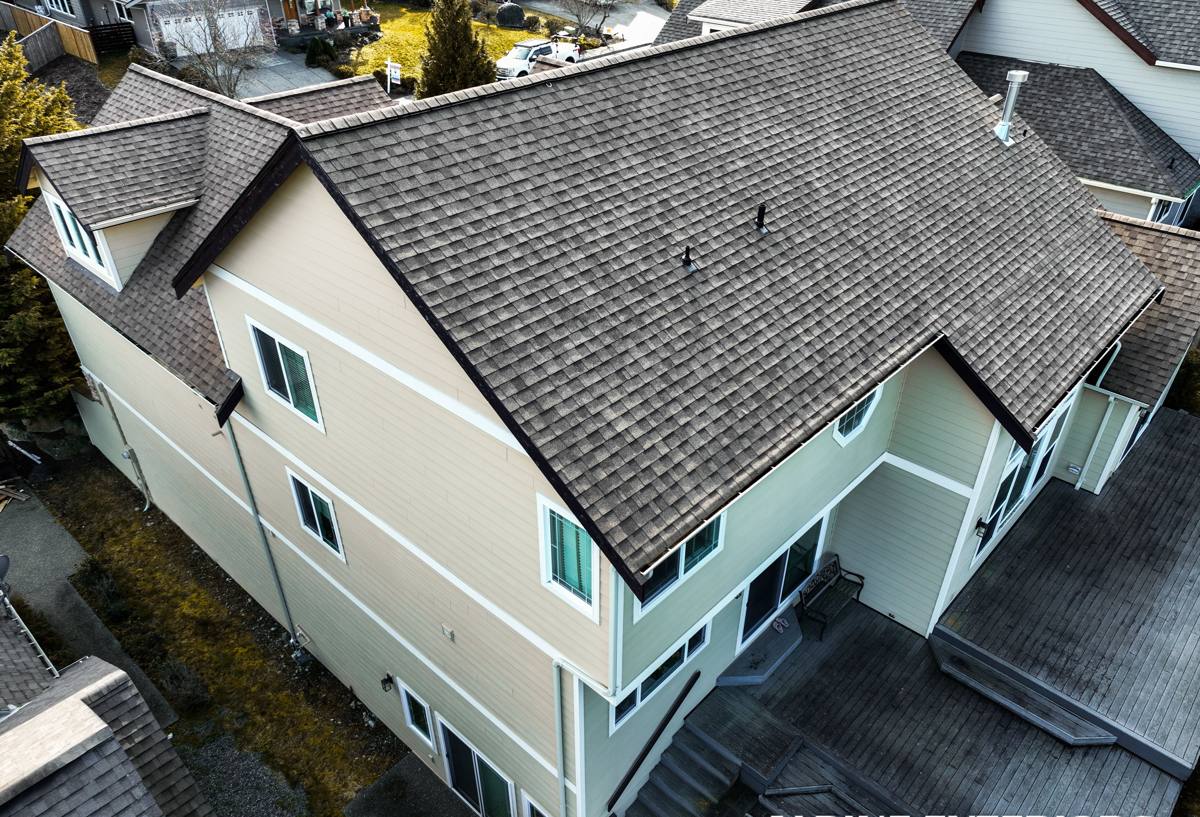
What Lakewood Ranch's Climate Actually Does to a Deck
Sun and UV Exposure
Florida sun is close to constant for most of the year, and UV breaks down wood fibers, fades stains, and degrades the surface resins in composite decking faster than in most climates. A deck facing west or south with no shade will show fading and surface wear years before an identical deck in a shadier yard. This isn't a defect in the material — it's the reality of the exposure, and it's something we plan for in material choice and finish, not something we can eliminate.
Wind-Driven Rain and Humidity
Afternoon storms here don't just drop rain straight down — wind pushes it sideways into ledger boards, under railing posts, and into any joint that isn't properly flashed or sealed. Combined with the region's humidity, that moisture has to have somewhere to go. Decking and framing that trap water instead of shedding it will rot, cup, or corrode far faster than the same materials installed with proper drainage and airflow underneath.
Wind Loads
Sarasota County sits in a high-wind zone under the Florida Building Code, and Lakewood Ranch is no exception. Railings, post bases, and ledger connections all have to be engineered to resist uplift and lateral load, not just support standing weight. This is one of the most commonly shortcut parts of deck construction, and it's the part that fails first in a serious storm.
Salt-Laden Air
Lakewood Ranch is inland enough that it doesn't take direct salt spray the way a beachfront property does, but the broader Sarasota-Manatee region still carries salt-laden air on Gulf breezes. Over years, that air accelerates corrosion in standard fasteners and hardware, which is why the connectors holding a deck together matter as much as the decking itself.
Decking Material Options for This Climate
There's no single "best" decking material — every option is a set of trade-offs between cost, appearance, maintenance, and how it holds up to sun and moisture. Here's how the common choices actually perform in a Lakewood Ranch backyard:
| Material | UV/Heat Performance | Moisture & Humidity Handling | Maintenance | Typical Lifespan Here |
|---|---|---|---|---|
| Pressure-treated pine | Fades and grays without regular finish; can get hot underfoot | Prone to cupping/splitting if not sealed and vented properly | Needs re-sealing every 1-2 years | 10-15 years with upkeep |
| Composite decking | Fade-resistant caps; darker colors run hotter in direct sun | Doesn't rot, but needs proper airflow underneath to avoid moisture buildup in the substructure | Occasional washing, no sealing/staining | 20-30 years |
| PVC/capped polymer | Very stable in UV, minimal fading | Fully moisture-resistant surface; framing underneath still needs protection | Lowest maintenance of the three | 25-30+ years |
| Tropical hardwoods (e.g., ipe) | Naturally UV- and rot-resistant, ages to gray without treatment | Dense grain resists moisture well | Periodic oiling if color retention is wanted | 25+ years |
We don't push one material on every job. A young family with kids running around barefoot usually leans composite or PVC for comfort and low maintenance. A homeowner who wants a natural wood look and doesn't mind upkeep may prefer a hardwood. What we won't do is install a decking product on framing or fasteners that can't support it for its expected life — that mismatch is where most premature deck failures in this area actually start.
Framing and Hardware: The Part Nobody Sees
The decking surface gets all the attention, but the framing underneath is what determines whether a deck is safe and long-lasting. In this climate, that means:
- Hot-dip galvanized or stainless steel fasteners and connectors rated for the corrosion these hardware pieces will see over the deck's life, not standard-grade hardware
- Joist hangers and hurricane ties sized to the Florida Building Code's wind requirements for our zone, not a minimum-code shortcut
- A properly through-bolted or engineered ledger connection to the house, flashed to shed water away from the rim joist
- Footings sized and set to local frost-free depth requirements and soil conditions, not guessed
- Airflow and drainage gaps between decking boards and around the substructure so trapped moisture has somewhere to go
- Post bases that keep wood posts off standing water, especially in yards with slow drainage after heavy rain
None of this is visible once the deck is finished, which is exactly why it's the part most likely to get cut on a lowball bid. A deck can look great for the first year regardless of what's underneath it — the framing is what determines whether it's still solid in year ten.
Permitting and Local Code Requirements
Deck construction in this area requires a building permit, and inspections at the footing and framing stages before the decking goes down. Lakewood Ranch sits in a region governed by Florida Building Code wind provisions, which set specific requirements for railing strength, guard height, and structural connections. Skipping the permit process might save time up front, but it leaves the homeowner without an inspected structure — something that can complicate insurance claims or a future home sale. We handle the permitting and inspection scheduling as part of the job so it isn't left for the homeowner to sort out.
HOA and Community Guidelines
Lakewood Ranch is made up largely of planned communities, many with their own architectural review boards and deed restrictions covering things like deck materials, railing style, and setback from property lines. Requirements vary by community, so we don't assume what's allowed — we build the plan around what a homeowner's specific HOA requires, and where paperwork or a design submission is needed, we make sure the plans reflect it before construction starts. Finding out about a restriction after a deck is built is a problem nobody wants.
Our Process for a Lakewood Ranch Deck Project
Every property is different, but the process we follow stays consistent:
- On-site consultation to look at sun exposure, drainage, grade, and how the space will actually be used
- Material recommendation based on the homeowner's priorities — budget, maintenance tolerance, and look
- Design and engineering sized to Florida Building Code wind requirements for this area
- Permit submission and any required HOA documentation
- Footing and framing work, inspected before decking is installed
- Decking, railing, and finish work
- Final walkthrough and care guidance specific to the material installed
We don't skip steps to move faster, and we don't treat the permit and inspection process as optional paperwork. It's part of what makes a deck actually safe to stand on for the next twenty years.
Maintenance That Protects the Investment
Even low-maintenance materials benefit from a little seasonal attention in this climate. Clearing debris from between boards after storms keeps moisture from sitting against the surface. Checking railing and post connections once a year catches loosening before it becomes a safety issue. Wood and wood-composite hybrids need reapplied sealant or stain on a schedule; full composite and PVC mainly need washing to keep pollen and mildew from building up in the humidity. We walk every homeowner through what their specific material actually needs — not a generic maintenance sheet, but what applies to the product on their deck.
Why a Crew That Already Works Lakewood Ranch Matters
A contractor who works this area regularly already knows the wind requirements, the permitting process with the local building department, and the kinds of HOA review most Lakewood Ranch communities require — which means fewer surprises and fewer delays. It also means we've seen how different materials and framing details actually hold up here over years, not just how they look on installation day. That local, repeated experience is what separates a deck that's still solid a decade from now from one that starts showing problems in year three.
If you're considering a new deck or replacing one that hasn't held up, we're glad to come take a look and talk through what makes sense for your home. There's no pressure and no cost to get an honest estimate — just fill out the form below and we'll be in touch.