 Sarasota Siding
 Why Southside Village Decks Wear Out Faster Than You'd Expect
Southside Village sits close enough to Sarasota Bay and the Gulf that every deck in the neighborhood is doing double duty: holding up your weekend cookouts and fighting off a coastal climate that never really lets up. Sarasota County homes deal with intense UV exposure almost every day of the year, long stretches of afternoon thunderstorms that drive rain sideways into framing, and a steady dose of salt-laden air that speeds up corrosion on anything metal. Add hurricane-season wind loads to that list, and you've got a structure that's under more stress than most homeowners realize until something starts to feel soft, wobbly, or off-level underfoot.
We repair decks throughout this part of Sarasota regularly, and the failure patterns are consistent. It's rarely one dramatic event — it's slow, cumulative damage from moisture cycling, UV breakdown, and fastener corrosion that finally shows up as a soft board, a loose rail, or a deck that sways more than it should. Catching that early is the difference between a repair bill and a full rebuild.
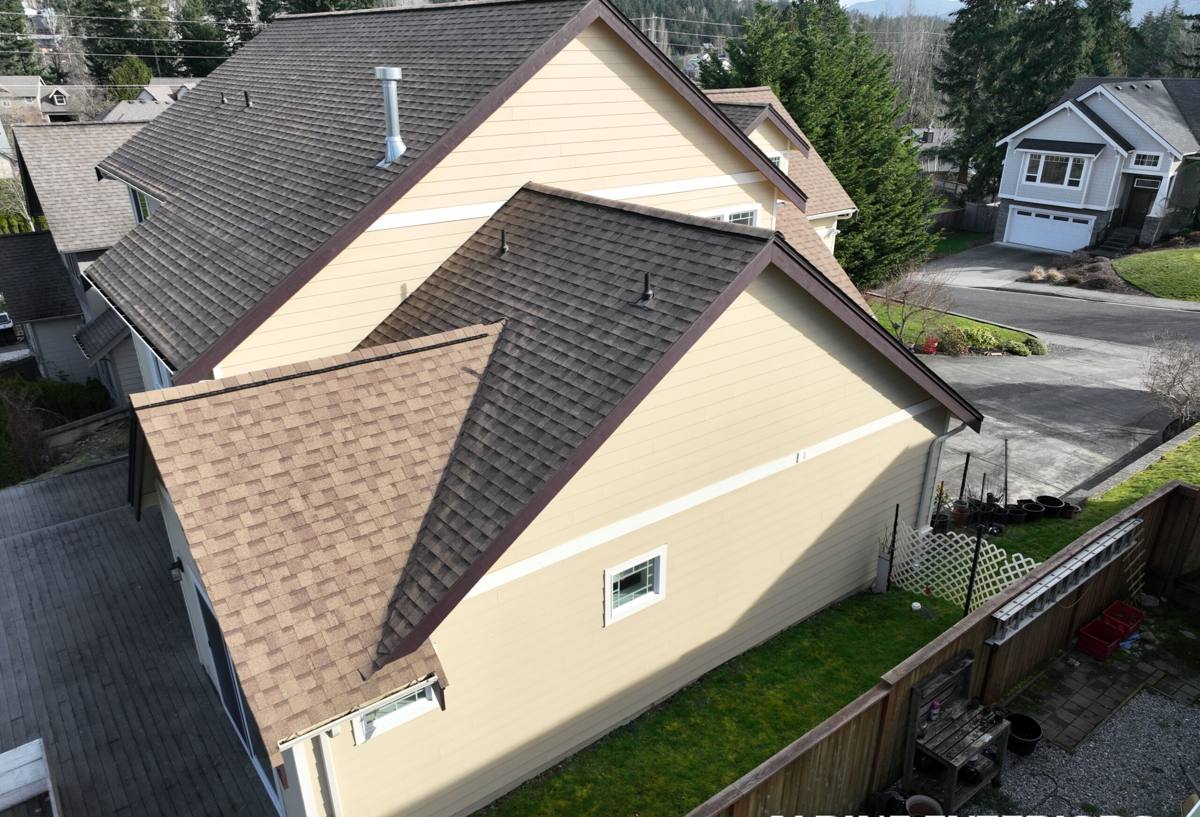
Signs a Southside Village Deck Needs Repair
Most deck problems give warning signs well before anything becomes unsafe. If you own or manage a home in this neighborhood, it's worth checking for these regularly, especially after a wet summer or a named storm passes through the area:
- Boards that feel spongy, springy, or noticeably softer than the boards around them
- Visible gaps opening up between decking boards beyond normal seasonal movement
- Rust streaks bleeding out from screws, nails, or bracket hardware
- Railings or posts that wiggle when you push on them
- Stairs that feel less solid than they used to, or treads that flex
- A ledger board (where the deck attaches to the house) that looks separated, stained, or has gaps behind the flashing
- Discoloration, graying, or splintering concentrated on the sun-facing side of the deck
- Any noticeable dip or slope that wasn't there when the deck was built
Any one of these on its own might be minor. Several showing up together usually points to moisture that's gotten past the surface and into the structural framing underneath — which is a different, more serious repair than swapping a few boards.
What Actually Causes Deck Failure in This Climate
Moisture Intrusion at Connection Points
The ledger board connection, stair stringers, and post bases are where water tends to collect and linger. In a humid coastal climate like Sarasota's, wood that stays damp for extended periods doesn't get a chance to dry out fully between rain events, which accelerates rot even in pressure-treated lumber. We see this most often at the ledger-to-house connection, where poor flashing lets water track behind the deck and into the rim joist.
UV Degradation
Year-round sun exposure breaks down the surface fibers of wood decking and dries out the oils that keep it flexible, leading to graying, splintering, and small surface cracks called checking. On composite decking, UV exposure over many years can fade color and, on lower-quality boards, contribute to surface degradation — which is one reason material selection matters when we're doing a partial replacement and trying to match existing decking.
Salt Air and Fastener Corrosion
Being within reach of salt-influenced air off the bay means standard fasteners and hardware corrode faster here than they would further inland. Rust-streaked screw heads are one of the most common things we find during an inspection, and corroded fasteners lose holding strength well before they look obviously failed.
Wind Load and Racking
Florida's building code accounts for hurricane-force wind loads, and decks are structures that need to resist both uplift and lateral racking (side-to-side movement). Undersized or corroded structural connectors — joist hangers, hurricane ties, lag bolts — are a common weak point we find on older decks that were built before current attachment standards were tightened up.
What a Correct Deck Repair Actually Involves
A repair done right isn't just about replacing what's visibly damaged. It starts with figuring out why that damage happened, so the same failure doesn't come back in two years. Our process on a typical repair includes:
- Full structural inspection — checking joists, beams, posts, footings, and the ledger connection, not just the decking surface
- Moisture and rot mapping — probing suspect areas to find the actual boundary of damaged wood, since rot often extends further than it appears from the surface
- Fastener and hardware assessment — checking joist hangers, structural screws, and connectors for corrosion or under-sizing relative to current code
- Ledger and flashing review — since this is the single most common point of hidden water damage on an attached deck
- Repair scope and materials plan — deciding what gets replaced versus reinforced, and what materials make sense for the budget and the location
- Structural repair or replacement of framing — this always happens before any surface decking work, never after
- Decking, railing, and stair repair or replacement — matched to existing materials where reasonable
- Fastener upgrade — replacing corroded hardware with fasteners rated for coastal/exterior exposure
Skipping straight to new boards without addressing the framing underneath is the single most common shortcut we see from past repairs — and it's why a deck can look brand new on top while still being structurally compromised underneath.
Repair Materials: What We Use and Why
| Material | Best Use in a Repair | Trade-Offs to Know |
|---|---|---|
| Pressure-treated lumber | Structural framing, joists, posts, beams | Needs proper fasteners rated for treated wood chemicals; still requires periodic sealing on exposed surfaces |
| Composite decking boards | Surface decking replacement, especially partial repairs | Higher upfront cost; quality varies significantly by product line, so matching an existing composite deck can be limited by discontinued colors |
| Cedar or tropical hardwood decking | Matching existing wood-look decks | Higher maintenance burden — needs regular sealing to hold up to Sarasota's UV and rain exposure |
| Stainless or coated structural screws | All fastener replacement in coastal repairs | Costs more than standard exterior screws, but standard-grade fasteners are a common repeat-failure point near the bay |
| Galvanized or coated structural connectors | Joist hangers, post bases, hurricane ties | Coating quality matters — we use connectors rated for the corrosion exposure common in coastal Sarasota County |
Our standard is to never mix corrosion-prone fasteners into a repair just because they're cheaper up front. In this climate, the labor cost of redoing a repair because a fastener failed early is almost always higher than spending a bit more on the right hardware the first time.
Repair or Replace? How We Help You Decide
Not every deck problem calls for a full rebuild, and not every deck is worth saving as-is. The honest answer depends on how much of the structure is affected versus just the surface.
| Factor | Leans Toward Repair | Leans Toward Replacement |
|---|---|---|
| Structural framing condition | Solid, isolated soft spots only | Widespread rot in joists, beams, or posts |
| Age of the deck | Under 10-12 years | Original deck is older and near end of practical service life |
| Ledger board condition | Sound, properly flashed | Deteriorated or improperly flashed from original construction |
| Footings and posts | Level, stable, no movement | Settling, heaving, or undersized for current code |
| Extent of surface damage | Scattered boards or one section | Decking is failing across most of the surface |
We'll always tell you honestly when a repair makes sense versus when you'd be spending real money to patch a deck that's going to keep giving you trouble. That call gets made after the structural inspection, not before.
Why Local Experience in Southside Village Matters
A deck repair contractor working across the whole Tampa Bay region has to guess at conditions on every job. A crew that already works regularly in Southside Village and the surrounding Sarasota neighborhoods knows what to expect before we even pull up: the typical age and construction style of decks built in this area, how close the property sits to bay-influenced air, and what Sarasota County's permitting and inspection process looks like for structural repair work.
That familiarity also matters for things homeowners don't always think about — like knowing which repairs require a permit under county code versus which are routine maintenance, and building repairs to hold up against the same wind-load and moisture conditions every other deck in the neighborhood is fighting. We're not learning the local climate on your project; we already know it.
After the Repair: Keeping It Sound Longer
A good repair only pays off if it's maintained. In Sarasota's climate, that means a bit more attention than a deck might need somewhere drier or cooler:
- Rinse off salt residue and debris periodically, especially after storms
- Reseal or restain wood decking on the schedule recommended for the specific product — UV exposure here shortens the useful life of most sealers
- Keep gutters and downspouts near the deck clear so water isn't dumping directly onto framing or footings
- Check railings and stair connections for looseness once or twice a year
- Look at the ledger board area annually for staining or gaps, since that's the most common hidden failure point
- Address small issues — a soft board, a loose baluster — before the next rainy season, not after
None of this requires special tools or expertise, just consistency. Decks that get this basic attention tend to need major repair work far less often than ones that get ignored until something fails.
Get an Honest Look at Your Deck
If your Southside Village deck has soft spots, loose railings, corroded hardware, or just doesn't feel as solid as it used to, it's worth getting a real inspection rather than guessing. We'll look at the structure, tell you plainly what's driving the problem, and lay out what a proper repair — or, if it comes to that, a replacement — actually involves before any work starts. Use the form below to request a free, no-pressure estimate.