 Sarasota Siding
 Building a Deck That Actually Holds Up in Ellenton
Ellenton sits along the Manatee River corridor just north of Sarasota County, and homes here deal with the same punishing combination that affects the whole Gulf Coast: long, humid summers, intense UV exposure nearly year-round, sudden downpours, and the real possibility of hurricane-force wind during storm season. A deck built here isn't just an outdoor living space — it's an exterior structure that has to survive weather most parts of the country never see. When we build a deck in Ellenton, every decision, from footing depth to fastener type, is made with that climate in mind, not just a generic build spec pulled off a shelf.
A lot of deck problems we get called out to inspect in this area didn't start as bad workmanship — they started as a build that was fine for a milder climate but wasn't matched to Sarasota County conditions. Undersized ledger flashing, the wrong fastener metal, joists spaced for a drier region — all of it shows up early here because the environment doesn't give bad details time to hide.
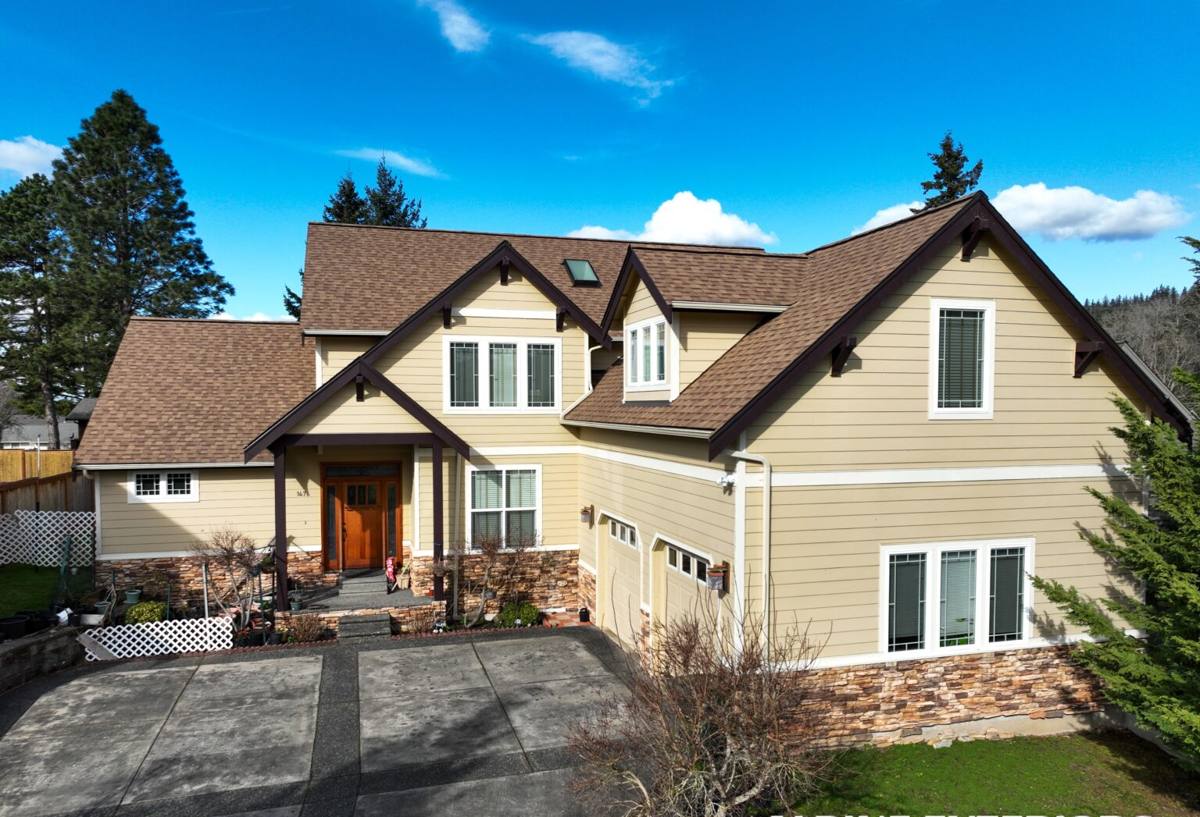
What Sarasota County's Climate Does to a Deck
Before we talk about materials or process, it helps to understand exactly what a deck in Ellenton is up against, because it explains why certain shortcuts that work fine in other states don't work here.
Heat and UV
Florida sun is intense for most of the year, not just summer. Composite decking, PVC trim, and any exposed sealant or adhesive take steady UV load that accelerates fading, chalking, and brittleness in lower-grade products. Wood decking that isn't properly sealed and maintained will gray and check faster here than in a northern climate.
Humidity and Moisture Cycling
Wood-frame decks in this region go through constant swelling and drying cycles. That movement stresses fasteners, loosens connections over time, and — if the substructure isn't ventilated and detailed correctly — creates the damp, dark conditions where rot and fungal growth start, especially at ledger boards, post bases, and anywhere wood meets wood without a gap.
Wind-Driven Rain and Storm Loads
Ellenton isn't directly coastal, but it's close enough to the Gulf that wind-driven rain during storms pushes water sideways into places a vertical-rain design would never see — behind ledger boards, under rail post bases, into end grain. And any deck attached to the house has to be engineered to handle uplift and lateral wind loads, not just standing weight, because hurricane-strength wind is a real seasonal risk in this part of Florida.
Salt-Influenced Air
You don't have to be beachfront for salt air to matter. Coastal air moves inland across Manatee and Sarasota counties, and it accelerates corrosion on any fastener, bracket, or hardware that isn't rated for it. This is one of the most common causes of premature deck hardware failure we see on inspections — galvanized fasteners that were fine when installed slowly corroding and losing holding strength.
What a Correctly Built Ellenton Deck Requires
Given all of that, a deck built to last here needs a few things non-negotiably right, regardless of the decking material on top:
- Stainless steel or coated, marine-rated fasteners throughout — not standard galvanized hardware that corrodes faster near coastal air.
- Proper ledger board flashing where the deck attaches to the house, so wind-driven rain can't work behind the flashing and into the house framing.
- Footings sized and set to local frost-free, load-bearing standards — Florida footings don't deal with frost heave, but they do need to handle sandy or variable soil and wind uplift.
- Structural connections rated for wind uplift, including hurricane ties or approved hardware at key framing points, matched to what Manatee County permitting requires.
- Ventilation gaps under and around framing so moisture doesn't get trapped against wood.
- UV-stable decking and railing materials, or a wood species and sealing schedule the homeowner is genuinely willing to keep up with.
Decking Material Options for This Climate
There's no single "best" decking material — there's a best material for a given homeowner's budget, maintenance appetite, and how the deck will be used. Here's how the common options actually perform under Sarasota County conditions:
| Material | Heat/UV Behavior | Moisture Behavior | Maintenance |
|---|---|---|---|
| Pressure-treated pine | Fades and can check without sealing | Prone to warping/splitting if not sealed regularly | Annual cleaning and re-sealing |
| Composite decking | Stays cooler with capped, lighter-color boards; darker colors get hot underfoot | Won't rot, but lower-grade uncapped composite can absorb moisture at cut ends | Periodic washing, no sealing needed |
| Tropical hardwood (e.g., ipe) | Naturally dense, UV-resistant but will gray without oiling | Excellent natural moisture resistance | Periodic oiling to maintain color |
| PVC decking | Very UV-stable, resists fading well | Fully moisture-proof | Lowest maintenance, higher upfront cost |
We'll walk through these trade-offs honestly during an estimate — including where a cheaper material means more maintenance work for the homeowner down the road, and where a higher upfront cost buys real time saved. There's no product we push because it's easier for us to install; the right call depends on how much upkeep a homeowner actually wants to do.
Our Process for an Ellenton Deck Build
1. On-Site Assessment
We look at the site itself — slope, drainage, sun exposure, proximity to the house's existing roofline and downspouts, and how water currently moves across the yard. A deck built without accounting for existing drainage patterns can end up sitting in standing water after a heavy Florida rain.
2. Design and Permitting
Deck construction in Manatee County requires permitting, and the structural design has to meet Florida Building Code wind load requirements — this isn't optional paperwork, it's what keeps the deck attached to the house during a storm. We handle the permit process as part of the build rather than leaving it to the homeowner to navigate.
3. Framing and Structural Work
This is where the climate-specific details we covered above actually get built in — correct fasteners, ledger flashing, footing depth, and wind-rated connections. Framing is the part of a deck nobody sees once it's finished, which is exactly why it's the part most likely to get shortcut on a lower-quality build.
4. Decking, Railing, and Finish Work
Once the frame is inspected and approved, we install the decking surface, railing system, and any stairs, matched to the material the homeowner chose and detailed for proper drainage and airflow underneath.
5. Final Walkthrough
We walk the finished deck with the homeowner, confirm everything meets code and looks right, and go over what maintenance — if any — the chosen material needs going forward.
Why Local Experience in the Sarasota Area Matters
A deck contractor who mostly builds in a different climate can still put together a deck that looks good on installation day. What's harder to get right without local experience is everything that shows up two or three years later — the fastener corrosion, the ledger leak, the substructure rot — because those failures take time to surface. A crew that's already built and repaired decks throughout Sarasota County has usually seen those failure points firsthand on other projects, which is exactly the knowledge that goes into avoiding them the first time.
Local experience also means knowing the Manatee County permitting process and inspection expectations without a learning curve on the homeowner's project, and understanding which materials genuinely hold up under Gulf Coast sun versus which ones just look good in a showroom.
Signs an Existing Deck Needs Attention
If you already have a deck in Ellenton and aren't sure whether it needs repair or replacement, a few warning signs are worth checking for before they become structural issues:
- Soft, spongy, or discolored spots in decking boards, especially near the house
- Rust streaks around fastener heads or visible hardware corrosion
- Gaps or movement where the deck ledger meets the house
- Wobble in railings or posts when pushed
- Standing water or slow drainage on or under the deck after rain
- Cracked, splintering, or badly faded decking boards
Any of these are worth a professional look before the next storm season, since wind load failures almost always start at a connection point that was already weakened.
Getting Started
Every deck project starts differently depending on lot size, how the space will be used, and budget. If you're considering a new deck in Ellenton or want an honest opinion on whether an existing one is holding up the way it should, we're glad to come take a look. Reach out using the form below for a free, no-pressure estimate.