 Sarasota Siding
 Siding Repair Built for Ellenton's Gulf Coast Conditions
Ellenton sits in the stretch of Gulf Coast Florida where siding takes a beating from every direction at once. Homes here deal with hurricane-force wind gusts during storm season, months of intense subtropical UV exposure, wind-driven rain that gets forced sideways into wall assemblies, and a steady drift of salt-laden air off the coast. None of these forces are dramatic on their own in a single week — the damage is cumulative, and it shows up as small problems that homeowners often dismiss until they become expensive ones.
A siding repair crew that only occasionally works this part of Florida tends to treat every job the same way they would in a drier, calmer climate. That's a mistake here. Repairing siding correctly in Ellenton means understanding how heat, moisture, and salt interact with the specific product on the wall, and knowing which "small" issues are cosmetic versus which ones are early signs of water intrusion behind the cladding.
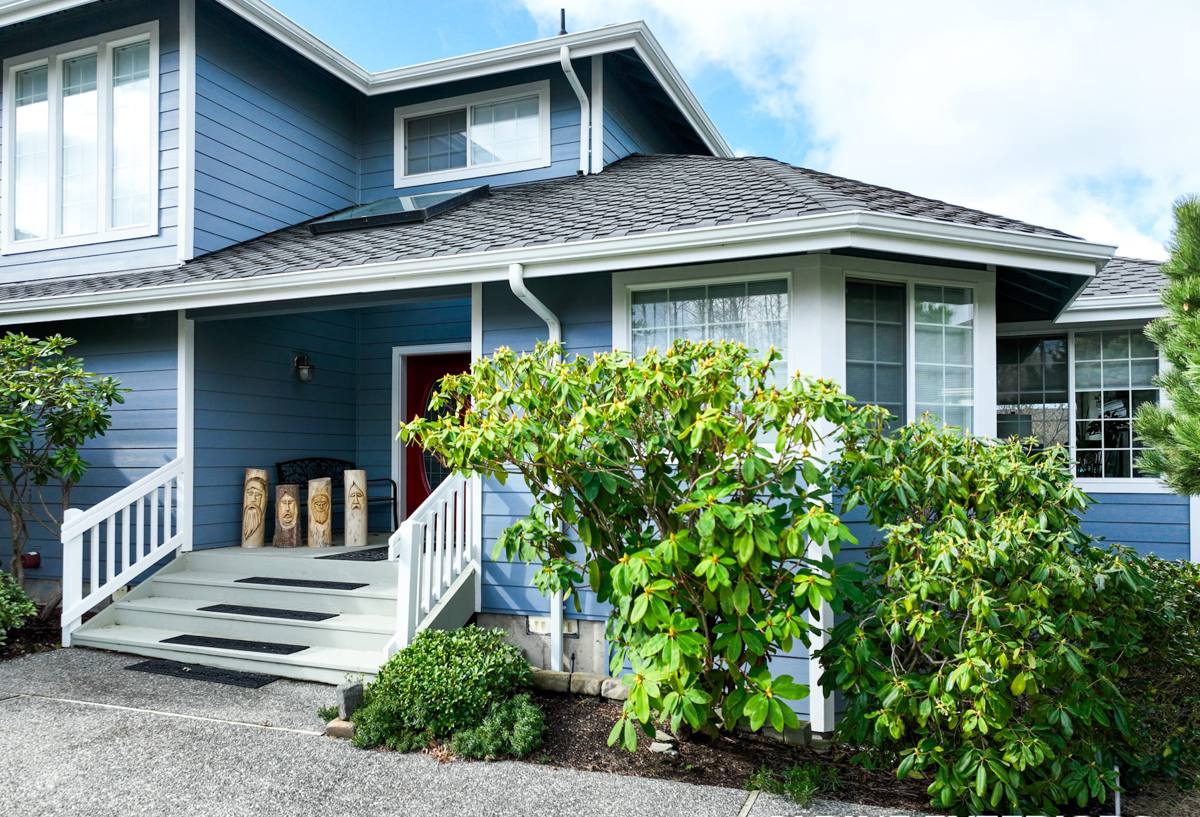
How Local Climate Actually Damages Siding
It helps to break down what each climate factor does, because the failure mode determines the correct repair.
Wind and Storm Pressure
Sustained coastal wind and tropical-storm-force gusts put constant flexing stress on siding panels and their fasteners. Over time this loosens fastener connections, works panels away from their nailing pattern, and can crack rigid materials at stress points — especially around corners, window returns, and anywhere siding was face-nailed too tightly or too loosely to begin with.
UV Exposure
Florida sun is intense nearly year-round. UV breaks down pigments and surface coatings, which is why paint-grade and unprotected siding fades and chalks faster here than almost anywhere else in the country. Factory-applied finishes hold up dramatically better than field-applied paint because they're engineered and baked on specifically to resist UV breakdown.
Wind-Driven Rain
Rain that falls straight down is manageable. Rain forced sideways by wind finds every gap in flashing, caulking, and lap joints. This is the single biggest cause of hidden moisture damage behind siding in this region — not the siding surface itself, but water getting behind it at seams, penetrations, and poorly lapped joints.
Salt Air
Even well inland from the immediate coastline, salt-laden air corrodes exposed fasteners, staples, and metal trim faster than it would in a dry climate. Corroding fasteners lose their grip strength, which is often the real reason a siding panel starts to rattle, bow, or pull away long before the panel material itself has failed.
How Common Siding Materials Hold Up
| Material | Wind/Fastener Behavior | UV/Fade Resistance | Moisture Behavior |
|---|---|---|---|
| Vinyl | Can crack, warp, or blow off in high gusts | Fades and becomes brittle over years of sun exposure | Doesn't absorb water, but gaps let moisture behind it unnoticed |
| Untreated wood/cedar | Fasteners work loose as wood swells and shrinks | Graying and surface breakdown without frequent refinishing | Absorbs moisture, prone to rot and pest damage in humidity |
| Primed spruce panel siding | Moderate; sensitive to edge sealing quality | Relies entirely on maintained paint film | Vulnerable at cut edges and joints if resealing lapses |
| James Hardie fiber cement | Dense, heavy panel resists wind flex when properly fastened | Factory ColorPlus finish engineered for UV stability | Non-combustible, moisture- and pest-resistant core material |
This is precisely why our company installs only James Hardie fiber cement products. When we're called out for a repair on Hardie siding, we're usually looking at an installation or fastening issue rather than a material failure — which is a much more straightforward and permanent fix.
Signs an Ellenton Home Needs Siding Repair
Most siding problems in this climate start small and are easy to catch during a routine walk-around. Watch for these:
- Panels that flex, rattle, or visibly move in wind
- Cracked or split boards, especially near corners and window trim
- Soft spots or discoloration at the base of walls, which often points to trapped moisture
- Rust streaks running down from fastener heads or trim seams
- Gaps opening up at butt joints, corner boards, or where siding meets window and door trim
- Peeling or bubbling paint on repainted sections, a sign moisture is trying to escape from behind the surface
- Visible caulking failure at seams and penetrations (hose bibs, vents, light fixtures)
- A musty smell or interior wall staining near an exterior wall, which usually means water has already gotten past the siding
What a Correct Repair Actually Involves
A siding repair that just replaces the visibly damaged piece and stops there is a temporary fix. A correct repair addresses why the failure happened in the first place. Our process on every repair call includes:
Diagnosing the Real Cause
Before replacing anything, we check what's happening behind the siding at the damaged section — flashing condition, house wrap integrity, fastener pattern, and whether water has already reached the sheathing. Replacing a cracked panel without checking behind it just resets the clock on the same failure.
Matching Materials and Profile
For Hardie siding repairs, matching plank width, exposure reveal, and ColorPlus finish color matters for both appearance and long-term performance. Mismatched profiles or unfinished cut edges left exposed to weather are common shortcuts that lead to repeat problems.
Correct Fastening for Coastal Wind Loads
Every fastener gets placed to manufacturer spec for our wind zone, not just "close enough." Corroded or improperly placed fasteners are one of the most common root causes we find behind loose or rattling siding in this region.
Sealing and Flashing Details
Wind-driven rain finds every unsealed seam. We re-flash and re-seal penetrations, corner boards, and trim intersections as part of the repair, not as an afterthought, using materials rated for exterior exposure in a hot, humid, salt-air climate.
Repair vs. Replacement: How We Make That Call
Not every damaged section needs a full re-side, and not every home is a candidate for a simple patch. We look at scope, age, and underlying condition before recommending either path.
| Factor | Points Toward Repair | Points Toward Replacement |
|---|---|---|
| Extent of damage | Isolated to a few panels or one elevation | Spread across multiple walls or the whole home |
| Underlying moisture | Sheathing and framing test dry behind the damage | Rot or sustained moisture found behind siding |
| Age of existing siding | Siding is younger and otherwise sound | Siding is near or past its expected service life |
| Material match | Matching product/color is still available | Discontinued product makes seamless matching impossible |
We'll always tell you honestly which category your home falls into rather than upselling a full replacement when a targeted repair will hold up.
Why We Only Install and Repair James Hardie Fiber Cement
We made a decision early on to standardize on James Hardie fiber cement siding rather than offer vinyl, LP SmartSide, Cemplank, Allura, or wood alternatives. In a climate like ours, that decision comes down to how each product behaves under sustained heat, humidity, wind, and salt exposure over years, not just how it looks on day one.
James Hardie's HZ product lines are engineered specifically for climate zones like ours, the fiber cement core is non-combustible and holds up to humidity far better than wood-based alternatives, and the factory-applied ColorPlus finish is built to resist the UV fading that's such a persistent problem for painted siding in Florida. Hardie also backs its products with a strong transferable warranty, which matters if you ever sell the home. That's why when we're repairing siding on a home that already has Hardie, we can usually restore it to spec. On a home with a different product showing chronic issues, that same climate reality is often the honest conversation worth having about what to install next.
Why Local Experience in Ellenton Matters
A repair crew that regularly works homes in Ellenton and across the greater Sarasota area already knows the wind zone requirements, the way salt air accelerates fastener corrosion here versus inland areas, and which failure patterns show up most often on homes exposed to open water or unshaded southern and western walls. That local pattern recognition shortens the diagnostic process and helps avoid repeat callbacks.
Local experience also means understanding regional permitting expectations and working efficiently within Manatee and Sarasota County construction standards, so repairs are done to code the first time, not retrofitted later to pass inspection.
Maintaining Your Siding Between Repairs
A few habits extend the life of any repair we do:
- Rinse salt residue off exterior walls periodically, especially on sides facing open water or prevailing wind
- Keep gutters and downspouts clear so water doesn't sheet down onto siding and trim
- Re-caulk visibly cracked seams promptly rather than waiting for a full inspection cycle
- Trim landscaping back from walls to reduce trapped moisture and constant shade that slows drying
- Walk the exterior after major storms to catch loosened panels or trim before the next wind event finds them
If you're noticing loose panels, cracked trim, or moisture staining on your Ellenton home, we're happy to take a look and give you a straight answer on what it needs. Reach out for a free, no-pressure estimate using the form below.