 Sarasota Siding
 Osprey sits in one of the sunniest, most humid stretches of Sarasota County, tucked along the Gulf coast between open water and the Intracoastal, and that setting changes what "energy-efficient windows" needs to mean here. A window that performs well in a mild inland climate can still let in enough heat to keep an air conditioner running most of the day, and a window rated for energy efficiency alone isn't automatically built to handle hurricane-force wind and wind-driven rain. In Osprey, the two jobs — cutting cooling costs and standing up to coastal weather — have to be solved together, in the same window, by the same installation. That's the standard we work to on every energy-efficient window project in the area.
Why Osprey Homes Need a Different Approach
Cooling costs are the biggest recurring expense tied to windows in this part of Florida, and Osprey's exposure makes that worse than average. Homes here take direct, nearly year-round sun with very little seasonal relief, so any window with weak solar heat control turns into a steady heat source that the air conditioning has to fight all day, every day. On top of that, a meaningful share of the housing stock in Osprey and the surrounding area was built before current energy codes and impact standards existed, which means older aluminum-frame or single-pane windows are still doing double duty as both the weakest link in the home's cooling bill and the weakest link in its storm protection. Replacing them with a genuinely energy-efficient, coastal-rated product addresses both problems at once instead of trading one for the other.
Sarasota County's building code requirements also come into play. Depending on the specific property and its wind exposure, replacement windows here typically need to meet Florida Building Code wind-borne debris protection requirements in addition to whatever energy performance the homeowner is after. We treat that as one project, not two — the unit we recommend has to clear both bars.
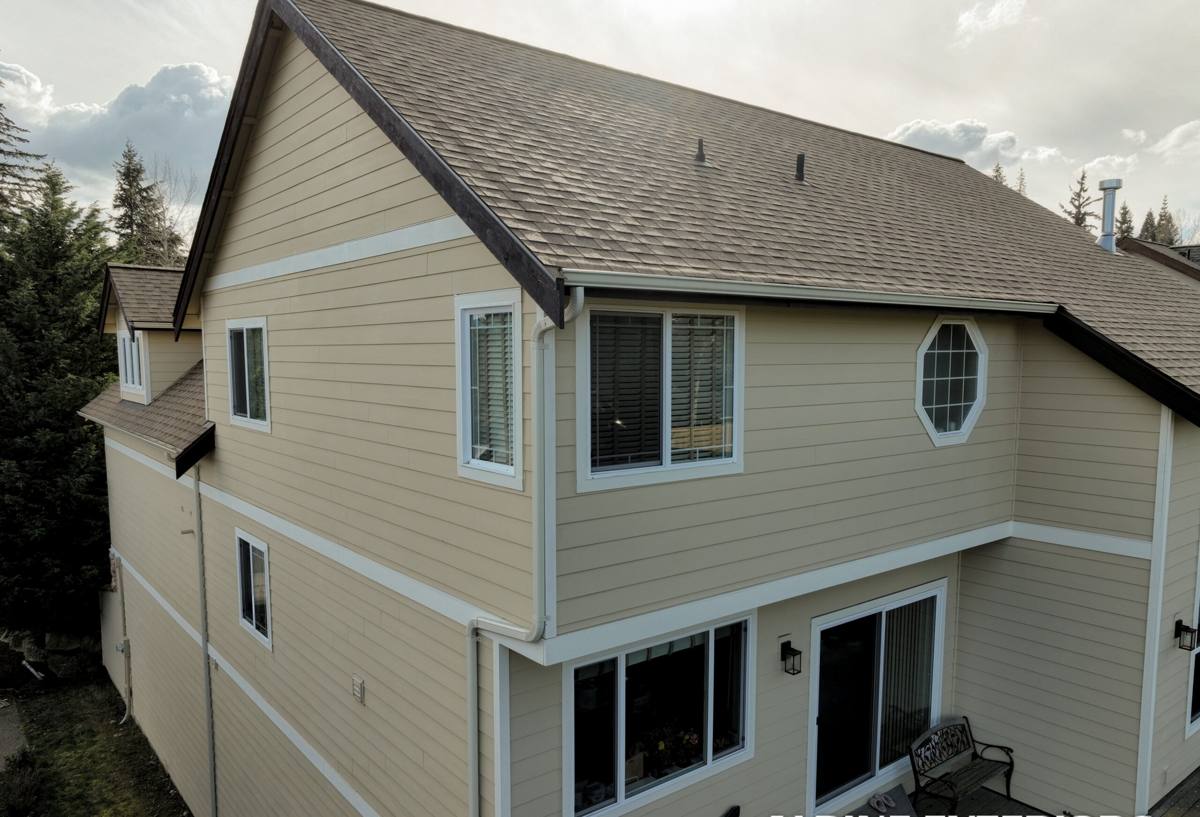
What the Climate Actually Does to Windows Here
Hurricane-force wind events are the obvious threat, but they're not the only thing working against a window in Osprey. Intense, year-round UV breaks down weatherstripping, low-quality vinyl, and sealants faster than a more moderate climate would, and once those components degrade, a window loses both its air seal and its energy performance at the same time — a drafty, sun-baked window is rarely efficient no matter what its original rating was. Wind-driven rain, both during storms and in routine summer squalls, tests flashing and drainage details constantly. And salt air off the Gulf and the Intracoastal corrodes hardware, fasteners, and lesser frame materials on an ongoing basis, not just during named storms.
Heat gain works differently depending on which side of the house you're on. West- and south-facing glass in Osprey takes the harshest afternoon sun, and a window without the right coating on that exposure can measurably raise indoor temperature in the rooms behind it. That's why we don't spec the same glass package on every elevation of a home — the sun load on a west-facing lanai window and a shaded north-facing bedroom window aren't the same problem.
Where Energy Loss Actually Starts
On an older or poorly installed window, energy loss rarely comes from the glass alone. It comes from air leaking around a warped or corroded frame, from a seal that failed years ago and was never noticed, and from a gap between the window and the wall that was never sealed correctly on the original install. A brand-new, high-performance window installed with a sloppy air seal will still leak conditioned air and let heat in around the edges — the glass rating only tells part of the story.
What "Energy-Efficient" Actually Means for a Window
Two numbers matter most for cooling performance in this climate: the U-factor, which measures how much heat passes through the window overall, and the Solar Heat Gain Coefficient (SHGC), which measures how much solar heat the glass lets in. In a hot, sun-heavy market like Osprey, SHGC usually matters more than it would in a colder climate, because the priority is keeping solar heat out, not keeping furnace heat in. A Low-E coating tuned for this climate, combined with the right gas fill between panes and a well-insulated frame material, is what actually lowers both numbers into a range that makes a real difference on a Florida cooling bill.
Frame material affects both energy performance and how well the window holds up to salt air and UV over time. Here's how the common options generally compare for a coastal Sarasota County home:
| Frame Material | Energy Performance | Coastal Durability |
|---|---|---|
| Vinyl | Good insulator, performs well with quality reinforcement | Holds up well to salt air; can discolor over time with lower-grade formulations |
| Fiberglass | Very good insulator, dimensionally stable in heat | Excellent — resists corrosion and UV degradation better than most alternatives |
| Aluminum | Poor insulator unless thermally broken | Prone to corrosion from salt air without added protection |
| Wood (exterior-exposed) | Good insulator | Higher maintenance burden in humidity and salt air; needs a protected exterior finish |
We generally lead with vinyl or fiberglass for Osprey homes because they combine strong energy numbers with the lowest ongoing maintenance in salt air. Aluminum without a thermal break, and unprotected wood exteriors, tend to create more long-term upkeep and weaker cooling performance in this specific climate — that's a maintenance and performance trade-off we're upfront about, not a knock on any one manufacturer.
Energy-Efficient Window Situations We See in Osprey
- Older aluminum-frame replacements — homes built before modern energy codes, where single-pane or thin double-pane aluminum windows are driving up cooling costs
- West- and south-facing glass upgrades — rooms and lanais that take the worst of the afternoon sun and need a stronger SHGC-focused glass package
- Combined energy and impact upgrades — replacing older, non-rated windows with a single product that meets both wind protection and energy goals
- Sliding glass door and window combinations — common in Florida rooms, where large glass areas have an outsized effect on both heat gain and storm exposure
- Renovation and addition projects — new or expanded openings that need to be planned for energy performance from the start, not retrofitted later
- Condensation and comfort complaints — rooms that never feel comfortable regardless of thermostat setting, often traced back to old glass or a failed seal
What a Correct Energy-Efficient Window Job Involves
Assessment and Orientation Planning
We start by looking at each elevation of the home separately — a west-facing wall of glass and a shaded, north-facing window aren't the same problem, and they don't need the same glass package. We also check the condition of the existing openings, since rot, corrosion, or old flashing failures around a window are common in coastal homes and need to be addressed before a new unit goes in, not discovered after.
Product Selection for Sun and Wind Exposure
Based on that assessment, we spec U-factor and SHGC ratings appropriate to each elevation's sun exposure, and confirm the impact rating needed for the property's specific wind exposure under Florida Building Code. The goal is a product that's genuinely efficient for this climate, not just a window that carries an efficient-sounding label from a cooler part of the country.
Installation and Air-Sealing
This is where a lot of a window's real-world energy performance is won or lost. Proper shimming, a continuous air seal around the full perimeter, and correctly sequenced flashing all matter as much as the glass itself — a well-rated window with a sloppy install will still leak air and let heat in around the frame. We build the air-sealing and weatherproofing plan around the specific opening rather than treating installation as an afterthought to the product choice.
Finish, Hardware, and Corrosion Protection
Salt air works on fasteners, locks, and hardware continuously, not just during storms. We spec corrosion-resistant hardware as standard practice on coastal installs and finish sealant joints and trim to hold up to sustained UV and salt exposure over time.
Quick Checklist Before You Order
- Ask for the U-factor and SHGC ratings, not just a general "energy-efficient" label
- Confirm the impact rating required for your property's specific wind exposure
- Ask how glass packages differ by elevation — west- and south-facing walls should be treated differently
- Get the air-sealing and flashing plan explained, not just the product brochure
- Confirm hardware and fasteners are corrosion-resistant, not standard-grade
- Ask whether the window unit and the installation labor carry separate warranties
Our Process, Start to Finish
- On-site assessment — we evaluate each elevation's sun exposure, wind exposure, and the condition of the existing openings
- Honest recommendation — glass package, frame material, and impact rating explained in plain terms, with the reasoning behind each choice
- Ordering and lead time — a realistic timeline, since impact-rated, high-performance units are typically built to order
- Removal and opening prep — old units come out carefully, with any hidden rot, corrosion, or flashing issues addressed before the new window goes in
- Installation and air-sealing — the new unit is set, shimmed, and sealed to perform as designed, not just to fit the opening
- Flashing, trim, and final inspection — weatherproofing finished and checked before we call the job complete
Costs and Trade-Offs
| Factor | What Changes the Price |
|---|---|
| Glass package | Higher-performance Low-E coatings and gas fills cost more upfront but do more to cut cooling costs on sun-exposed walls |
| Impact rating required | Direct coastal exposure typically calls for a higher-rated unit than a more sheltered inland wall |
| Opening condition | Rot, corrosion, or prior flashing failures on older homes add repair work before the new unit goes in |
| Frame material | Fiberglass and quality vinyl generally cost less to maintain long-term in salt air than unprotected wood or bare aluminum |
| Number of units | A full-home or matched-set replacement typically has better per-unit economics than one-off replacements |
Why Hiring a Crew That Already Works Osprey Matters
Manufacturer specs are written for average conditions, and Osprey's combination of intense sun, salt air, and hurricane-force wind exposure isn't average. A crew that doesn't work this stretch of Sarasota County regularly can get the energy rating right on paper and still miss the details that determine how the window actually performs — which elevations really need the stronger SHGC glass, how much extra attention a sealant joint needs given constant UV and salt cycling, what anchoring pattern holds up to real wind load rather than just the code minimum. Those are judgment calls made on site, not something a spec sheet decides for you.
We work in Osprey and the surrounding Sarasota County area regularly, so we're not guessing at how a particular exposure or wall type tends to hold up here over time. That's the difference between a window that's still sealed tight and cutting your cooling bill after a few hurricane seasons, and one that starts leaking air and losing efficiency within a couple of years.
Ready When You Are
If your cooling bills feel high for the size of your home, a room never feels comfortable no matter the thermostat setting, or you're planning ahead for storm season and lower energy costs at the same time, it's worth having someone assess the actual windows and exposure before you start pricing units. We offer free, no-pressure estimates for energy-efficient window projects in Osprey and the surrounding Sarasota County area — use the form below to get a time on the schedule.