 Sarasota Siding
 Windows Built for Southside Village's Climate, Not a Catalog Photo
Southside Village sits close to downtown Sarasota, with a mix of older bungalow-style homes and newer renovations under a mature tree canopy just blocks from Sarasota Bay. That location is part of what makes the neighborhood desirable, and it's also exactly why windows here take more abuse than windows a few hours inland. Salt-laden air moves through this part of Sarasota County year-round, UV exposure is intense for most of the year, and the same storm systems that bring wind-driven rain in summer and fall also bring hurricane-force gusts that test every seam, frame, and piece of glass in a home's exterior.
A window that's marketed as "energy-efficient" in a national big-box catalog was engineered for an average U.S. climate, not for a coastal Gulf Coast neighborhood. Doing this job right in Southside Village means starting with a window rated for this specific combination of heat, humidity, salt, and wind — then installing it correctly, because even the best-rated window fails early if it's flashed and sealed like it's going into a house in Ohio.
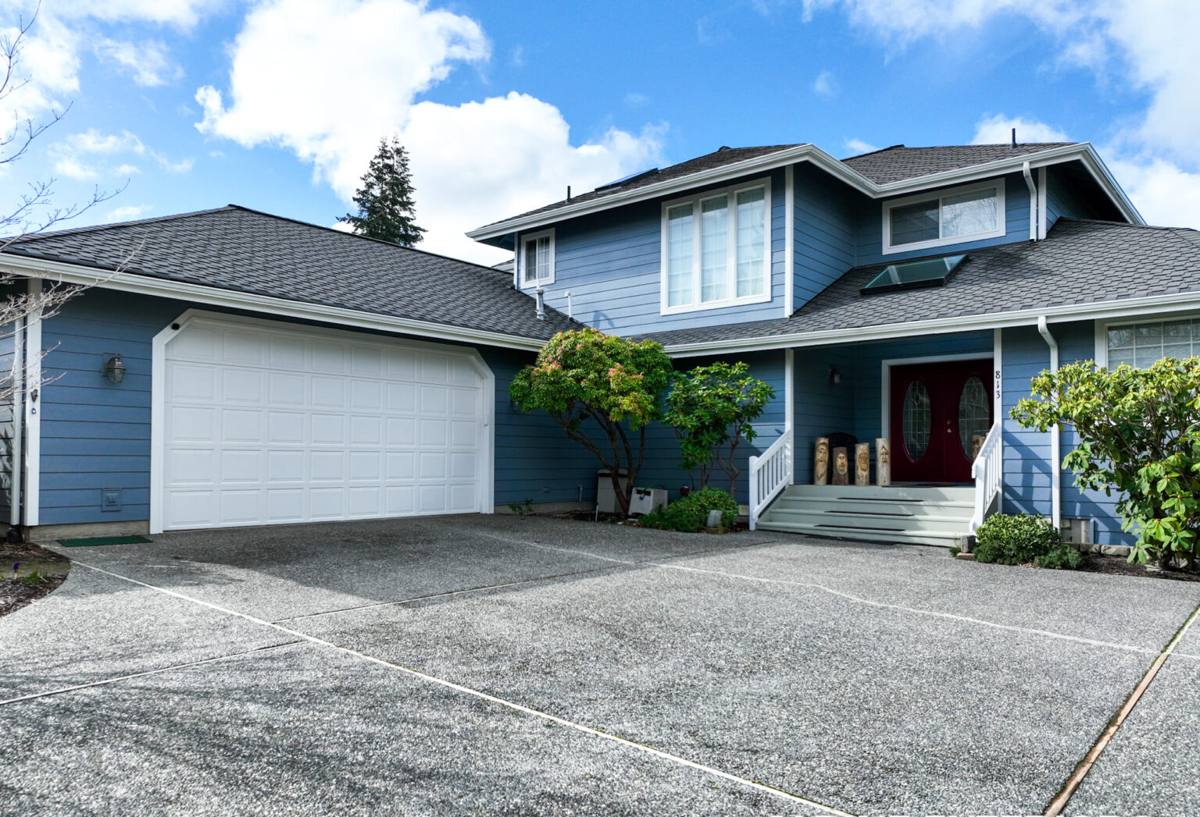
What "Energy-Efficient" Actually Means for a Sarasota Home
Energy efficiency in a Sarasota home is mostly about keeping heat and UV out, not keeping heat in. That's a different job than in colder climates, and it changes which numbers on a window's label actually matter.
- Low-E coatings reflect solar heat and UV before it enters the home, cutting the load on your air conditioner during the long Florida cooling season.
- SHGC (Solar Heat Gain Coefficient) matters more here than U-factor. A lower SHGC means less solar heat getting through the glass, which is the main driver of cooling cost in this climate.
- Frame material and construction determine how well the window resists salt-air corrosion and UV degradation over years of Sarasota sun, not just its day-one insulating value.
- Air infiltration ratings matter for humidity control — a window that leaks air also lets humid air in, which stresses your AC and can contribute to condensation issues indoors.
A window package chosen for these priorities, installed correctly, pays for itself through a more stable indoor temperature and a lower cooling bill — not just a marketing sticker.
Signs Your Southside Village Home's Windows Are Costing You Money
Many homes in this neighborhood still have original or older-generation windows, and the signs of underperformance are usually gradual enough that homeowners adjust around them rather than noticing the problem directly.
- Rooms near west- or south-facing windows feel noticeably hotter in the afternoon, even with the AC running.
- Frames show chalking, pitting, or a rough, corroded texture — a common result of long-term salt air exposure this close to the water.
- Condensation forms between panes on double-glazed units, meaning the seal has failed and the insulating gas or air gap is gone.
- Windows are hard to open, don't latch flush, or let in a whistle of air during windy weather.
- Your energy bills climb faster year over year than a comparable home's, even without changes in usage.
Any one of these is a reasonable trigger to get a professional opinion before the underlying frame or surrounding structure takes on water damage.
What a Correct Installation Actually Involves
Removal and Opening Inspection
Every install starts with removing the old unit and inspecting the rough opening — sill, header, and framing — for rot, prior water intrusion, or settling. In older Southside Village homes, this step often reveals the real condition of the wall behind the window, which a simple sales measurement never catches. Skipping this inspection is how new windows end up sealed against a compromised opening.
Flashing and Sealing
This is the step that determines whether a window survives its first serious wind-driven rain event. Proper flashing directs water away from the framing rather than trusting caulk alone to keep the wall dry. In a climate with wind-driven rain as a regular occurrence, flashing details are not optional extras — they're the difference between a window that lasts decades and one that causes hidden rot within a few years.
Fastening and Structural Attachment
Windows in wind-exposed areas need to be fastened according to the manufacturer's tested installation instructions and local code requirements, using the correct fastener type, spacing, and embedment. This is especially true for impact-rated units, where the glass can be rated correctly but the whole assembly still fails if it isn't anchored the way it was engineered to be anchored.
Interior and Exterior Finish Work
The last step is finishing — trim, caulking, and touch-up — done in a way that doesn't trap moisture against the frame or wood trim. Rushed finish work is a common source of callbacks, and it's usually invisible until a problem shows up months later.
Impact-Rated vs. Standard Energy-Efficient Windows
Many Southside Village homeowners ask whether they need impact-rated glass or whether a standard energy-efficient window with separate storm protection is enough. Both are legitimate approaches, and the right one depends on your home's location, your storm protection plans, and your budget. Much of Sarasota County falls within a wind-borne debris region under the Florida Building Code, which affects what's required for new installations — we'll walk through what applies to your specific address as part of the estimate.
| Factor | Impact-Rated Windows | Standard Windows + Shutters/Panels |
|---|---|---|
| Storm prep effort | None — always protected | Requires installing coverings before each storm |
| Upfront cost | Higher per opening | Lower window cost, plus separate shutter/panel cost |
| Daily appearance | Unchanged, no visible hardware | Clean unless shutters are deployed or track-mounted |
| UV and noise reduction | Generally stronger, laminated glass | Depends on glass package chosen |
| Code compliance path | Meets opening protection requirement directly | Meets requirement only if coverings are code-rated and installed in time |
Neither option is "wrong" — it's a trade-off between paying more upfront for convenience and lower long-term effort, versus a lower initial cost with an added task every time a storm approaches. We'll lay out both honestly for your home rather than pushing whichever is more profitable to sell.
Our Process, Start to Finish
- Free on-site estimate: We measure openings, assess current window and frame condition, and talk through your priorities — energy performance, storm protection, budget, or all three.
- Product selection: We recommend window packages suited to Southside Village's sun exposure and salt air, in a style that fits your home rather than a one-size-fits-all pitch.
- Permitting: Window replacement in the City of Sarasota and unincorporated Sarasota County generally requires a permit and inspection. We handle that paperwork so it isn't left to you.
- Installation: Removal, opening inspection, flashing, fastening, and finish work performed by a crew that installs windows in this climate as its regular trade, not an occasional side job.
- Final walkthrough and inspection sign-off: We confirm operation, sealing, and finish quality with you before considering the job complete, and coordinate the final inspection.
What Drives the Cost of This Project
| Cost Factor | Why It Matters |
|---|---|
| Impact-rated vs. standard glass | Impact glass costs more per unit but removes the need for separate storm coverings |
| Number and size of openings | Larger and more numerous windows increase both material and labor cost |
| Frame material | Vinyl, aluminum, and composite frames differ in upfront cost and long-term salt-air durability |
| Opening condition | Rot or damage found behind old windows adds repair work before the new unit goes in |
| Access and home layout | Second-story or hard-to-reach openings take more labor time than ground-floor windows |
We give a specific number after seeing your home, not a phone-quote guess — the ranges above are meant to help you plan the conversation, not to replace it.
Questions Worth Asking Any Window Contractor
- Are you licensed to do this work in Sarasota County, and can you provide proof?
- Will you pull the permit, or is that left to me?
- What's the SHGC and U-factor on the specific product you're quoting, not just the brand name?
- How do you flash and seal the opening, and can you explain it in plain terms?
- What's the warranty on both the product and your labor, and who do I call if something goes wrong later?
Why a Crew That Already Works Southside Village Matters
Southside Village has a distinct mix of older and newer construction packed into a compact, established neighborhood near downtown Sarasota. A crew that regularly works this specific area already knows what to expect from openings of a certain age, has a feel for the permitting process with the City of Sarasota, and isn't learning on your house how to handle a stucco reveal or an older wood-framed opening common to homes in this part of town. That familiarity shows up as fewer surprises mid-project and a faster, more predictable timeline — not a sales pitch, just the practical benefit of local repetition.
Protecting Your Investment After Installation
New windows are not fully maintenance-free in this climate, even with a quality install. A short annual routine keeps them performing and keeps warranties valid:
- Rinse frames and glass periodically to remove salt residue, especially after dry, windy stretches.
- Inspect exterior caulking and sealant lines once a year for cracking or gaps.
- Operate and lubricate hardware a few times a year so mechanisms don't seize from disuse.
- Watch for any soft spots in surrounding trim or stucco after major storms, and address them promptly.
If you're weighing your options for windows in Southside Village, we're happy to take a look at your home and give you a straightforward assessment — no pressure, no hard sell. Use the form below to request a free estimate.