 Sarasota Siding
 Fruitville Homes Face a Specific Set of Window Problems
Fruitville sits inland enough from the Gulf to feel a little removed from beachfront conditions, but it still gets the full Sarasota County treatment: long stretches of intense UV, sudden wind-driven downpours in summer and fall, and the outer bands of tropical systems that push through Southwest Florida almost every year. Add in the humidity that never really lets up, and windows here are working harder than windows in most parts of the country.
Older aluminum-frame windows in this area tend to show their age the same way, over and over: frames that have pitted or corroded, glazing that's gone cloudy between the panes, weep holes clogged with pollen and grit, and seals that have dried out and cracked from years of sun exposure. None of that is a defect in the original construction so much as it's what Central Florida weather does to windows over fifteen or twenty years. Custom window work in Fruitville isn't about upgrading for its own sake — it's about matching the window to conditions that are genuinely tougher than what most manufacturers design a stock window for.
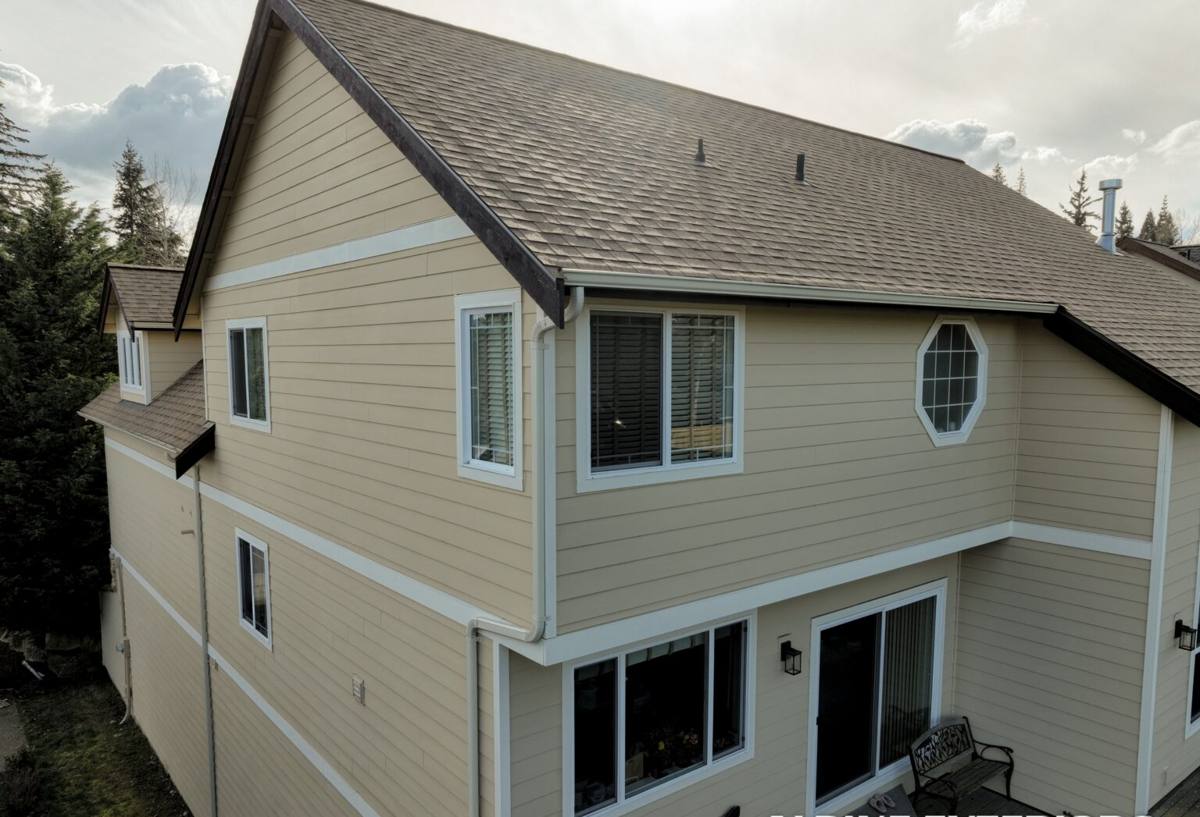
What "Custom" Actually Means for a Window Installation
Custom doesn't mean decorative or expensive for its own sake. In practical terms, it means the window is built and specified for the actual opening and the actual load requirements of your house, rather than pulled off a shelf in a standard size and shimmed to fit. That distinction matters more in Sarasota County than in most places because of wind load.
Sizing and Fit
Many older Fruitville homes — especially those built before more recent code cycles — have window openings that don't match today's standard manufacturer sizes. A true custom window is measured and built to that exact rough opening, which means a tighter, more consistent seal around the entire frame instead of gaps packed with foam or trim to make a stock size work.
Wind and Impact Rating
Sarasota County falls within Florida's High Velocity Hurricane Zone influence and requires windows rated for the wind speeds mapped to your specific address and exposure category. Custom windows are ordered with the design pressure (DP) rating your house actually needs, not a generic rating that happens to be close enough.
Glass Package
From impact-rated laminated glass to low-E coatings tuned for west-facing afternoon sun, the glass itself gets specified for the orientation and exposure of each opening — a west-facing kitchen window and a shaded north-facing bedroom window don't need identical glass to perform well.
Florida Building Code and What It Means for Your Project
Any window replacement in Sarasota County has to meet the Florida Building Code's wind-borne debris and pressure requirements for your specific wind zone. In practice, that means every new window installed needs either impact-rated glass or an approved shutter/protection system, and it needs a Florida Product Approval (FL# or Miami-Dade NOA) number tied to the specific window model and how it's installed.
This isn't paperwork for its own sake. A window that isn't properly rated and permitted can create real problems at resale, during an insurance inspection, or after a storm if a claim is denied because the installed product doesn't match what code required. A contractor who pulls the correct permit, uses a properly rated product, and documents the installation is protecting your investment as much as your house.
- Permit pulled and inspected through Sarasota County or the applicable jurisdiction
- Window model matched to an active Florida Product Approval or Miami-Dade NOA
- Design pressure rating confirmed against your home's exposure category
- Installation method matches what the product approval actually requires (fastener type, spacing, sealant)
- Final inspection documentation kept for your records and future insurance needs
Frame and Glass Options Worth Weighing
There's no single "best" window for every house — the right choice depends on your budget, how exposed the opening is, and how much upkeep you want to take on. Here's how the common options compare for a Fruitville home:
| Option | Strengths | Trade-offs |
|---|---|---|
| Vinyl frame, impact glass | Low maintenance, good insulation, competitive cost | Limited color range, can expand/contract in extreme heat if poorly installed |
| Aluminum frame, impact glass | Strong, slim sightlines, holds up structurally | Conducts heat more than vinyl, needs a quality thermal break |
| Fiberglass frame | Very stable in heat, low expansion, long service life | Higher upfront cost than vinyl or aluminum |
| Non-impact glass + shutters | Lower glass cost | Requires manual shutter deployment before every storm; added step, added risk if missed |
We steer most Fruitville customers toward impact-rated glass over the shutter-dependent route simply because it removes a step you have to remember to do under stress, and it protects the opening around the clock — not just when someone's had time to put shutters up before a storm arrives.
How Our Fruitville Window Process Works
1. On-Site Assessment
We look at every opening individually — orientation, current frame condition, signs of water intrusion, and whether the surrounding stucco or trim needs attention before new windows go in. A window installed over a hidden moisture problem doesn't solve anything; it just covers it up.
2. Measuring and Ordering
Each opening is measured to the exact rough opening dimensions, and windows are ordered with the design pressure rating and glass package appropriate to that specific location on the house.
3. Permitting
We handle the permit application through the applicable Sarasota County process before work begins, so the installation is documented and inspected properly rather than done off the books.
4. Removal and Installation
Old windows come out carefully to protect the surrounding stucco, drywall, and trim. New windows go in plumb, level, and square, anchored per the product's approved installation method, then sealed with a proper flashing and sealant system — not just caulk around the outside edge.
5. Inspection and Walkthrough
Once the county inspection is passed, we walk the job with you, operate every window, and confirm everything closes, locks, and seals the way it should before we consider the job finished.
Signs a Fruitville Home's Windows Need Attention
A lot of window problems develop slowly enough that homeowners get used to them before recognizing they're actually a problem. Watch for these:
- Fogging or a permanent haze between panes — the seal has failed and the insulating gas has escaped
- Windows that are hard to open, close, or lock, especially after humid weather
- Visible daylight or a draft around the frame when the window is closed
- Soft spots, staining, or bubbling paint on the wall or trim below a window
- Chalky, pitted, or corroded aluminum frames
- A noticeable jump in cooling costs without any other explanation
- Frames that no longer carry a visible or documented impact rating for a home in a wind-borne debris region
Any one of these on its own might not mean full replacement is urgent, but a few of them together — especially on windows that are original to an older home — usually means it's time for an honest assessment rather than another round of caulk and hope.
What Drives the Cost of a Custom Window Project
Every house is different, so we won't quote a number without seeing the openings, but these are the main factors that move the price up or down:
| Factor | Effect on Cost |
|---|---|
| Number and size of openings | More and larger windows increase total material and labor |
| Frame material | Vinyl is typically most affordable; fiberglass runs higher |
| Impact rating requirement | Impact-rated glass costs more than standard glass but replaces the need for shutters |
| Existing opening condition | Rot, corrosion, or out-of-square openings add repair time before install |
| Stucco or trim repair | Openings needing stucco patch-back or new trim add labor |
| Custom shapes or sizes | Non-standard geometry (arches, unusual widths) costs more than standard rectangles |
Replacing a handful of windows is a very different project than replacing every opening on the house, and we'll break the numbers down line by line so you know exactly what you're paying for and why.
Keeping New Windows Performing Long-Term
A properly installed custom window should last decades, but Sarasota County conditions still call for some basic upkeep:
- Rinse frames and glass periodically to clear salt residue and pollen buildup
- Keep weep holes at the base of the frame clear of debris so water can drain out
- Check and re-lubricate hardware (locks, cranks, rollers) once a year
- Inspect exterior sealant annually and have gaps addressed before they let water in
- After any major storm, do a visual check for cracked glass, loosened frames, or damaged seals
Why Local Experience in Fruitville Matters
A window contractor who already works this part of Sarasota County knows what the permitting process actually requires here, understands which wind exposure category applies to different pockets of the area, and has seen firsthand how the local building stock — stucco-over-block construction, specific trim details, older aluminum-frame originals — behaves over time. That's different from a crew that's generalized across dozens of unrelated markets and treats every job the same way.
It also means fewer surprises during the project. We know what inspectors here are looking for, we know how Fruitville's climate treats different frame materials over a five- and ten-year horizon, and we build that knowledge into the recommendation instead of defaulting to whatever's easiest to sell.
Get a Straight Answer on Your Windows
If your Fruitville home's windows are original, foggy, hard to operate, or you're just not sure whether they still meet current wind and impact requirements, we'll come take a look and give you a clear, no-pressure assessment. Use the form below to request a free estimate, and we'll walk you through exactly what your home needs and why.