 Sarasota Siding
 Metal Roofing Built for Fruitville's Climate
Fruitville sits inland enough to avoid direct coastal spray but still gets the full weather package that defines Sarasota County: long stretches of intense UV, sudden downpours that turn into wind-driven rain, and tropical systems that can push sustained hurricane-force gusts across the area. Roofs here don't fail from one dramatic event as often as they fail from years of steady punishment — heat cycling, moisture intrusion at weak points, and fasteners or seals that were never rated for the load in the first place. Metal roofing, installed correctly, is one of the few systems built to shrug off that combination for decades instead of years.
This page is about metal roofing specifically for homes in Fruitville — what the climate actually does to a roof here, what a correct metal roof installation requires, and how our process works when we take on a project in this part of Sarasota County.
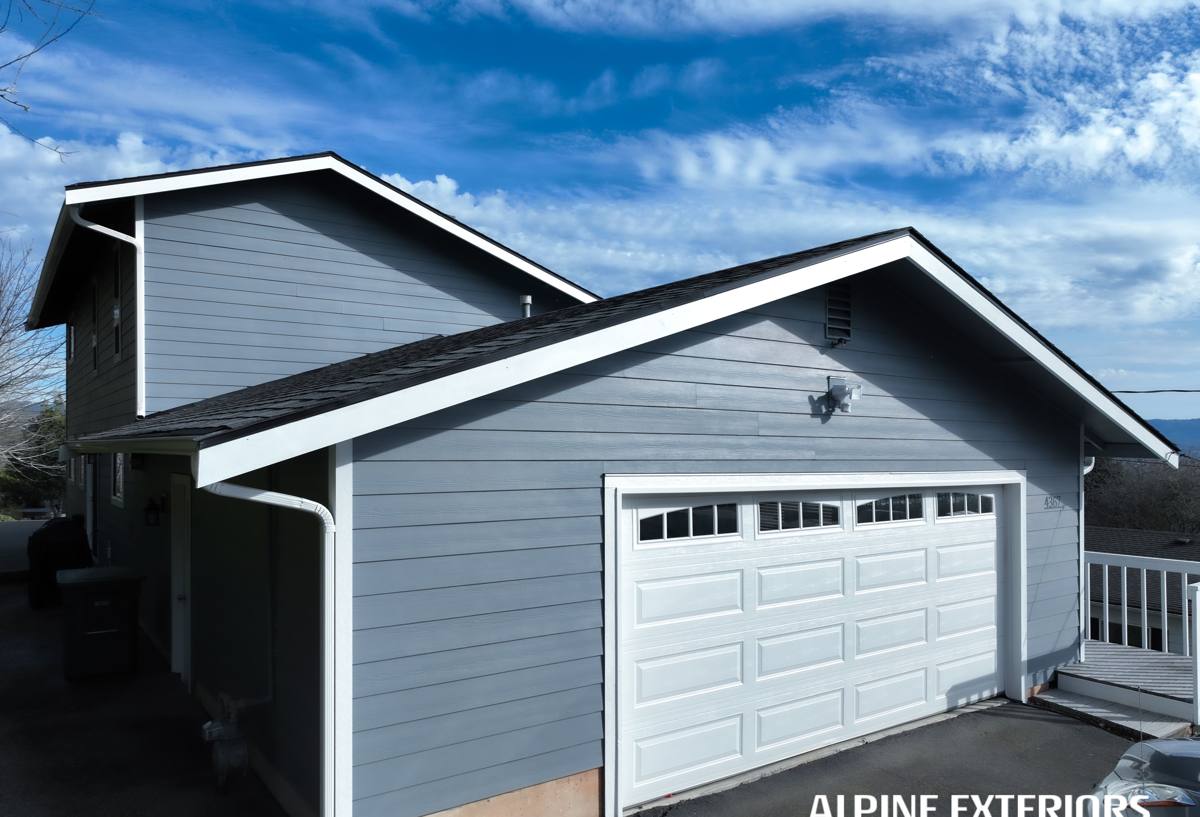
What Sarasota County Weather Does to a Roof Over Time
Before talking about metal panels, it helps to understand the forces they're up against. Every roofing decision in this area is really a decision about how to handle four things:
Wind
Fruitville is well within the wind zones that Florida's building code takes seriously. Uplift — wind getting under a roof edge or panel and prying it upward — is the mechanism that causes most storm damage, not wind simply pushing down on a roof. A roofing system is only as strong as its weakest attachment point.
UV and heat
Sarasota gets sun exposure most of the year. Asphalt shingles absorb and hold heat, which accelerates the breakdown of the asphalt binders over time. Roofing materials and colors that reflect more of that solar load stay cooler and age more slowly.
Wind-driven rain
Florida storms rarely produce rain that just falls straight down. Wind pushes water sideways and upward under laps, around penetrations, and into any gap that a calmer climate's roofing details might get away with ignoring. Flashing and underlayment details matter more here than in most parts of the country.
Salt air and humidity
Even away from the immediate coastline, Sarasota County's air carries more salt and moisture than an inland state would. That accelerates corrosion on unprotected metal fasteners, flashing, and trim — which is exactly why fastener and coating choice on a metal roof isn't a minor detail.
Why Metal Roofing Makes Sense in Fruitville
Metal roofing isn't automatically the right fit for every home or budget, but for the conditions described above, it addresses each one directly rather than working around it.
Wind performance
A properly engineered metal roofing system — correct panel gauge, correct fastening pattern or clip spacing, correct edge and ridge detailing — is built around resisting uplift, which is the actual failure mode in high-wind events. The metal itself doesn't crack, curl, or lift the way aging shingles do.
Heat reflectivity
Lighter-colored and reflective metal finishes bounce a meaningful amount of solar heat away from the roof deck instead of absorbing it, which can ease the load on attic temperatures and cooling costs during Florida's long warm season.
Corrosion resistance — when the details are right
Quality metal roofing systems use coated steel or aluminum with factory-applied finishes designed for coastal and near-coastal exposure, paired with fasteners rated for the same conditions. The panel material matters, but so does every screw, flashing piece, and sealant used alongside it — mixing a good panel with the wrong fasteners undermines the whole system.
Longevity
Metal roofing is a long-service-life investment. It won't need the same cycle of granule loss, curling, and patch repairs that shingle roofs go through in this climate, which matters for homeowners planning to stay put for decades.
Panel Types and Fastening Systems
Not all metal roofing is the same product wearing different colors. The panel type and fastening method affect wind performance, maintenance needs, and appearance.
| System | How it's fastened | Best fit | Trade-offs |
|---|---|---|---|
| Standing seam | Concealed clips, no exposed fasteners through the panel face | Homes wanting the strongest long-term seal and cleanest look | Higher upfront cost; requires skilled installation |
| Exposed-fastener panel | Screws driven through the panel face into the deck or purlins | Budget-conscious projects, outbuildings, some residential applications | Fastener seals and washers need periodic inspection and eventual re-torquing or replacement |
| Stone-coated steel | Concealed or partially concealed, depending on profile | Homeowners wanting a shingle or tile look with metal's wind performance | More installation steps; profile choice affects water shedding at low slopes |
We'll walk through which system fits a given roof's slope, structure, and budget rather than defaulting to one option for every home.
What a Correct Metal Roof Installation Involves
Metal roofing has a reputation for lasting decades, but that reputation only holds when the installation gets a handful of details right. A metal roof is not just panels — it's a system.
Deck inspection and prep
Before any panel goes down, the roof deck needs to be sound. Soft, rotted, or water-damaged sheathing has to be identified and replaced — installing a premium roof over a compromised deck just hides a problem instead of solving it.
Underlayment
A high-quality synthetic or self-adhering underlayment acts as the roof's backup water barrier. In a climate with wind-driven rain, this layer is doing real work whenever wind pushes water past the panel laps, not just in the rare event of a panel breach.
Flashing at every penetration and transition
Valleys, sidewalls, chimneys, vent pipes, and roof-to-wall transitions are where most leaks actually originate — not the open field of the roof. Correct flashing detail at each of these points is non-negotiable.
Fastening pattern and clip spacing
Manufacturers publish fastening schedules based on wind zone and exposure category. Following that schedule — not shortcutting spacing to save time — is what gives the roof its rated wind resistance.
Sealant and expansion allowance
Metal expands and contracts with temperature swings. Panels and fasteners need room and the right sealant approach to move without working loose or cracking a rigid seal over time.
Ventilation
A metal roof still needs proper attic or roof-deck ventilation. Trapped heat and moisture under a metal roof can cause condensation issues that have nothing to do with the panels themselves and everything to do with airflow.
Our Process for Fruitville Metal Roofing Projects
We keep the process straightforward and communicate at each stage rather than disappearing between the estimate and the finished job.
- On-site inspection and measurement — we look at the existing deck, roof slope, penetrations, and any current problem areas before recommending a system.
- Written proposal — panel type, fastening system, underlayment, flashing plan, and cost laid out clearly, with options where they make sense.
- Permitting — Sarasota County requires permits for roofing work, and we handle that process rather than leaving it to the homeowner.
- Tear-off or overlay prep — deck repairs are addressed before any new material goes down.
- Installation — underlayment, flashing, and panels installed to manufacturer specification and local wind-load requirements.
- Cleanup and final walkthrough — job site cleared of debris and fasteners, and we walk the finished roof with the homeowner.
- Final inspection — coordinated with the county as required to close out the permit.
What Affects the Cost of a Metal Roof
Metal roofing typically costs more upfront than asphalt shingles, but the right way to evaluate it is against its service life and reduced repair frequency, not just a per-square price.
| Factor | Why it matters |
|---|---|
| Panel system chosen | Standing seam costs more than exposed-fastener panel due to material and labor complexity |
| Roof complexity | More valleys, hips, dormers, and penetrations mean more flashing work and labor time |
| Current deck condition | Rotted or damaged sheathing found during tear-off adds repair cost but shouldn't be skipped |
| Tear-off vs. overlay | Removing old roofing adds labor but allows full deck inspection, which we generally recommend |
| Roof pitch and access | Steeper or harder-to-access roofs require more safety setup and labor time |
| Finish and coating | Higher-grade coatings cost more but hold up longer against UV and salt air |
We provide itemized, honest quotes so a homeowner can see exactly what's driving the number rather than a single lump sum.
Maintenance That Actually Matters
Metal roofs need far less maintenance than shingle roofs, but "low maintenance" doesn't mean "no maintenance." A short annual routine catches small issues before they become expensive ones.
- Clear leaves, debris, and standing water from valleys and around penetrations
- Check exposed fasteners (on exposed-fastener systems) for backing out or worn washers
- Inspect flashing around chimneys, vents, and wall transitions for gaps or sealant wear
- Look for scratches or scuffs in the finish after storms, since exposed bare metal can corrode faster
- Confirm gutters are draining properly, since metal roofs shed water quickly and gutters need to keep up
- After any major wind event, do a visual check for lifted panels, loose trim, or displaced fasteners
Why Hiring a Crew That Already Works Fruitville Matters
Metal roofing installation quality varies enormously between crews, and the gap usually isn't visible until years later when a corner-cut detail finally fails. A crew that regularly works in Fruitville and the surrounding Sarasota County area already understands the wind-load requirements that apply here, knows what the county permitting and inspection process expects, and has seen firsthand how flashing, fastener, and coating choices hold up — or don't — in this specific combination of heat, humidity, and storm exposure. That local track record is what turns a metal roof from a good material choice into a roof that actually performs for its full expected lifespan.
If you're weighing metal roofing for a home in Fruitville, we're happy to take a look and walk you through what your roof specifically needs — no pressure, no obligation. Request a free estimate through the form below and we'll schedule a time to come out and inspect the roof in person.