 Sarasota Siding
 Roofing Fruitville Homes for the Climate They Actually Face
Fruitville sits inland from the barrier islands, but "inland" in Sarasota County doesn't mean sheltered. A new roof out here still has to survive the same hurricane season, the same relentless UV load, and wind-driven rain that comes sideways off tropical systems and afternoon storms alike. Add in the salt-laden air that carries well past the coastline on sea breezes, and you've got a roofing environment that's tougher than most manufacturers' warranty literature assumes.
This page is about one job in one area: installing a new roof on a Fruitville home, done correctly for local conditions rather than to the bare minimum a permit requires. Whether your current roof is failing, aging out, or was damaged by storms, the decisions you make on this project will determine whether you're doing this again in twelve years or in twenty-five.
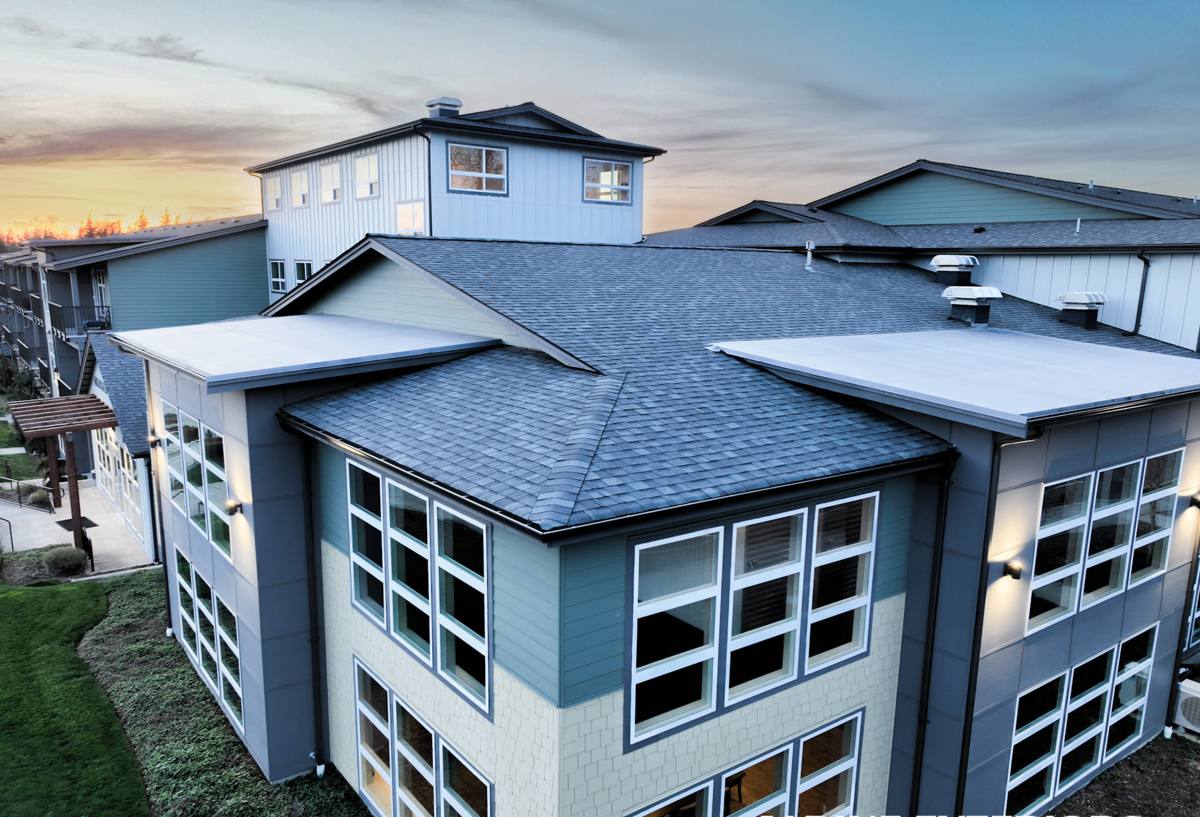
Signs a Fruitville Roof Needs Replacement, Not Another Repair
Not every roof problem calls for a full tear-off. But a lot of homeowners spend money on repairs to a roof that's already past the point where repair makes sense. Some honest signals it's time to replace rather than patch:
- Shingles that are cupping, curling, or losing granules in large patches rather than isolated spots
- Multiple past repairs in different areas of the roof, rather than one contained issue
- Visible sagging in the roof deck, especially near valleys or where two roof planes meet
- Daylight visible through the attic or soft, discolored decking when viewed from inside
- A roof that's 18+ years old on asphalt shingle, or showing wear consistent with its expected lifespan
- Repeated leaks after wind-driven rain events, even when no obvious damage is visible from the ground
If your roof is closer to end-of-life than not, patch-and-repeat repairs usually cost more over a few years than one properly done replacement — and each patch is a seam that can fail again in the next storm.
What a Correctly Installed Roof Actually Involves
A new roof is more than shingles nailed to plywood. In a wind and rain environment like Sarasota County's, the parts you don't see matter as much as the parts you do.
The Roof Deck
Before anything new goes down, the deck gets inspected — every sheet. Soft, delaminated, or water-stained plywood gets replaced, not covered over. A new roof installed over a compromised deck fails from the inside regardless of how good the shingles are.
Underlayment and the Secondary Water Barrier
This is the layer that protects your home if wind ever lifts or damages the outer roofing material during a storm. We install a full underlayment system with properly sealed seams and fastener patterns rated for high wind — treating it as the actual water barrier it is, not a formality between the deck and the shingles.
Flashing and Penetrations
Valleys, chimneys, vent pipes, and roof-to-wall transitions are where most roof leaks actually start — not out in the open field of the roof. Correct flashing detail at every penetration and transition is non-negotiable, and it's the kind of work that's easy to shortcut and hard to inspect after the fact.
Attachment and Wind Rating
How the roofing material is fastened to the deck, and how the deck and trusses are tied to the walls, determines how the roof performs in a hurricane-force wind event. Nailing patterns, fastener type and spacing, and roof-to-wall connections (straps or clips) all get specified to match Florida Building Code wind provisions for this area — not the lighter standards used in calmer climates.
Choosing a Roofing Material for a Fruitville Home
There's no single "best" roofing material — the right choice depends on your home's structure, your budget, and how long you plan to stay in the house. Here's how the common options compare for this climate:
| Material | Typical Lifespan | Wind Performance | Maintenance | Cost Factor |
|---|---|---|---|---|
| Architectural asphalt shingle | 20–30 years | Good, with high-wind-rated products and proper fastening | Low to moderate | Lowest upfront |
| Concrete or clay tile | 40–50+ years | Very good when correctly fastened; individual tiles can crack from impact | Occasional tile replacement | Higher upfront, adds roof weight |
| Standing seam metal | 40–60 years | Excellent; performs well in sustained high wind | Low | Highest upfront |
Homes originally built for tile or metal generally need to stay in that category, since the roof structure was engineered around that weight and attachment method. If you're switching materials — say, from tile to shingle or vice versa — that's a structural conversation, not just a product choice, and we'll walk through it before anything is ordered.
The Roof-Over Question
Some older re-roofing jobs used to install new shingles directly over an existing layer to save money. Florida's building code has moved firmly away from that practice, and for good reason: a roof-over traps moisture between layers, hides the condition of the deck, and voids most manufacturer warranties outright. Our standard is a full tear-off on every replacement — it costs more than a roof-over, but it's the only way to actually inspect and warranty the deck, and it's what current code expects for a legitimate new roof.
Permits, Code, and Insurance in Sarasota County
A new roof installation in unincorporated Sarasota County requires a building permit and inspection — that's not optional, and it shouldn't be skipped by a contractor looking to move faster. Permitted work also matters for resale and for insurance claims down the road; an unpermitted roof can complicate both.
Beyond the permit itself, Sarasota County homeowners can benefit from a wind mitigation inspection after a new roof goes in. Insurers look at things like:
- Roof shape (hip roofs generally perform better in wind than gable roofs)
- Roof-to-wall connection type (clips vs. straps vs. toe-nailed)
- Roof deck attachment method and nailing pattern
- Presence of a secondary water barrier
- Opening protection (impact windows, shutters, or rated garage doors)
A new roof is a natural point to improve several of these at once, which can translate into meaningful premium savings. We document the details that matter for that inspection as we go, rather than leaving you to guess after the fact.
Our Installation Process
- Inspection and estimate — we assess the current roof, deck condition, and any storm damage, and give you a straight answer on repair versus replacement.
- Material selection — we walk through the options above based on your home, budget, and how long you're planning to stay in it.
- Permitting — we pull the required Sarasota County permit before work begins.
- Tear-off and deck inspection — full removal of the old roofing, with every deck sheet checked and any damaged sections replaced.
- Underlayment and flashing — the water barrier and all flashing details go in before a single shingle, tile, or metal panel is installed.
- Installation — the roofing material goes on to the fastening and wind-rating specifications for this area.
- Final inspection and cleanup — county inspection, a full site walk with you, and a thorough cleanup, including a magnetic sweep for stray fasteners.
Why It Matters That We Already Work in Fruitville
Roofing code, wind requirements, and permitting are handled at the county and state level, so a crew that regularly works Sarasota County jobs already knows what the inspector will look for and what the code actually requires — not what a generic national playbook assumes. That familiarity shows up in fewer permitting delays, fewer surprises during inspection, and a crew that isn't learning the local requirements on your project.
It also means we're not disappearing after the job is done. If a question comes up after the next big storm, you're calling a local contractor who installed the roof and stands behind it — not chasing down a crew that worked the area for one season and moved on.
What to Ask Before You Hire
Whoever you choose for this job, a few basics protect you regardless of price or timeline:
- Are they licensed to do roofing work in Florida, and can they show proof of insurance?
- Will they pull the permit themselves, or is that left to you?
- Do they commit to a full tear-off, or are they offering to install over the existing roof?
- Can they explain, in plain terms, what underlayment and fastening system they're using and why?
- Do they provide a written estimate that specifies materials, not just a lump total?
- Are they familiar with Sarasota County's permitting and wind mitigation requirements specifically?
A contractor who answers these plainly, without dodging or vague reassurance, is worth far more than the lowest number on a bid sheet.
Ready to Talk About Your Roof?
If your roof is showing its age, was hit by storm damage, or you're just tired of chasing repairs, we're happy to take a look and give you a straight assessment — no pressure, no scare tactics. Fill out the form below for a free estimate on new roof installation for your Fruitville home.