 Sarasota Siding
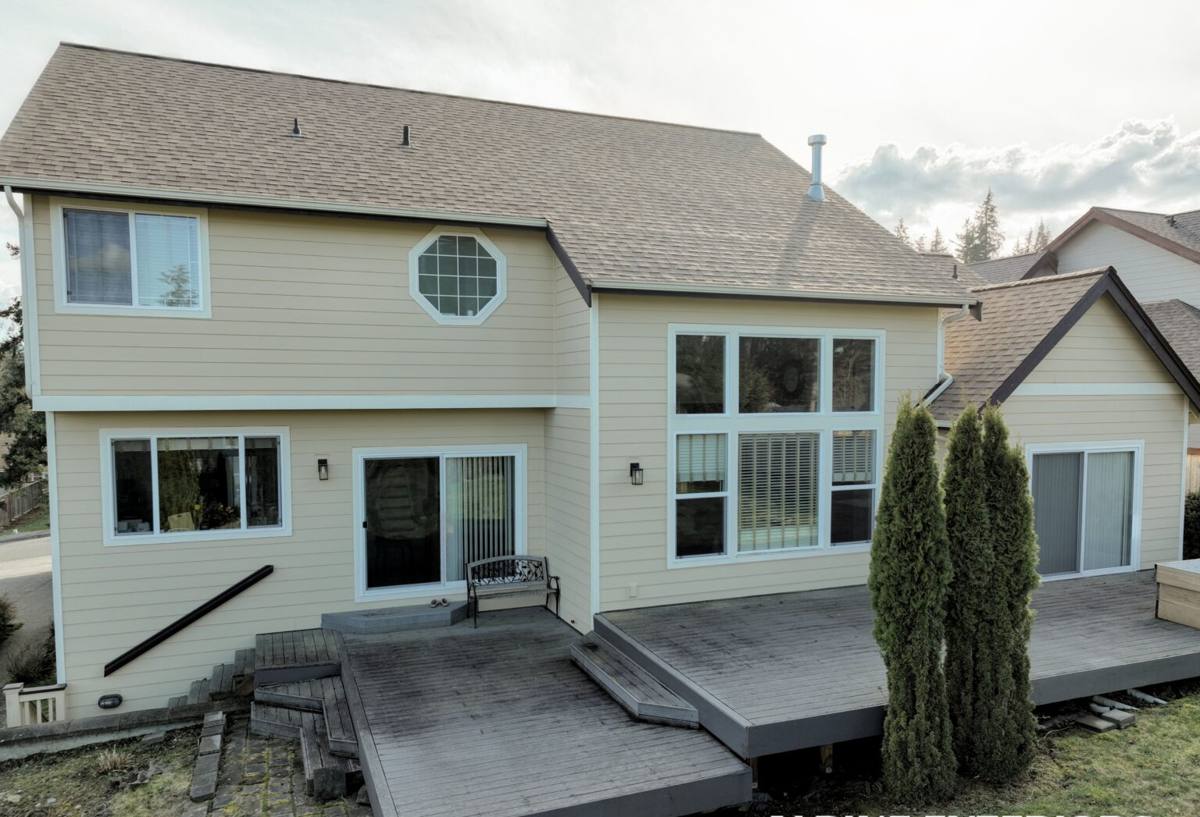
 Deck Building for Gulf Gate Estates Homes
Gulf Gate Estates is one of Sarasota's established residential neighborhoods, with a mix of older ranch-style homes and updated properties on modest lots not far from the Gulf. A lot of the housing stock here was built well before today's wind and moisture codes existed, which means the decks and porches attached to those homes were often built to an older standard too — or added on later without much thought for what Sarasota County's climate actually does to exterior wood and hardware over time. When we build or replace a deck in this neighborhood, we're not just building a platform to stand on. We're building something that has to survive intense UV exposure almost every day of the year, salt-laden air blowing in off the Gulf, sudden wind-driven downpours, and the real possibility of hurricane-force wind at some point in its life.
This page focuses specifically on deck building in Gulf Gate Estates — what the local climate demands, what a properly built deck actually involves below the decking boards, and why working with a crew that already knows this neighborhood's conditions matters more than picking whatever material looks best in a showroom.
What Sarasota's Climate Does to a Deck
Every deck in Sarasota County is fighting the same four things, whether the owner realizes it or not:
- UV exposure: Florida sun is intense and nearly constant. Untreated or poorly finished wood grays and checks quickly; even some composite boards will fade or chalk faster than their northern-market ratings suggest.
- Salt air: Being close to the Gulf means airborne salt settles on everything, including fasteners, railing brackets, and structural connectors. Standard zinc-coated screws and hangers corrode faster here than in most of the country.
- Wind-driven rain: Afternoon storms don't just fall straight down — they blow in sideways, driving water into ledger connections, under flashing, and into end grain on boards that aren't sealed on all six sides.
- Hurricane-force wind: Even a deck that never sees a direct hurricane hit will experience repeated high-wind events over its life. Railing posts, guard connections, and the ledger-to-house attachment all need to be built for uplift and lateral load, not just for someone leaning on the rail.
None of this is unique to Gulf Gate Estates specifically, but it's worth saying plainly: this is coastal Sarasota County, and a deck built the way it might be built inland in Georgia or Ohio will fail here years earlier than it should.
Decking Material Choices That Make Sense Locally
Pressure-Treated Wood
Pressure-treated pine is still the least expensive framing and decking option, and it's a reasonable choice for a budget-conscious project if the owner is committed to real upkeep — annual cleaning, periodic sealing, and prompt attention to any spot where water pools. Left unmaintained in this climate, it will check, cup, and gray faster than most owners expect.
Composite and Capped Composite
Composite decking (especially fully capped boards) resists moisture absorption and doesn't need staining or sealing, which is a real advantage against wind-driven rain and salt humidity. The trade-off is upfront cost and, with some product lines, heat retention — dark composite boards can get noticeably hot underfoot on a full-sun Sarasota afternoon. Lighter color tones perform better here for that reason.
Tropical Hardwoods
Hardwoods like ipe are extremely dense and naturally rot-resistant, which suits this climate well, but they're heavier, pricier, and less forgiving to install — fastener spacing and pre-drilling matter more, and not every crew is set up to work with them correctly.
PVC Decking
Cellular PVC is fully synthetic, doesn't absorb water at all, and holds up well to salt air, but it can feel and sound different underfoot than wood or composite, and some owners find that a downside rather than a feature.
| Material | Upfront Cost | Maintenance | Best Fit For |
|---|---|---|---|
| Pressure-treated wood | Lowest | Annual cleaning/sealing | Budget builds, owners willing to maintain |
| Composite (capped) | Mid-high | Occasional wash, no sealing | Low-maintenance priority, long-term owners |
| Tropical hardwood | High | Periodic oiling optional | Owners wanting a natural-wood look that lasts |
| PVC | High | Minimal | Maximum moisture/salt resistance |
What's Actually Underneath the Boards
The decking material gets all the attention, but the framing, fasteners, and connections are what determine whether a deck survives a decade of Sarasota storms or starts failing in three or four years. A correct build in this area includes:
Fasteners and Hardware
Stainless steel or high-grade coated fasteners rated for coastal/salt exposure, not the standard hardware sold for inland climates. Joist hangers, post bases, and hurricane ties should match that same corrosion-resistant standard — mixing a good deck board with cheap hardware underneath just moves the failure point out of sight.
Ledger Attachment
Where the deck attaches to the house is the single most important connection on the whole structure, and it's the point most likely to leak if flashed incorrectly. Proper flashing and a correctly bolted (not just nailed) ledger keep wind-driven rain from working its way into the house's structure over time.
Footings and Post Bases
Sarasota County soil and local code requirements dictate footing depth and post base detailing. Post bases should hold the post above grade and off standing water, which matters during our wet season and any heavy-rain event.
Guard and Railing Connections
Railings take real lateral load from people leaning on them, and in a storm they take wind load too. Post-to-frame connections need to be through-bolted and blocked, not just toe-screwed.
Permitting and Code in Sarasota County
Decks are structures, and in Sarasota County that means a permit and inspection process — even for a straightforward ground-level or attached deck. Requirements touch on footing depth, ledger attachment method, guard height and spacing (baluster gaps matter for safety code), and stair geometry if the deck has steps. Skipping the permit might save time upfront, but it can create real problems later: at resale, with insurance claims after storm damage, or if the work has to be opened up and redone to pass a retroactive inspection. We pull permits and schedule inspections as a standard part of every deck project — it's not an upsell, it's how the job gets done correctly.
How We Approach a Gulf Gate Estates Deck Project
1. On-Site Assessment
We look at the existing structure (if there is one), the house's ledger wall, soil and drainage around the footprint, and how much sun and wind exposure the deck will actually see in that specific spot on the lot.
2. Design and Material Selection
We talk through material trade-offs honestly — cost, maintenance, heat underfoot, and how the deck will be used — rather than pushing whatever has the best margin. The right answer is different for a rental property than for a forever home.
3. Permitting
We handle the permit submission and coordinate required inspections with Sarasota County so the homeowner isn't stuck figuring out the process themselves.
4. Build
Framing and connections are built to the coastal-hardware standard described above, not the minimum inland spec. Decking is installed with proper spacing for drainage and expansion.
5. Final Walkthrough
We walk the finished deck with the homeowner, cover basic care for whichever material was chosen, and make sure every rail, stair, and connection is solid before we call the job done.
Why a Crew That Works This Neighborhood Matters
Gulf Gate Estates has its own mix of lot sizes, older home foundations, and mature landscaping that affects where a deck can go and how it ties into the house. A crew that regularly works in this part of Sarasota County already knows the local permitting office's expectations, has a feel for the soil conditions common in the neighborhood, and isn't guessing at wind-load requirements for the first time on your project. That familiarity shows up in fewer surprises during permitting, fewer inspection callbacks, and a build that accounts for this specific climate from the first footing dug.
What Drives Deck Building Costs Here
| Cost Factor | Why It Matters |
|---|---|
| Decking material | Wood, composite, hardwood, and PVC span a wide price range and different maintenance costs over time |
| Deck size and height | Larger footprints and elevated decks require more framing, footings, and stair structure |
| Attachment type | Ledger-attached decks need careful flashing work; freestanding decks need more independent footings |
| Railing style | Cable, glass, and custom railing systems cost more than standard baluster rail |
| Site access | Tight side yards or mature landscaping can add labor time for material staging and equipment |
| Permit and inspection scope | Larger or elevated decks may require engineering review, adding time and cost |
Maintenance: What Actually Extends a Deck's Life Here
- Rinse salt residue and debris off the deck surface periodically, especially after storms
- Check fastener heads and railing connections once or twice a year for corrosion or loosening
- Reseal or restain wood decking on a regular schedule — don't wait until it's visibly gray
- Clear leaves and organic debris from between boards so moisture doesn't sit trapped
- Inspect ledger flashing and any wall penetrations for signs of water intrusion after heavy rain
- Watch footings and post bases for standing water after our wet-season storms
Questions Worth Asking Before You Hire
- Is the contractor licensed to work in Sarasota County, and will they pull the permit themselves?
- Do they use stainless or coated coastal-grade fasteners as standard, or only on request?
- Can they explain, in plain terms, how the ledger will be flashed and attached?
- Do they offer more than one decking material option, or push a single product regardless of fit?
- Will they schedule the required inspections, or leave that step to the homeowner?
If you're weighing a new deck or a replacement for an aging one in Gulf Gate Estates, we're happy to walk the site, talk through material options honestly, and put together a free, no-pressure estimate — just fill out the form below.