 Sarasota Siding
 Windows Built for What Gulf Gate Estates Actually Deals With
Gulf Gate Estates sits close enough to the Gulf that salt air, wind-driven rain, and intense year-round UV are part of daily life, and far enough inland that afternoon heat builds up fast once the sea breeze dies down. Windows here are doing more work than windows almost anywhere else in the country. They're holding back tropical storm and hurricane winds, keeping UV from cooking interiors and fading floors and furniture, resisting salt-laden moisture that corrodes weak hardware, and trying to keep a Florida air conditioner from running non-stop through a long, humid summer. A window that's just "decent" somewhere up north can be a real liability in a Sarasota County neighborhood like this one.
When we talk about energy-efficient windows for Gulf Gate Estates, we're not just talking about a lower utility bill, though that matters. We're talking about glass and frame systems engineered to handle heat gain, humidity, and coastal wind loads together, installed in a way that keeps water out of the wall system for the long haul. Get any one of those wrong and you end up with a window that looks fine for a year or two, then starts fogging, sticking, leaking, or letting the cooling bill creep up.
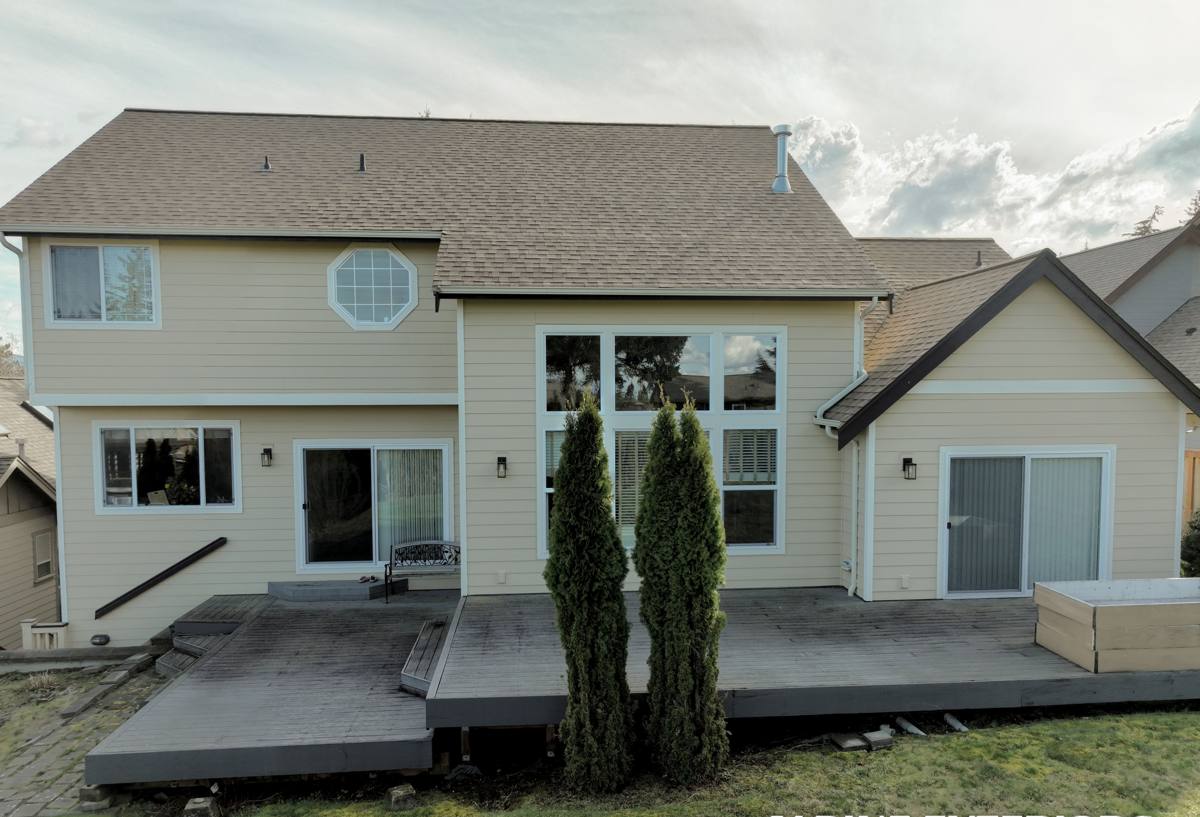
What Older and Newer Homes in the Area Tend to Need
Gulf Gate Estates has a mix of housing stock, from older single-story homes with original single-pane or early-generation aluminum windows to more recently updated properties. The needs differ depending on what's already in the wall:
Homes with original single-pane or early aluminum windows
These are usually the biggest opportunity for improvement. Single-pane glass and thin aluminum frames offer very little resistance to heat transfer, and after years of coastal exposure the frames and hardware are often corroded or no longer sealing tightly. Replacing these typically brings the most noticeable difference in comfort and AC performance, because you're going from essentially no thermal barrier to a properly glazed, weatherstripped assembly.
Homes with older double-pane or non-impact replacement windows
These may look fine but often have failed seals (visible as fogging or moisture between the panes), degraded low-E coatings, or frames that were never rated for the wind exposure this area sees. The window looks like an upgrade but isn't performing like one anymore.
Homes preparing for insurance or resale requirements
Many homeowners in this area are replacing windows specifically because of insurance underwriting, wind mitigation inspections, or a desire to document impact-resistant construction before a sale. In those cases, the paper trail — permits, product approvals, installation documentation — matters as much as the window itself.
Impact-Rated and Energy-Efficient Are Not the Same Thing — But They Should Work Together
A common misunderstanding is assuming "hurricane windows" and "energy-efficient windows" are two different product categories. They're not mutually exclusive, but they're also not automatically the same thing. Impact rating is about the glass and frame surviving windborne debris and sustained wind pressure without failing. Energy efficiency is about how much heat, UV, and air the assembly lets through when it's just sitting there on a normal day.
A window can be impact-rated and still perform poorly on energy efficiency if the glass package is basic. The good news is that most quality impact-rated systems today are built around laminated glass, which happens to block a large share of UV and does a reasonable job on sound and heat transfer as a byproduct of the lamination itself. Pairing that laminated glass with a low-E coating and the right gas fill gets you both properties in one window, instead of choosing one or the other.
What a Correct Window Installation Actually Involves
The window unit itself is maybe half the equation. In a wind and moisture environment like this one, installation quality is what determines whether the window performs for its full service life or starts causing problems in a few years.
- Opening prep and inspection: checking the rough opening for rot, deteriorated framing, or prior water intrusion before anything new goes in — installing over a hidden problem just seals it in.
- Flashing and weatherproofing: proper flashing tape and sealant sequencing so water is directed out and away from the wall cavity, not just caulked over on the surface.
- Correct fastening for wind load: anchors and fastener spacing matched to the window's tested and labeled requirements, not a generic pattern.
- Shimming and leveling: a window that's out of square puts uneven stress on the frame and hardware, which shortens the life of seals and locking mechanisms.
- Interior and exterior sealant: continuous, gap-free sealant beads on both sides, using products rated for sun and salt exposure, not standard interior caulk.
- Final operation check: every window opens, closes, locks, and seals correctly before we consider the job finished.
Why Sealing and Flashing Matter More Here Than Almost Anywhere
Wind-driven rain doesn't fall straight down — it gets pushed sideways and upward into gaps that would never see water in a calmer climate. A flashing detail that would be "good enough" inland can fail here within a couple of storm seasons. This is the step that separates a window installation that lasts from one that needs re-caulking every year.
Frame and Glass Options: A Practical Comparison
There's no single "best" window for every home — it depends on budget, the look you want, and how much of the coastal exposure your specific elevation takes on. Here's how the common options generally compare for this area:
| Option | Energy Performance | Coastal Durability | Maintenance |
|---|---|---|---|
| Vinyl frame, low-E insulated glass | Very good | Good — won't corrode, but can expand/contract in heat over time | Low |
| Fiberglass frame, low-E insulated glass | Very good to excellent | Excellent — dimensionally stable, resists salt exposure well | Low |
| Aluminum frame, thermally broken, low-E glass | Good (better than non-thermally-broken aluminum) | Good with quality coatings; needs a true thermal break to perform well | Moderate |
| Impact-rated laminated glass (any frame above) | Good UV and heat reduction as a side benefit of lamination | Excellent — built for wind-borne debris resistance | Low |
For most Gulf Gate Estates homes, we lean toward recommending impact-rated laminated glass paired with a low-E coating, in either a vinyl or fiberglass frame, as the balance of performance, durability, and value. Aluminum still has its place, particularly where sightlines or a specific architectural look matter, but it needs a genuine thermal break to compete on energy performance — a detail worth confirming rather than assuming.
How Our Process Works
1. On-site assessment
We look at your existing windows, note which openings are underperforming, corroded, or leaking, and talk through what matters most to you — comfort, storm protection, noise, resale value, or all of the above.
2. Product recommendation
Based on your home's exposure, orientation, and budget, we recommend specific frame and glass combinations rather than pushing one product line at every house. A window on a shaded, protected wall doesn't need the same spec as one facing open wind exposure.
3. Permitting
Window replacement in Sarasota County generally requires a permit, and impact-rated or wind-load-rated products need to carry the correct product approval documentation for the job to pass inspection. We handle this paperwork as part of the project so you're not chasing it down yourself.
4. Removal and installation
Old units come out carefully to protect surrounding drywall, stucco, or siding. New units go in following the flashing, sealing, and fastening steps outlined above — not shortcuts to save time.
5. Final walkthrough and inspection
We test every window's operation, check seals, and make sure everything is ready for the required inspection before we call the job complete.
Permits, Codes, and Documentation in Sarasota County
Florida's building code sets minimum requirements for window products based on wind exposure and design pressure, and Sarasota County enforces its own permitting and inspection process on top of that. Requirements can vary by exactly where a home sits and how it's classified, so we don't guess — we pull the correct product approvals and permits for each specific address rather than assuming one standard applies everywhere. If you're replacing windows partly for insurance purposes, keeping this documentation organized is just as important as the installation itself, since it's often what an adjuster or underwriter will ask to see.
Signs It's Time to Replace, Not Repair
- Fogging or a visible haze between panes of double-pane glass (a failed seal — this can't be fixed, only replaced)
- Windows that are difficult to open, close, or lock, especially after humid weather
- Visible corrosion, pitting, or chalky residue on aluminum frames
- Drafts or a noticeable temperature difference near the window even with it closed
- Water staining on the interior wall or sill after storms
- Rising cooling bills without a clear cause elsewhere in the home
- Single-pane glass anywhere it's original to an older home
Maintenance That Extends the Life of New Windows
Even a well-installed, high-quality window benefits from basic upkeep in this climate. Rinsing frames and glass periodically helps remove salt residue before it accelerates corrosion or dulls coatings. Checking exterior sealant once a year, especially after storm season, catches small cracks before they let water behind the frame. Keeping weep holes clear of debris lets the window drain the way it's designed to, and lubricating hardware occasionally keeps locks and rollers from binding in the humidity. None of this is heavy maintenance, but skipping it entirely does shorten a window's effective life here more than it would in a drier climate.
Why Local Experience in Gulf Gate Estates Matters
A crew that regularly works in this specific area understands the wind exposure categories, the permitting process at the county level, and the kinds of installation issues that actually show up in homes here — not generic advice pulled from a national playbook. That familiarity shows up in small but important ways: knowing which flashing details hold up to this area's wind-driven rain, understanding what inspectors are looking for, and being straightforward about which products are worth the investment for your specific home versus which upgrades sound good but don't add much for your situation. Honest, plain-English guidance matters more than an upsell.
If you're weighing whether to repair or replace, or just want a straight answer on what your home actually needs, we're happy to take a look. Reach out for a free, no-pressure estimate using the form below.