 Sarasota Siding
 Building a Deck That Holds Up in Lakewood Ranch
Lakewood Ranch sits inland from Sarasota, which spares it the direct salt spray you'd get on a barrier island, but it doesn't spare it from the rest of what Gulf Coast Florida throws at an outdoor structure. Hurricane-force wind events, months of intense UV exposure, wind-driven rain that finds its way into every gap, and humidity that never really lets up all wear on a deck differently than they would in a drier, cooler climate. A deck built to a generic national spec, or built by a crew that mostly frames houses inland in another state, tends to show its age here in a handful of years instead of a couple of decades. A deck built for this specific climate, on the other hand, can go the distance.
This page is about one thing: building decks correctly for Lakewood Ranch homes, from the footings up. Not a general overview of decking — the specific decisions that matter for this area.
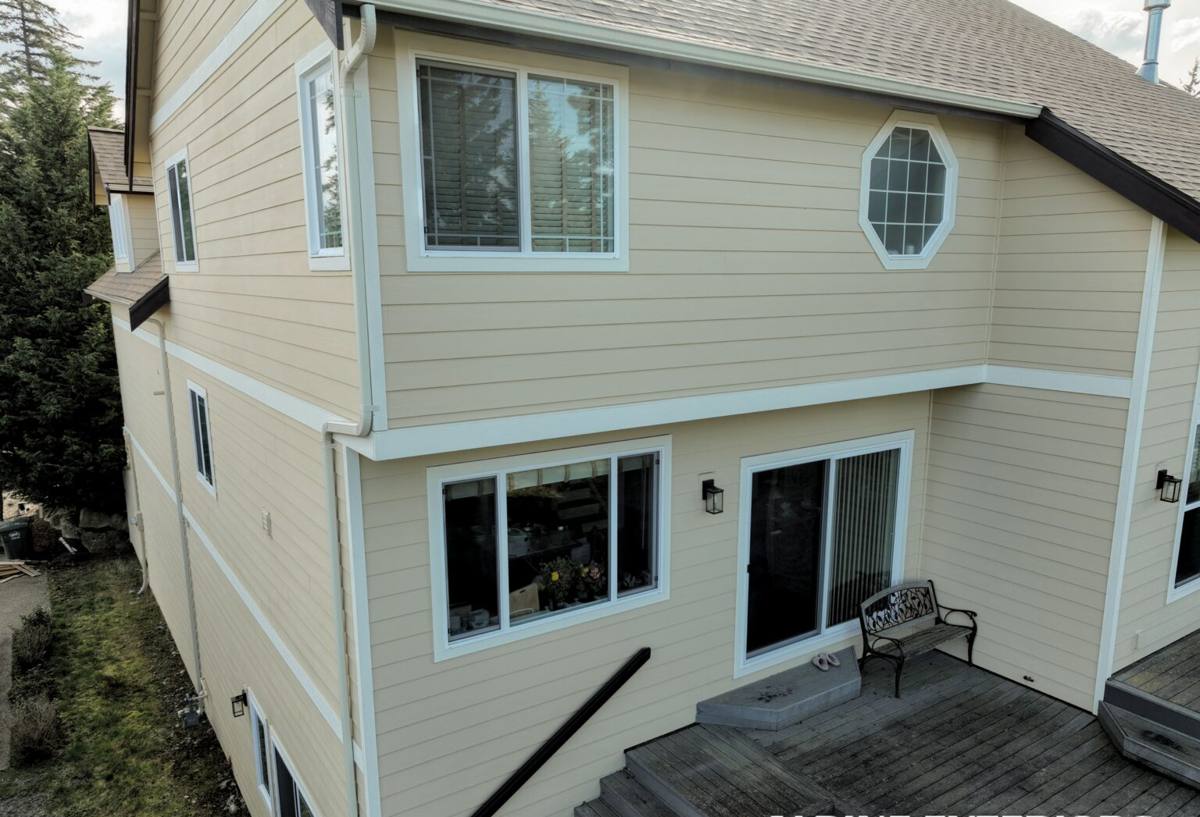
What Florida's Climate Actually Does to a Deck
Sun and UV
Florida gets more direct sun hours per year than almost anywhere else in the continental U.S., and UV breaks down materials at the molecular level over time. Untreated or poorly finished wood grays and splinters. Cheaper composite decking can fade unevenly or become brittle at the surface. Fasteners with plastic caps or coatings degrade faster than their spec sheets suggest when they're facing south or west with no shade. Material selection and finish matter more here than in a lot of the country.
Wind-Driven Rain and Humidity
It's not just how much rain falls — it's how it arrives. Wind-driven rain gets pushed sideways and upward into ledger connections, under railing posts, and into any seam that isn't properly flashed or sealed. Combine that with the humidity that sits over this region most of the year, and you get the conditions that cause rot, mold, and hardware corrosion in decks that weren't detailed for moisture management from the start.
Hurricane-Force Wind
Sarasota County sits in a wind zone that requires structures — including decks — to be engineered for uplift and lateral loads, not just the weight of people standing on them. A deck that isn't properly anchored, strapped, and connected to the house can rack, lift, or separate in a serious wind event. This isn't a hypothetical for this part of Florida; it's a design requirement.
Decking Material Options for Lakewood Ranch Homes
There's no single "right" decking material for every home — it depends on budget, how much maintenance you want to do, and how the deck will be used. Here's how the common options actually perform in this climate:
| Material | Upfront Cost | Maintenance | How It Handles This Climate |
|---|---|---|---|
| Pressure-treated pine | Lowest | Regular sealing/staining, roughly every 1-2 years | Affordable and strong, but needs consistent upkeep or it grays, cups, and splinters under Florida sun and moisture |
| Capped composite decking | Mid to high | Occasional washing, no staining or sealing | Handles UV and moisture well when properly ventilated underneath; a solid long-term choice for this area |
| Tropical hardwood (e.g. ipe-type species) | High | Periodic oiling if you want to keep the color; otherwise ages to gray naturally | Naturally dense and rot-resistant, but installation is unforgiving — pre-drilling and fastener choice matter a lot |
| Aluminum decking | High | Minimal | Excellent moisture and UV performance, stays cool-ish underfoot compared to some composites, good for pool decks |
We'll walk through these trade-offs honestly during your estimate — including where a cheaper option is genuinely fine for your situation and where it isn't.
The Structural Work Nobody Notices — Until It Fails
The decking boards are what you see. The parts that determine whether the deck survives a tropical storm season are underneath and out of sight.
Footings and Framing
Footing depth and size need to account for local soil conditions and the loads the Florida Building Code requires for this wind zone, not a generic minimum. Framing lumber should be rated for ground contact where it's near grade, and joist spacing needs to match the actual span and load, not just "what's typical."
Ledger Board Flashing
Where a deck attaches to the house is the single most common failure point we see on decks that weren't built for this climate. Without proper flashing, wind-driven rain works its way behind the ledger board and rots the rim joist and sheathing from the inside, often invisibly for years. This connection gets flashed and sealed correctly, every time.
Fasteners and Connectors
Galvanized or stainless steel structural connectors — joist hangers, post bases, hurricane ties — matter more here than in drier climates because humidity and moisture exposure accelerate corrosion in undersized or cheap hardware. We match fastener and connector ratings to the wood treatment and the exposure the deck will actually see.
Permits, Wind Load Code, and Lakewood Ranch HOA Requirements
Deck construction in Sarasota County requires a permit and inspection, and the structural design has to meet Florida Building Code wind load requirements for this zone — this isn't optional paperwork, it's what keeps the structure attached to your house in a storm. On top of that, Lakewood Ranch is a planned community with active homeowners' association oversight, and most neighborhoods within it require architectural review approval before construction starts — covering things like footprint, materials, railing style, and setbacks.
Missing either step causes real problems: an unpermitted deck can complicate a future home sale or insurance claim, and an HOA violation can mean a stop-work order or a forced modification after the deck is already built. We handle the permit submission and can provide what's typically needed for HOA/ARC review, so this isn't something you have to manage yourself.
Railings, Hardware, and Finish Details That Actually Last
Railings take a lot of abuse in this climate — hands, weather, and constant UV on top rails especially. A few things we build to as standard practice:
- Railing posts anchored with hardware rated for the wind loads required in this zone, not just screwed to the rim joist
- Stainless steel or coated structural screws at all structural connections, since standard exterior screws corrode faster in Florida's humidity than their box labels suggest
- Ledger and post-base flashing detailed to shed water away from end grain and fastener penetrations
- Under-deck ventilation gaps on composite and hardwood decking so moisture doesn't get trapped against the framing
- Fastener and hardware spacing that meets code minimums for uplift resistance, not just what "holds for now"
Our Deck Building Process
- On-site assessment — we look at your yard's grading, drainage, sun exposure, and how the deck will tie into the house before recommending anything
- Design and material selection — sized and specified for your budget, how you'll use the space, and the wind/moisture conditions here
- Permit and HOA documentation — we prepare and submit what Sarasota County and your HOA require
- Construction — footings, framing, flashing, decking, and railing built in that order, with structural connections inspected as we go
- Final walkthrough — we go over the finished deck with you, including what maintenance it does and doesn't need
Keeping a Lakewood Ranch Deck in Good Shape
A properly built deck in this climate still needs some basic upkeep. What that looks like depends on the material, but a general checklist for most Florida decks includes:
- Rinse debris and pollen off the surface periodically so it doesn't trap moisture against the boards
- Check for standing water after heavy rain — pooling anywhere on the deck usually means a drainage or slope issue worth addressing
- Inspect the ledger board area yearly for any signs of staining or softness, since this is the most moisture-exposed connection
- Re-seal or re-stain pressure-treated wood decking on the schedule your finish product recommends — usually every one to two years in this climate
- Tighten or replace any hardware showing rust or corrosion before it becomes a structural issue
- Trim back vegetation that shades the deck year-round, since constant dampness underneath speeds up wear
Why Local Experience with Lakewood Ranch Matters
A deck builder who already works in Lakewood Ranch and the wider Sarasota area knows the wind zone requirements without looking them up, has already been through the county permitting process, and understands what the local HOA architectural review committees typically expect before a project ever gets submitted. That familiarity saves time and avoids the back-and-forth that slows down projects for crews who are learning the local requirements as they go. It also means the structural decisions — footing depth, connector selection, flashing details — are based on what actually needs to hold up against Sarasota County's climate, not a one-size-fits-all approach imported from somewhere with milder weather.
If you're considering a new deck or replacing one that's showing its age, we're happy to take a look and talk through honest options for your home. Reach out for a free, no-pressure estimate using the form below.