 Sarasota Siding
 Lakewood Ranch Roofs Work Harder Than Most
Lakewood Ranch sits inland from the coast, but "inland" in Sarasota County still means hurricane-force wind gusts, torrential wind-driven rain during summer storm season, and some of the most intense year-round UV exposure in the country. None of that is unique to beachfront property. A roof here is asked to shed water fast, hold its seal against wind uplift, and survive daily UV bombardment that breaks down asphalt oils and dries out sealants faster than in most other parts of the country.
The result is a specific pattern of wear: granule loss and brittle shingles from sun exposure, lifted or cracked tiles from wind, and flashing and sealant failures around penetrations that let water in long before a homeowner sees a stain on the ceiling. Roof repair in this area isn't about matching a national checklist — it's about knowing which failure points show up first on Sarasota County roofs and catching them before a routine storm turns into an interior water problem.
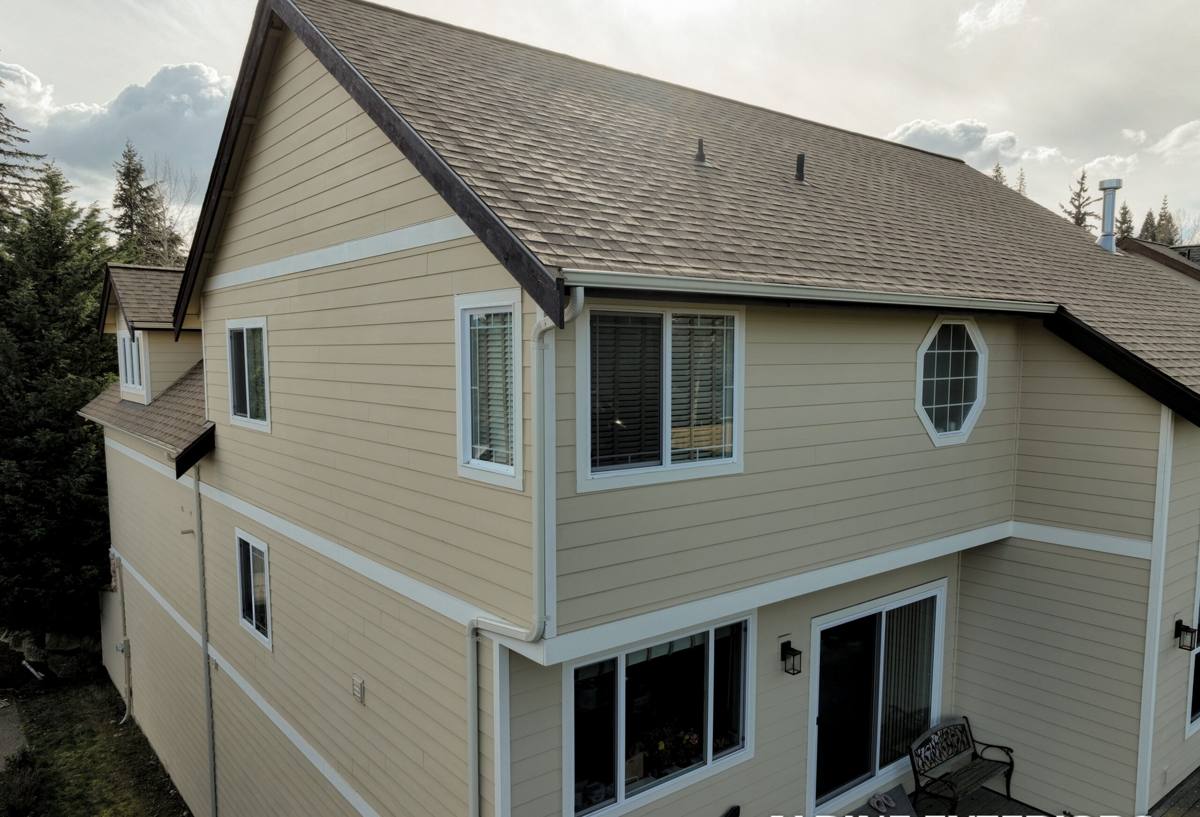
Signs a Repair Is Needed — Before It Becomes a Bigger Problem
Most roof damage doesn't announce itself with a leak. By the time water is visibly coming through a ceiling, it has usually been finding its way in for a while. Homeowners in Lakewood Ranch should treat these as reasons to get a roof looked at, not wait-and-see items:
- Missing, cracked, or curling shingles, especially after a storm with sustained wind
- Granules collecting in gutters or at downspout outlets — a sign the shingle surface is wearing thin
- Soft spots or slight sagging in the roof deck when walked (a sign of trapped moisture underneath)
- Cracked or discolored sealant around vents, skylights, or chimney flashing
- Water stains on interior ceilings or in the attic, even faint ones
- Visible daylight through the roof deck when viewed from inside the attic
- Loose or lifted tiles, or tiles that shift when pressed gently
Catching any of these early is almost always cheaper than the water damage, insulation replacement, and interior repair that follow once a leak has been running unnoticed.
What a Correct Roof Repair Actually Involves
A roof repair that's done right isn't just "patch the spot and move on." It starts with figuring out why the roof failed there in the first place — otherwise the same spot fails again in the next storm. On a typical repair call in this area, that means:
Diagnosis First
We trace leaks back to their actual entry point, which is often several feet from where the water stain shows up inside. Water travels along the underlayment and rafters before it drips, so an accurate repair depends on finding the real source — not just the visible symptom.
Matching the Existing System
Repairs need to integrate with what's already on the roof — same shingle profile and, where possible, matching color and manufacturer line, or the correct underlayment and flashing details for tile. A mismatched patch is a repair that looks wrong and often performs worse than the surrounding material because it doesn't shed water the same way.
Flashing and Penetration Work
A large share of the leaks we find in this area trace back to flashing — around chimneys, skylights, vent pipes, and roof-to-wall transitions — rather than the field of the roof itself. Flashing repair means removing and properly re-sealing or replacing the metal and underlayment at that joint, not just running a bead of caulk over the old seal.
Underlayment and Deck Condition
If water has been getting in for a while, the underlayment and even the wood deck underneath may be compromised. A repair that skips checking the deck can look complete on the surface while leaving rot or weakened plywood in place.
Roofing Materials Common in Lakewood Ranch — Repair Considerations
Lakewood Ranch has a mix of roofing materials depending on the neighborhood and age of construction. Each has different repair needs and different failure patterns under Florida sun and storms.
| Material | Common Failure Point | Repair Note |
|---|---|---|
| Asphalt shingle | UV-driven brittleness, wind-lifted tabs, granule loss | Individual shingles can often be replaced; matching color/line matters for appearance and warranty |
| Concrete or clay tile | Cracked or slipped tiles, underlayment failure beneath intact tiles | Tile itself often outlasts the underlayment below it — a "tile repair" is frequently an underlayment repair |
| Metal roofing | Fastener backout, sealant washer failure at screw penetrations | Repairs focus on fasteners and seams, not the panels themselves in most cases |
| Flat or low-slope sections (lanais, additions) | Ponding water, membrane seam separation | Requires membrane-specific repair methods, not shingle techniques |
Knowing which category a roof falls into — and knowing that a visible tile crack often isn't the actual leak source — is part of why an accurate diagnosis matters more than a fast patch.
How Our Repair Process Works
- Inspection. We get on the roof (or use a camera where a roof isn't safely walkable) and check the full system — shingles or tiles, flashing, penetrations, and visible deck condition from the attic side.
- Honest assessment. We tell you what's actually wrong, whether it's a contained repair or a sign of broader wear that means repair is a short-term fix. If a full section or full roof replacement makes more financial sense than repeated patching, we'll say so.
- Written scope and estimate. You get a clear description of what will be repaired and why, not just a price.
- The repair. Matching materials, correct flashing and underlayment technique, and cleanup when the work is done.
- Documentation. Photos of the damage and the completed repair — useful for your records and, if applicable, for an insurance claim.
Repair vs. Replacement — What Actually Drives the Decision
Not every roof problem calls for a full replacement, and not every leak is fixable with a simple patch. These are the factors that actually determine which makes sense:
| Factor | Leans Toward Repair | Leans Toward Replacement |
|---|---|---|
| Roof age | Well within expected service life | Near or past the material's typical lifespan |
| Extent of damage | Localized — one section, one penetration | Widespread wear across multiple areas |
| Underlayment condition | Sound underlayment, isolated surface damage | Underlayment failing broadly, not just at the leak site |
| Repair history | First or infrequent repair need | Same areas repeatedly needing repair |
| Insurance situation | Damage doesn't meet claim thresholds | Storm damage qualifies for a covered claim |
We won't sell a full replacement when a repair genuinely solves the problem, and we won't recommend patching a roof that's going to keep costing you money in repeat service calls. Broad cost ranges depend heavily on the material, roof pitch, and access — we'll give you real numbers after we've actually seen the roof, not a generic quote over the phone.
Insurance and Storm Damage
After a named storm or a significant wind event, Sarasota County homeowners often have a limited window to document and claim roof damage. If your repair need traces back to a storm, we photograph and document the damage in a way that supports your claim, and we can walk you through what an adjuster will typically want to see. We're not a public adjuster and we don't handle the claim itself, but a clear, well-documented repair estimate makes that process easier on your end.
Why a Crew That Already Works Lakewood Ranch Matters
Roof repair isn't a one-size-fits-all trade. A crew that regularly works Sarasota County roofs already knows which materials and construction details are common in Lakewood Ranch's homes, has relationships with local material suppliers for a faster color and profile match, and understands the permitting and inspection expectations in the county. That familiarity shows up in small but real ways — fewer surprises once we're on the roof, a repair that blends in instead of standing out, and a crew that shows up when they say they will because the job site isn't a long drive from the last one.
It also matters for follow-up. If a repair doesn't hold the way it should, or a new issue shows up nearby a year later, you're calling a local crew that can be back on your roof quickly — not chasing down a contractor who was only in the area for a single storm-chasing season.
Simple Roof Maintenance Between Repairs
A repair holds up longer when the rest of the roof is kept in reasonable shape. A few habits go a long way in this climate:
- Keep gutters and downspouts clear so water doesn't back up under the roof edge
- Trim overhanging branches that scrape shingles or tiles in wind
- Have the roof looked at after any major wind event, even if nothing looks obviously wrong from the ground
- Check the attic once or twice a year for early signs of moisture, musty smell, or daylight through the deck
- Don't ignore a small stain — get it checked before the next heavy rain
If you're dealing with a leak, storm damage, or a roof that just needs an honest look, we're glad to come out and give you a straightforward assessment. The estimate is free, there's no pressure to sign anything on the spot, and you'll know exactly what we found and what it would take to fix it — just fill out the form below to get started.