 Sarasota Siding
 New Roof Installation in Laurel Park
Laurel Park is one of Sarasota's older, established neighborhoods, which means a lot of its homes are carrying roofs that were installed decades ago under a very different building code than the one in place today. When a roof in this neighborhood reaches the end of its service life, replacing it isn't just about swapping old shingles for new ones. It's a chance to bring the whole roof assembly up to current Florida Building Code wind and water standards, which matters a great deal this close to the coast in Sarasota County.
This page covers what a full roof replacement actually involves, what Laurel Park's climate demands from the materials and installation, and how to tell a correct job from a rushed one before you sign a contract.
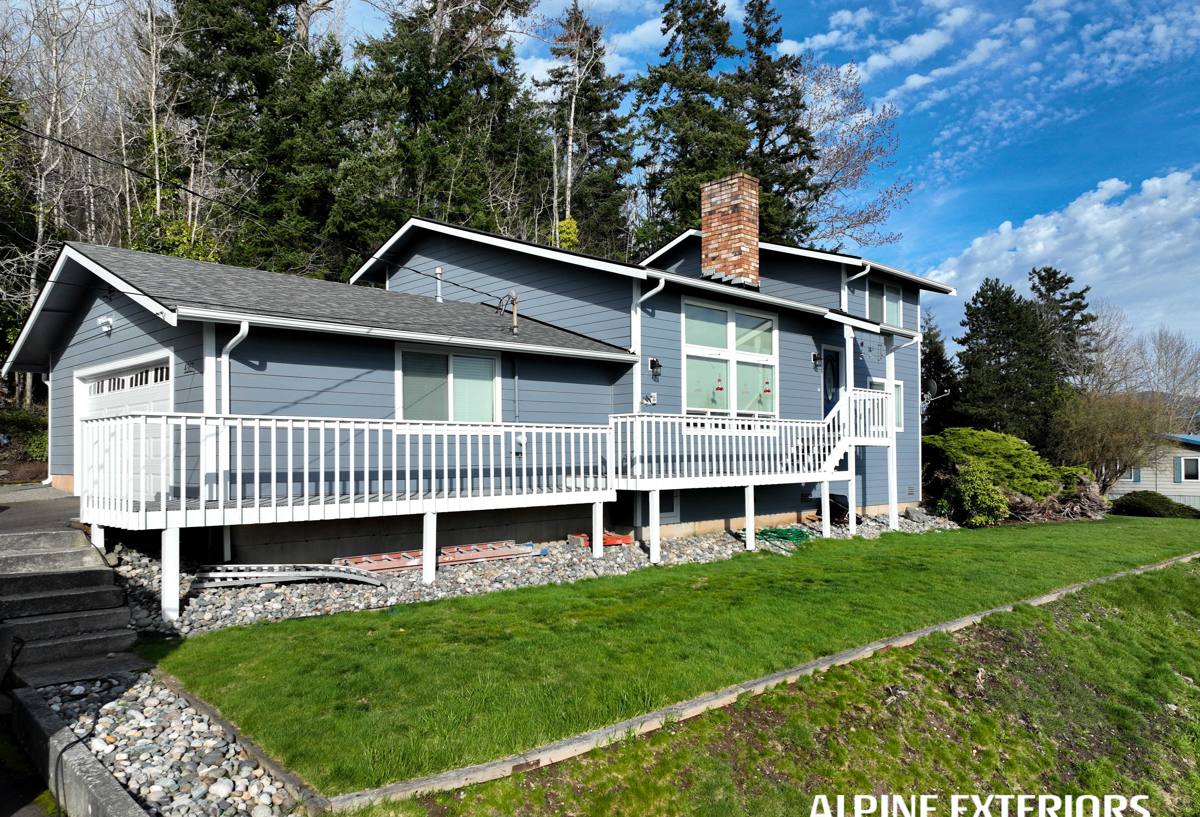
What Sarasota's Climate Actually Does to a Roof
A roof in this part of Florida is under constant, layered stress. It's worth understanding each factor separately, because they each fail a roof in a different way.
Hurricane-Force Wind
Wind doesn't just push down on a roof, it creates uplift at the edges, corners, and ridge that tries to peel roofing material off the deck. Older roofs installed before modern fastening and sealing standards are far more likely to lose shingles or panels in a storm, and once wind gets under one section, it tends to cascade.
Intense, Year-Round UV
Sarasota doesn't get a real winter break from sun exposure. UV breaks down asphalt oils in shingles, dries out sealant strips, and accelerates the aging of underlayment. Roofs here age faster than the same product would in a northern climate, even with no storm damage at all.
Wind-Driven Rain
During tropical storms and hurricanes, rain doesn't fall straight down, it's driven sideways and can work its way under shingles, around vents, and into flashing laps that would stay dry in a normal rainstorm. This is why flashing detail and underlayment matter as much as the roofing material itself.
Salt Air
Being close to the Gulf means airborne salt settles on roofing metal, fasteners, and flashing. Over years, that accelerates corrosion on lower-grade metal components, which is why fastener and flashing material choice isn't a minor detail on a Laurel Park roof.
Signs a Laurel Park Roof Needs Replacing, Not Patching
Not every roof problem means a full replacement. But there's a point where repeated repairs stop making financial sense and start masking a bigger issue. Some signs worth taking seriously:
- Shingles that are curling, cupping, or losing granules across large sections, not just one spot
- Multiple past repairs in different areas of the same roof
- Visible sagging anywhere in the roofline
- Daylight visible through the roof deck from the attic
- A roof older than 18-20 years for asphalt shingle, or showing its age regardless of material
- Recurring leaks after storms even after previous repair attempts
- Missing or lifted shingles after wind events, especially near edges and ridges
If you're seeing two or more of these, it's worth getting a straight answer on whether repair or replacement is the smarter move, rather than continuing to spend on patches.
What a Correct New Roof Installation Actually Involves
A new roof is more than the visible layer on top. The parts underneath do most of the work protecting the house, and they're also the parts a rushed crew is most likely to shortcut.
Tear-Off and Deck Inspection
A proper installation starts with removing the old roofing down to the deck, not layering over it. This lets us check the actual wood underneath for rot, soft spots, or water damage that's been hidden for years. Any damaged decking gets replaced before anything new goes down.
Underlayment
This is the water barrier between the deck and the roofing material, and in a wind-driven rain climate it's arguably as important as the shingles or panels themselves. We install underlayment rated for our wind and moisture conditions, with special attention to laps and fastening.
Flashing
Flashing around chimneys, walls, vents, and valleys is where most leaks actually originate, not in the open field of the roof. Correct flashing work means properly lapped, sealed metal, not just caulk covering a gap.
Fastening for Wind Resistance
Nailing or fastening pattern, especially at eaves, rakes, and ridges, is what determines whether a roof stays put in high wind. This is an area where Florida Building Code requirements are specific, and it's also an area that's easy for a crew to shortcut because it's invisible once the job is done.
Ventilation
A roof that can't breathe traps heat and moisture in the attic, which shortens the life of the roofing material from underneath. Correct intake and exhaust ventilation is part of a proper installation, not an optional add-on.
Roofing Material Options for Laurel Park Homes
There's no single "best" roofing material for every home, it depends on your budget, your roof's structure, and how long you want to go before your next replacement. Here's an honest comparison of the main options we install in this area.
| Material | Typical Lifespan Here | Wind Performance | Considerations |
|---|---|---|---|
| Architectural asphalt shingle | 18-25 years | Good, when properly fastened and rated for high wind | Most affordable upfront, wide style and color range |
| Metal (standing seam or panel) | 40-50+ years | Excellent | Higher upfront cost, strong resale and insurance benefits |
| Tile (concrete or clay) | 40-50+ years | Very good, but individual tiles can crack from impact and require careful fastening | Heavier, may require structural review of existing framing |
Whatever material fits your home and budget, the installation quality underneath it, deck condition, underlayment, flashing, and fastening, matters more to how the roof performs in a storm than the brand name on the shingle wrapper.
How Our Installation Process Works
- On-site inspection and estimate. We look at your existing roof, attic, and structure in person before recommending anything.
- Material and scope discussion. We walk through your options honestly, including trade-offs, so you're deciding with real information.
- Permitting. New roof installations require a permit through Sarasota County or the City of Sarasota depending on your property's jurisdiction. We handle this as part of the job.
- Tear-off and deck repair. Old roofing comes off, the deck gets inspected, and any damaged wood is replaced.
- Underlayment, flashing, and roofing installation. Installed to current Florida Building Code wind and water requirements.
- Final inspection and cleanup. Including the county or city inspection where required, plus a full site cleanup, magnetic sweep for stray nails, and a final walkthrough with you.
Permits, Codes, and Insurance Considerations
Roofing in Sarasota County isn't a handshake job. New roof installations require a permit and inspection, and the work has to meet current Florida Building Code wind provisions for our region, not the code that was in place when your current roof was installed years ago. This matters for two practical reasons beyond just doing things properly:
First, insurance. Many homeowners insurance carriers in Florida now ask for a wind mitigation inspection, and a roof installed to current code with documented fastening and materials can meaningfully affect your premium. Second, resale. A permitted, code-compliant roof with proper documentation is something a home inspector and a future buyer will both want to see.
Skipping the permit to save time or money is a false shortcut. It can create real problems when you go to sell the home or file an insurance claim.
Why It Matters to Hire a Crew That Already Works Laurel Park
Roofing standards don't change street to street, but local familiarity still matters. A crew that regularly works in this part of Sarasota County knows the permitting process for this jurisdiction, has already run into the common deck and structural quirks of homes built in this era, and understands what "properly built for our wind and rain exposure" actually looks like in practice, not just on paper. That translates into fewer surprises mid-project and a roof that's built for the conditions it will actually face.
Questions Worth Asking Before You Hire
- Are you licensed to perform roofing work in Florida, and can you provide proof?
- Do you carry liability insurance and workers' compensation coverage?
- Will you pull the permit, or is that left to me?
- What underlayment and fastening spec will you use, and does it meet current code for this area?
- What's included in your written warranty, on both materials and labor?
- Can you walk me through what happens if you find deck damage once tear-off starts?
A contractor who answers these clearly and without hesitation is one worth trusting with your roof. One who deflects or rushes past them is a warning sign.
Ready to Talk About Your Roof?
If your Laurel Park roof is showing its age, or you just want an honest opinion on whether repair or replacement makes more sense, we're happy to take a look. Reach out for a free, no-pressure estimate using the form below, and we'll give you a straight answer about what your roof actually needs.