 Sarasota Siding
 Longboat Key Is a Different Kind of Siding Job
Longboat Key sits on a narrow barrier island between the Gulf of Mexico and Sarasota Bay, and that position changes what a siding job needs to survive. A home three miles inland in Sarasota County deals with Florida heat and the occasional tropical system. A home on Longboat Key deals with all of that plus direct salt spray, near-constant onshore wind, and the kind of storm exposure that comes from having open water on both sides. Siding that performs fine in a subdivision off Fruitville Road can fail years early out here.
We install siding across Sarasota County, and Longboat Key projects get treated differently from the start — different product expectations, different fastening and flashing detail, different attention to what's happening behind the cladding, not just what's visible on top of it. This page covers what siding installation actually needs to look like on a barrier island home, and why we do it the way we do.
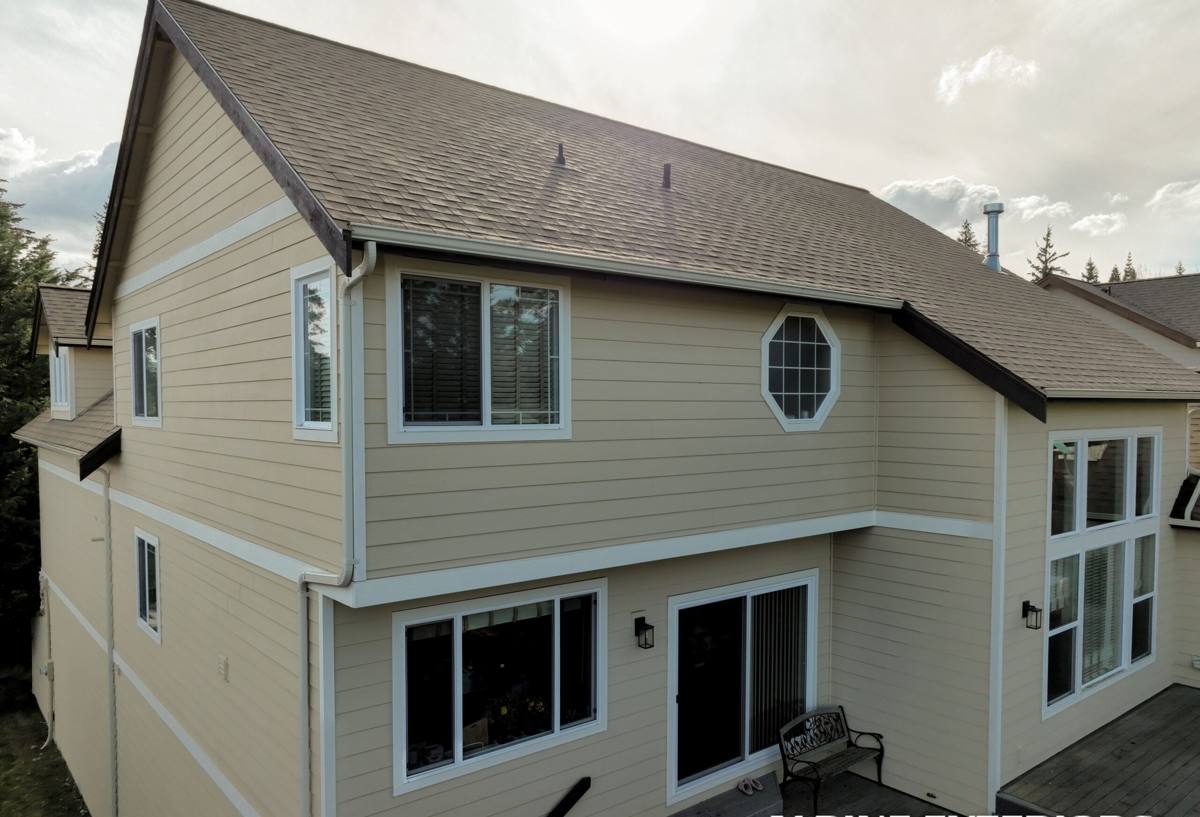
What the Island Environment Does to Exterior Siding
Salt Air and Corrosion
Airborne salt doesn't just sit on the surface of a wall — it works into fastener heads, trim joints, and any seam where two materials meet. Over time it accelerates corrosion in anything that isn't rated for coastal exposure, and it degrades paint and caulking faster than the same products would wear a few miles inland. On Longboat Key, salt exposure is constant, not occasional, and it doesn't let up between storms.
Year-Round UV Load
Florida's latitude means siding here takes a heavier, longer UV dose than siding in most of the country, with no real off-season. Painted wood and many composite products chalk, fade, or start to break down at the surface well before their expected service life is up. A finish that's only rated for moderate sun exposure will visibly age faster on an open, unshaded Gulf-front lot than it would under mature tree cover further inland.
Wind-Driven Rain
Storms here don't just bring rain — they push it sideways, directly into wall assemblies, lap joints, and trim intersections. Siding that isn't installed with the right overlap, flashing, and water-shedding detail will let moisture behind the cladding during exactly these events, and that's when hidden rot and sheathing damage start, often invisible until the siding itself is pulled off.
Hurricane-Force Wind Loads
Barrier island homes take wind loads that inland properties simply don't see. Fastening schedules, panel selection, and edge detailing all have to be matched to that reality — not to a generic install spec written for a calmer climate zone.
Why We Install Only James Hardie Fiber Cement on Longboat Key Homes
We don't install vinyl, LP SmartSide, Cemplank, Allura, or primed wood siding anywhere in our service area, and Longboat Key is exactly the kind of environment that explains why. Fiber cement doesn't rot, doesn't attract termites, and doesn't soften or delaminate when it takes on repeated moisture exposure the way some engineered wood products can. James Hardie is non-combustible, which matters on an island where homes sit close together and where insurance underwriters increasingly ask about exterior material class.
James Hardie also engineers its HardieZone product line by climate, and Sarasota County — including Longboat Key — falls in the HZ5 zone, meaning the boards are formulated for hot, humid, high-moisture coastal conditions rather than a one-size-fits-all national spec. The factory-applied ColorPlus finish is baked on under controlled conditions and backed by its own finish warranty, which holds up better against UV fading and salt exposure than field-applied paint on wood or composite siding. We're not choosing Hardie because it's the only option on the market — we're choosing it because, product for product, it's the one built for what this specific stretch of coastline does to a house.
What a Correct Installation Actually Involves
Fiber cement siding is only as good as the installation behind it. On a barrier island home, a handful of details separate a job that lasts decades from one that fails at the seams within a few years.
- A properly lapped, code-compliant water-resistive barrier behind the siding, with all seams and penetrations sealed before the first board goes up
- Correct fastener type, length, and spacing — coastal-rated fasteners driven to Hardie's nailing schedule, not a generalized pattern
- Proper clearance between the bottom of the siding and roof lines, decks, and grade, so water has somewhere to go instead of wicking into the board
- Butt joints and trim intersections flashed and sealed, not just caulked over and left to fail when the caulk ages out
- Panel and lap siding selection matched to the home's actual wind exposure, not the cheapest option that technically meets code
- Manufacturer-specified gaps at doors, windows, and trim to allow for expansion without cracking the finish
Skipping any one of these doesn't usually show up on day one. It shows up two or three years later as a stained seam, a soft spot near the base of a wall, or paint that's failing in one section long before the rest.
Our Process for Longboat Key Projects
Assessment and Scope
We start by walking the exterior and, where the existing siding allows it, checking what's happening underneath — sheathing condition, existing flashing, and any signs of past water intrusion. On an island home, we're also looking at exposure by elevation: a Gulf-facing wall and a bay-facing or interior-courtyard wall don't take the same abuse, and that can affect detailing decisions.
Removal and Substrate Check
Old siding comes off cleanly, and we inspect the sheathing and framing underneath before anything new goes on. This is the point where hidden moisture damage from a previous installation's shortcuts usually surfaces, and it needs to be addressed before new siding goes over it — covering a problem doesn't solve it.
Weather Barrier and Flashing
We install or verify a continuous water-resistive barrier, with attention to every penetration — hose bibs, light fixtures, vents — and every horizontal surface where water can collect, like window heads and roof-to-wall transitions.
Installation to Spec
Hardie boards go up following the manufacturer's installation instructions for the HZ5 zone and to the wind-load and fastening requirements that apply to coastal Sarasota County construction, not a generic inland spec.
Final Detail and Walkthrough
Trim, caulking at appropriate joints only (not as a substitute for flashing), and a final walkthrough so you understand what was done and why.
Wind Exposure and Local Code Considerations
Coastal Sarasota County properties, including barrier island homes like those on Longboat Key, are built and renovated under wind-borne debris and high-wind design requirements that are stricter than what's typical inland. That affects real installation choices — fastening schedules, panel versus lap siding decisions in high-exposure areas, and how trim and edges are detailed to resist wind-driven water intrusion. Permitting for exterior work on the island also tends to move through the applicable local building department with its own inspection checkpoints. A crew that already works this area knows what inspectors are going to check before they show up, which keeps a project from stalling mid-job over a detail that should have been right the first time.
What Affects the Cost of a Longboat Key Siding Job
Every home is different, but the factors that move price on a barrier island project are fairly consistent. We don't publish blanket pricing because scope varies too much house to house, but this is what a free on-site estimate weighs:
| Cost Factor | Why It Matters Here |
|---|---|
| Existing siding removal & disposal | Full tear-off adds labor and disposal cost versus new construction |
| Substrate repair | Water-damaged sheathing found during tear-off must be repaired before new siding goes on |
| Wall complexity | Multiple stories, dormers, and articulated elevations take longer than a simple rectangular wall |
| Site access & staging | Narrow island lots and limited staging space can affect logistics and timeline |
| Product selection | HardiePlank lap, HardiePanel, and trim/accessory choices carry different material costs |
| HOA or association requirements | Some Longboat Key communities have architectural review that adds a step before work begins |
Signs Your Longboat Key Home May Need New Siding
- Visible warping, buckling, or soft spots you can press into with a hand
- Paint or finish failing unevenly, especially on Gulf- or bay-facing walls
- Cracked, missing, or gapped caulking at joints and trim
- Staining or discoloration near seams, window heads, or the base of walls
- A musty smell or visible mold on interior walls that back up to exterior siding
- Siding that's original to a home built decades ago and has never been fully replaced
Any one of these on its own isn't necessarily an emergency, but on an island property they're worth having looked at sooner rather than later — small moisture problems behind siding move faster in this climate than they would inland.
Why Hiring a Crew That Already Works Longboat Key Matters
Barrier island jobs have logistics that don't apply to a mainland Sarasota project — bridge access, tighter lot sizes, seasonal-resident schedules, and in some cases HOA or condo association coordination before work can start. A crew that's already done work on the island isn't guessing at any of that. We know what a proper coastal installation requires because we've installed it here before, and we stand behind that work the same way whether the home is on the water or three miles from it.
If you're planning new siding, repairing storm or moisture damage, or just want an honest read on what your current siding's condition really is, we'll come take a look and give you a straight answer — no pressure, no inflated scope. Reach out below for a free estimate.