 Sarasota Siding
 Metal Roofing Built for Southside Village's Conditions
Southside Village sits close enough to Sarasota Bay that salt air is part of daily life, under a mature tree canopy that drops debris and holds shade (and moisture) on the roof deck longer than open lots nearby. That combination — coastal exposure plus tree cover — is a different problem than a metal roof on a new build out on a cleared lot, and it changes some of the decisions worth making before a panel ever goes up.
We install metal roofing on homes in this part of Sarasota regularly enough to know which details matter here specifically: fastener and flashing metallurgy that won't react with salt-laden moisture, panel systems that shed water fast even when leaves and pollen collect in valleys, and installation sequencing that respects the older roof decks common on homes in this neighborhood. This page covers what that actually looks like.
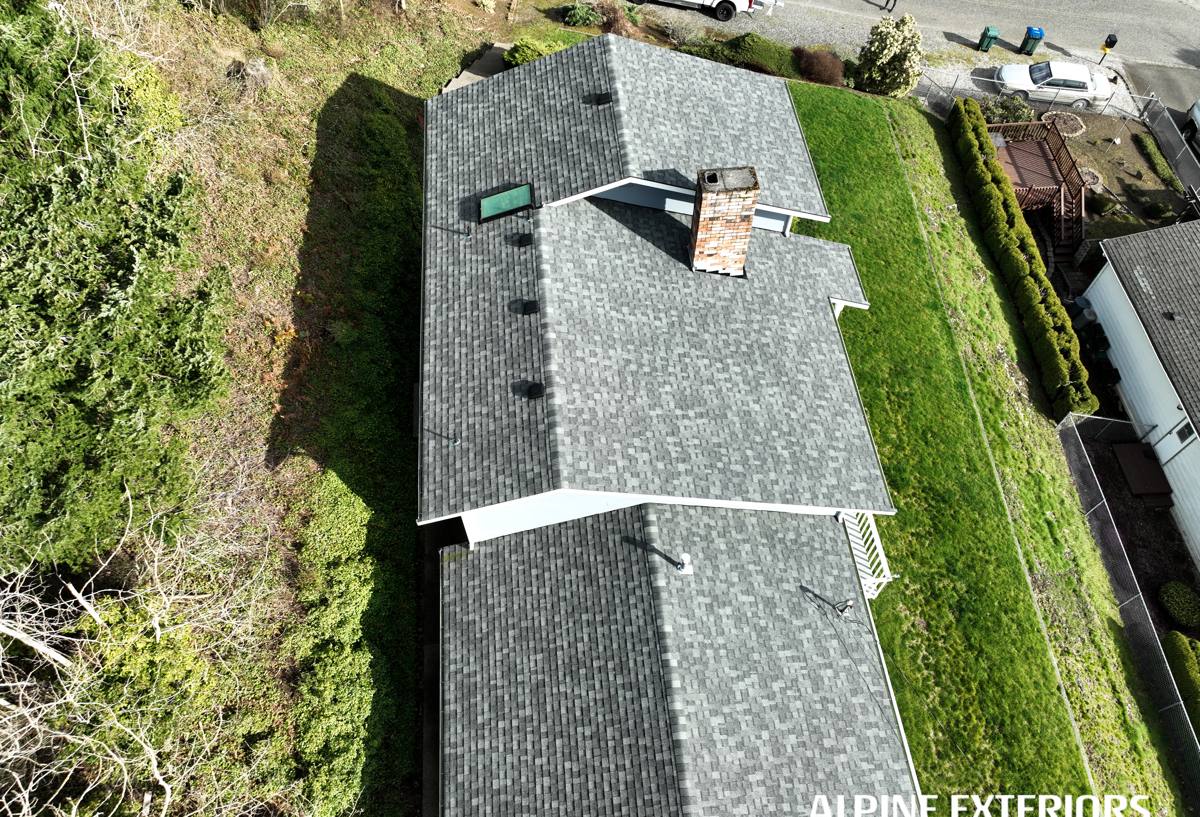
What Sarasota's Climate Asks of a Metal Roof
A roof in Sarasota County earns its keep through a demanding year: hurricane-force wind loads during storm season, intense UV exposure nearly every month, wind-driven rain that tests every seam and penetration, and salt air that never really goes away this close to the water. Metal roofing handles all four better than most materials when it's specified and installed correctly — but "metal roofing" isn't one product, and the wrong choice or a rushed install will show its weaknesses fast under these conditions.
Wind
Panels need a fastening pattern and clip system rated for Florida's wind-load requirements, not a generic spec pulled from a lower wind zone. Uplift resistance lives in the fastening, the clip spacing, and the panel's engagement — not just the metal gauge.
UV and Heat
Sarasota sun degrades cheap paint finishes and sealants years before the metal itself would fail. Finish quality matters as much as panel quality for a roof that's going to sit under this much sun for decades.
Wind-Driven Rain
Rain that's being pushed sideways finds every shortcut in flashing and underlayment. Metal roofing's advantage here is real, but only if the underlayment, valleys, and penetrations are detailed for wind-driven water, not just water running straight down.
Salt Air
Salt accelerates corrosion in fasteners, flashing, and any dissimilar metals in contact with each other. This is the detail most often skipped by crews that don't normally work this close to the coast.
Standing Seam vs. Exposed-Fastener: What We Recommend and Why
Both systems are legitimate metal roofing options, and both can perform well in Sarasota if installed correctly. The right call depends on the home, the budget, and how much long-term maintenance the owner wants to take on.
| Factor | Standing Seam | Exposed-Fastener |
|---|---|---|
| Fasteners | Concealed under the seam — not exposed to weather | Visible screws through the panel face |
| Maintenance | Minimal; no gaskets to inspect | Fastener gaskets need periodic checking and eventual replacement |
| Salt-air durability | Higher — fewer penetration points for corrosion to start | Lower — each screw is a potential weak point over time |
| Upfront cost | Higher material and labor cost | More affordable |
| Best fit | Homes prioritizing longevity and lowest long-term upkeep | Budget-conscious projects, secondary structures, shorter ownership horizon |
For homes in Southside Village specifically — where salt exposure and tree debris are both factors — we lean toward standing seam whenever the budget allows, precisely because it has fewer exposed points where corrosion or debris can start a problem. That said, a correctly installed exposed-fastener system with quality gaskets and stainless fasteners is a legitimate option for the right project, and we'll say so honestly rather than upselling every homeowner into the pricier system.
Working With Southside Village's Housing Stock
This neighborhood has a mix of home ages and styles, including a good number of established homes with older roof decks and a strong sense of neighborhood character. A few things we account for that don't come up the same way on newer construction:
- Deck condition: older sheathing sometimes needs sistering or partial replacement before metal goes down — we check this before quoting a final number, not after tear-off.
- Appearance: metal roofing now comes in profiles and finishes that read as traditional rather than industrial, which matters on streets with an established look homeowners want to preserve.
- Tree canopy: mature trees mean more debris in valleys and around penetrations, so we detail those areas for self-clearing rather than debris-catching.
- Proximity to the water: shorter distance to the bay generally means more salt exposure, which pushes our fastener and flashing choices toward higher corrosion resistance than we'd spec further inland.
What a Correct Metal Roof Installation Actually Involves
Metal roofing rewards a careful install and punishes a rushed one — most metal roof failures we get called to inspect trace back to installation shortcuts, not the material itself.
Deck Inspection and Prep
We check the deck for rot, delamination, and soft spots before anything goes down. Metal roofing over a compromised deck just hides the problem until it's worse and more expensive.
Underlayment
A high-temperature, self-adhering underlayment matters more under metal than under shingles, since metal panels get hot and the underlayment needs to hold up to that heat cycle year-round in Sarasota's sun.
Fastening and Clips
Correct clip spacing and fastener type — stainless or otherwise rated for coastal use — determine both wind performance and long-term corrosion resistance. This is not a place to use whatever fastener happens to be in the truck.
Flashing and Penetrations
Valleys, chimneys, vent stacks, and wall transitions are where most leaks start. Each needs flashing detailed for wind-driven rain, not just standard runoff.
Ventilation
Proper ridge and soffit ventilation keeps the attic space from cooking under a metal roof and helps prevent condensation issues on the underside of the deck.
Our Process for Southside Village Projects
- On-site assessment: We walk the roof, check the deck, and look at tree cover, drainage paths, and salt exposure specific to the property.
- Honest system recommendation: We'll tell you whether standing seam or exposed-fastener makes sense for your budget and goals, and why.
- Detailed written estimate: Scope, materials, fastener and flashing specs, and timeline in writing before any work starts.
- Tear-off and deck repair: Old roofing removed, deck inspected and repaired as needed before underlayment goes down.
- Installation: Underlayment, panels, flashing, and ventilation installed to spec, with attention to the coastal and canopy details above.
- Final walkthrough: We review the finished roof with you and cover basic care so you know what to expect going forward.
Cost Factors Worth Understanding
Metal roofing costs more upfront than asphalt shingles, but the right comparison is lifetime cost and how many storm seasons the roof needs to get through, not just the invoice on installation day.
| Factor | Why It Moves the Price |
|---|---|
| Panel system | Standing seam generally costs more than exposed-fastener, in both material and labor |
| Deck condition | Older decks needing repair or sistering add cost before panels even go down |
| Roof complexity | Valleys, dormers, and multiple penetrations increase flashing labor |
| Fastener and finish grade | Coastal-rated stainless fasteners and premium finishes cost more but hold up longer under salt exposure |
| Tear-off scope | Removing existing roofing (and disposing of it) adds to the project total |
We break these out in every estimate so homeowners can see exactly where the cost is going, not just a single bottom-line number.
Why a Crew That Already Works This Neighborhood Matters
A contractor unfamiliar with Southside Village's housing stock, tree cover, and proximity to salt air is more likely to spec generic materials and skip details that matter here specifically. A crew that already works this neighborhood knows what the deck conditions tend to look like on homes of this era, understands how close you are to the water and what that means for fastener choice, and has already worked around mature tree canopy on nearby jobs. That familiarity shows up in fewer surprises mid-project and a roof detailed for the conditions it actually has to survive.
Questions to Ask Before You Hire
- Is the fastening and clip spec rated for Florida wind-load requirements, and can they show you the spec?
- Are fasteners and flashing rated for coastal salt exposure, or standard-grade?
- Will they inspect and repair the deck before installing, and is that priced separately or folded into a vague lump sum?
- What underlayment are they using, and is it rated for high-heat exposure under metal panels?
- Do they have current licensing and insurance, and will they put the full scope of work in writing?
If you're weighing a metal roof for a home in Southside Village, we're glad to take a look and give you a straight answer on what your roof actually needs — no pressure, no inflated scope. Reach out for a free estimate using the form below.