 Sarasota Siding
 Board & Batten Siding for Nokomis Homes
Nokomis sits on the Gulf side of Sarasota County, close enough to the water that every exterior material on a home here is doing double duty: it has to look right on a coastal Florida house, and it has to survive coastal Florida weather. Board and batten is one of the most popular siding styles in this part of the county because of how well the vertical lines suit both older Florida cottages and newer builds near the water. But the style only holds up if the material underneath it and the installation behind it are built for this climate, not just for the look.
We install board and batten siding for homeowners in Nokomis using James Hardie fiber cement exclusively. This page covers what this specific siding style needs to survive here, what a correct installation actually involves, and why we don't offer it in any other material.
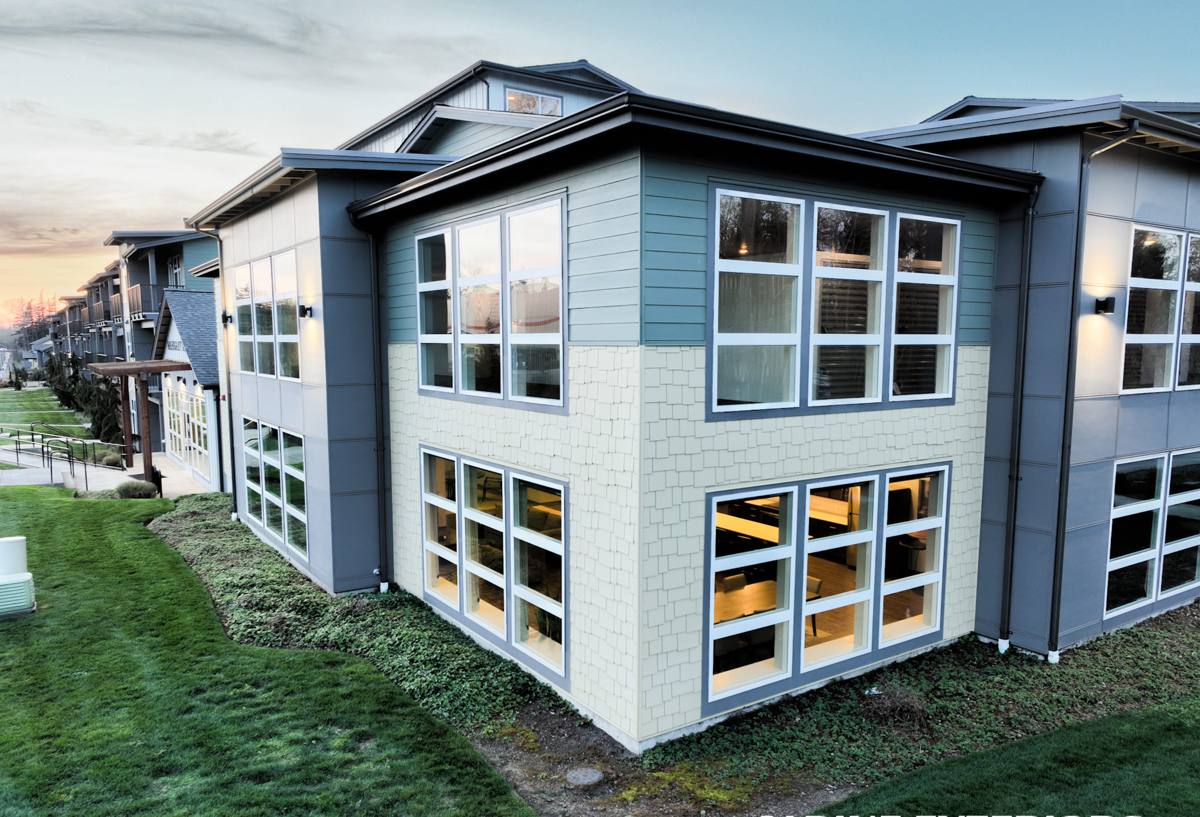
What Nokomis's Climate Does to Board & Batten Siding
Board and batten relies on raised vertical battens over flat panels, which means more seams, more fastener points, and more edges exposed to weather than a standard lap siding job. In a mild, dry climate that's a minor detail. In Nokomis, it's the whole ballgame.
Wind
Sarasota County sits inside hurricane wind zones that call for real fastening schedules, not builder-grade staples. Board and batten's vertical battens can act like small sails if they're under-fastened — wind gets under a loose batten edge and works it loose over successive storms, long before a named hurricane ever makes landfall.
UV
Year-round, close-to-direct sun bleaches and breaks down paint film faster here than almost anywhere else in the country. Board and batten has more vertical surface exposed to the harshest afternoon sun angles, so a siding product with a weak factory finish shows fading and chalking on the battens first.
Wind-driven rain
Nokomis storms rarely come straight down. Wind-driven rain gets pushed sideways into every seam and batten joint, and it will find any gap in the water-resistive barrier behind the siding. Board and batten has more vertical joints than lap siding, which means more places for that path to fail if it wasn't detailed correctly.
Salt air
Even a few miles inland from the Gulf, salt-laden air corrodes exposed metal fasteners and accelerates the breakdown of lower-grade panel materials. Fastener choice and coating matter more here than in a typical inland Florida install.
Why the Battens Are the Weak Point (If Done Wrong)
Almost every board and batten failure we get called out for in this area traces back to the same handful of mistakes, not to the style itself:
- Battens face-nailed directly through the flat panel into structural elements without accounting for expansion, causing cracking at fastener points
- No consistent gap or sealant strategy at horizontal joints, letting wind-driven rain track behind the panel
- Housewrap or flashing tape that stops short at penetrations, window returns, or the bottom termination
- Battens installed tight to the ground or hardscape with no clearance, wicking moisture up from grade
- Standard fasteners used in a salt-air environment instead of corrosion-resistant ones
None of these are material defects — they're installation shortcuts. That's the part of the job that determines whether board and batten lasts fifteen years or fifty in a place like Nokomis.
What a Correct Job Looks Like
The substrate first
Before any board and batten goes up, we check the sheathing and water-resistive barrier underneath. In coastal Sarasota County homes, especially older ones, we routinely find moisture damage hiding behind the old siding that has nothing to do with the new material — it has to be addressed before we close the wall back up, or the new siding just traps the same problem.
The right product line
We use James Hardie's HZ10 product line, engineered specifically for high-humidity, storm-prone climates like Florida's Gulf Coast, rather than the HZ5 line built for drier, colder regions. That distinction matters more for board and batten than for most siding styles, given how many extra seams and joints are involved.
Fastening and flashing to spec
Every batten and panel gets fastened according to Hardie's published wind-zone requirements for this part of Florida, using corrosion-resistant fasteners. Flashing and integrated water-resistive barrier detailing continue behind every window, door, and penetration — not just across the flat field of the wall.
Clearance and joint treatment
We hold proper clearance at grade, roofline, and any hardscape, and we treat horizontal joints and butt seams with the correct gap and sealant approach so wind-driven rain has nowhere to collect.
James Hardie vs. Other Board & Batten Materials
Board and batten is available in vinyl, engineered wood, and other fiber cement brands, and each has genuine strengths. We install only James Hardie, and here's the honest reasoning:
| Material | What it does well | Why we don't install it here |
|---|---|---|
| Vinyl board & batten | Low upfront cost, no painting | Softens and can deform in intense, sustained coastal sun; panels can loosen or pop in high wind if fastening tolerances aren't respected |
| Engineered wood (LP-type) | Warmer look, easier to cut on site | Wood-based core is more sensitive to sustained humidity and wind-driven rain intrusion at cut edges and seams than fiber cement |
| Primed cedar | Authentic natural material | Highest ongoing maintenance burden — repainting and sealing cycles are hard to keep up with under this much year-round UV and moisture |
| James Hardie fiber cement | Non-combustible, factory-cured ColorPlus finish, engineered for humid/storm climates | This is what we install — no significant trade-off we've found acceptable for this region |
James Hardie's board and batten panels are fiber cement — not vinyl and not wood-based — so they don't soften in heat, don't rely on paint alone for protection, and are non-combustible. The ColorPlus factory finish is baked on and warrantied against fading, which matters directly in an area where UV bleaches paint faster than almost anywhere in the country. That combination is why it's the only board and batten product we put on Nokomis homes.
Our Process for a Nokomis Board & Batten Project
- On-site assessment — we walk the exterior, check current siding condition, and look for existing moisture or substrate issues before quoting anything
- Tear-off and inspection — old siding comes off, sheathing gets inspected, and any rot or water damage gets addressed and documented before we move forward
- Water-resistive barrier and flashing — a continuous barrier goes on with correctly lapped, integrated flashing at every window, door, and penetration
- Panel and batten installation — Hardie HZ10 panels and battens installed to the wind-zone fastening schedule for this part of Sarasota County
- Joint, trim, and clearance detailing — seams, corners, and ground/roof clearances finished to spec, not left to "look close enough"
- Final walkthrough — we go over the finished job with you before calling it done
Why a Crew That Already Works Nokomis Matters
Sarasota County's permitting and wind-load requirements aren't identical to every county on Florida's coast, and a crew that works this area regularly already knows what inspectors here expect on a re-side. That familiarity shortens the permitting back-and-forth and reduces the odds of a failed inspection over a detail an out-of-area crew might miss. It also means we've already seen how board and batten performs on homes exposed to the same wind and salt conditions your home faces, not a generic national average.
Maintenance and What to Expect Long-Term
Correctly installed James Hardie board and batten is genuinely low-maintenance compared to the alternatives, but "low-maintenance" doesn't mean "no attention." A simple annual walk-around catches small problems while they're still small:
- Rinse salt residue and grime off the siding periodically, especially on Gulf-facing walls
- Check caulking at joints, trim, and penetrations yearly and touch up as needed
- Look for any hairline cracking at fastener points after major storms
- Keep landscaping and irrigation from spraying directly on the lower siding course
- Confirm gutters are directing water away from the wall line, not down the face of the siding
James Hardie backs its products with a strong transferable limited warranty when installed to spec, which is one more reason correct installation isn't optional — it's what keeps that warranty intact.
What Affects Cost on a Board & Batten Job
| Factor | Why it matters |
|---|---|
| Substrate condition | Rot or moisture damage found during tear-off adds repair scope before new siding goes on |
| Home size and wall complexity | More corners, windows, and roof lines mean more flashing, trim, and cut detail |
| Batten spacing and pattern | Tighter batten spacing uses more material and labor than wider spacing |
| Color and trim selection | Factory ColorPlus finishes and trim packages vary in price by line |
| Access and site conditions | Waterfront lots, tight setbacks, or limited equipment access can add labor time |
A Straightforward Checklist Before You Hire
- Ask what specific Hardie product line they plan to use, and why for this climate
- Confirm they'll inspect and address substrate condition before installing new siding
- Ask about their fastening schedule and whether it's matched to local wind-zone requirements
- Get clarity on flashing and water-resistive barrier detailing at windows and doors
- Make sure warranty terms are explained in writing, not just mentioned verbally
If your Nokomis home needs new siding, or your current board and batten is showing cracking, loose sections, or fading, we're happy to take a look and give you a straightforward, no-pressure estimate using the form below.