 Sarasota Siding
 Storm Damage Roof Repair Built for Nokomis Homes
Nokomis sits close enough to the Gulf that its homes take on a specific mix of punishment: tropical systems that bring sustained hurricane-force wind and hours of wind-driven rain, plus the everyday grind of intense Florida UV and salt-laden air moving in off the coast. A roof here doesn't just need to survive one bad storm — it needs to hold up through a whole season of them, year after year, without quietly losing its ability to keep water out. Storm damage roof repair in this area isn't a one-size-fits-all job, and treating it like generic roof patching is how homeowners end up with the same leak twice.
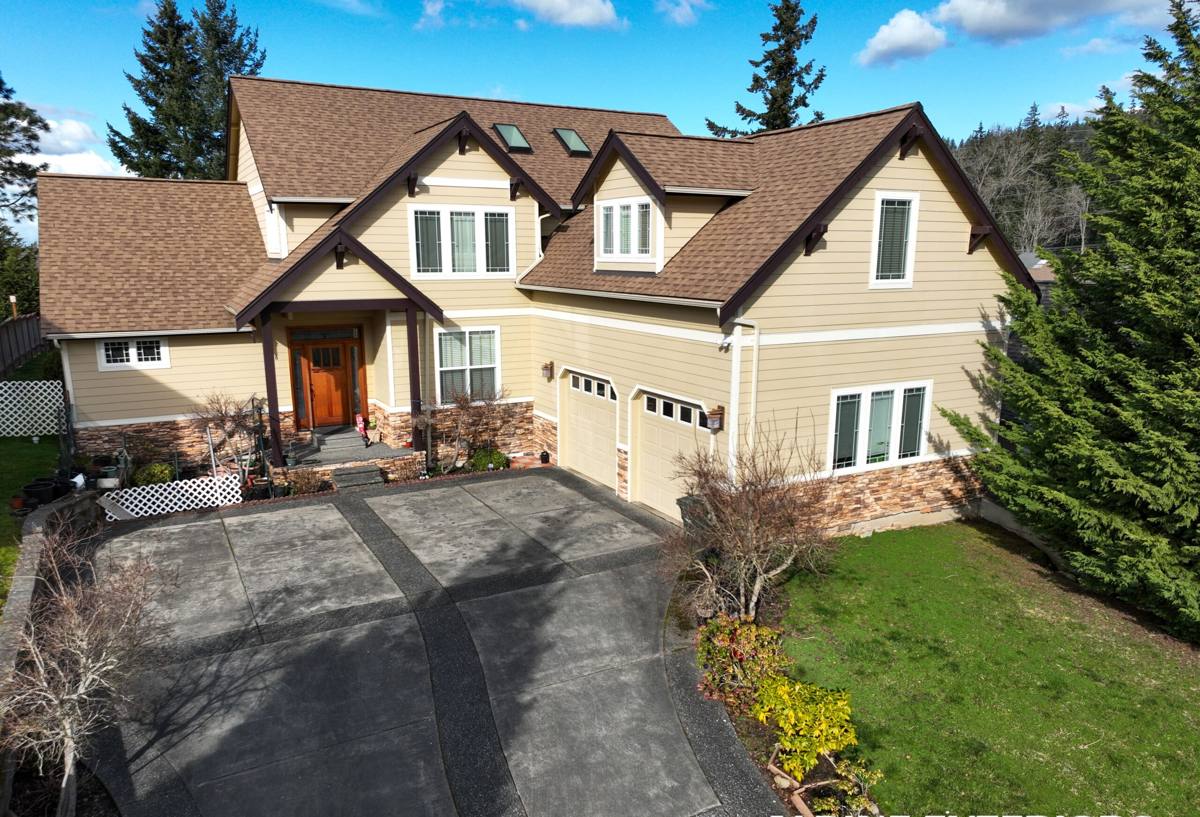
Why Sarasota County Roofs Fail the Way They Do
Most storm-related roof failures we see in this part of Sarasota County aren't dramatic. It's rarely a whole section of roof peeling off in one piece. More often it's a handful of lifted or cracked shingles, a flashing seam that worked loose under wind pressure, or a section of underlayment that got soaked when shingles were displaced just long enough for rain to get underneath. Combine that with a roof that's already been baking under Florida sun for years — UV exposure dries out asphalt shingles and softens sealants over time — and you get a roof surface that's more brittle and more vulnerable exactly when a storm tests it hardest.
The Wind Factor
Hurricane-force gusts don't just push against a roof — they create uplift, pulling at shingle edges, ridge caps, and any flashing that isn't properly secured. Once wind gets a starting point, whether that's a curled shingle tab or a loose fastener, the damage can spread fast across a roof plane.
The Salt Air Factor
Being close to the coast means metal components on a roof — flashing, fasteners, vents, and drip edge — are exposed to salt air that accelerates corrosion. Corroded metal fails quietly, long before it looks obviously bad, which is why storm repair work should always include a real inspection of these components, not just a shingle count.
Signs Your Nokomis Roof May Have Storm Damage
Some storm damage is obvious from the ground. Other damage hides until it's already caused an interior problem. Homeowners in this area should know both categories.
What You Can See
Missing, cracked, or curling shingles; granules collecting in gutters or at downspout outlets; bent or lifted flashing around chimneys, vents, and roof-to-wall transitions; and visible dents or bruising on shingles after hail-producing storms.
What Hides Until Later
Soft spots in the roof deck, water staining on ceilings or in the attic, a musty smell that wasn't there before, and slow leaks that only show up during the next heavy rain. This is the damage that costs the most if it's missed, because moisture trapped under a roof surface keeps working on the decking and structure long after the storm has passed.
What a Correct Storm Damage Repair Actually Involves
A repair that only addresses what's visible from the ground is not a complete repair. Correct storm damage repair starts with figuring out how far the damage actually extends, then matching the fix to that reality — not to the smallest possible job.
Assessment First
This means getting on the roof (not just looking at it from the driveway), checking the attic side of the deck for staining or soft wood, and testing flashing and seals in the areas most likely to have taken wind or water intrusion — valleys, penetrations, and roof edges.
Repair vs. Replacement
Most storm damage can be properly repaired without a full roof replacement, provided the underlying deck and structure are sound and the damage is localized. A full replacement becomes the honest recommendation when damage is widespread, when the roof was already near the end of its service life, or when repeated storm hits have compromised the deck itself. We'll tell you plainly which situation you're in — a patch job on a roof that needs replacement just delays the real cost and risk.
Our Storm Damage Repair Process
- Inspection. Full roof and attic assessment, documenting the extent and cause of the damage.
- Written scope and estimate. A clear explanation of what's damaged, what needs to be done, and why — before any work starts.
- Temporary protection if needed. If there's active water intrusion, we address that first so the interior of the home isn't taking on further damage while repairs are scheduled.
- Repair work. Removal of damaged materials, deck inspection and repair where needed, new underlayment in affected areas, correctly installed flashing, and shingles or roofing material matched as closely as possible to what's already on the roof.
- Final check. A walk-through so you understand exactly what was repaired and what to watch for going forward.
Repair Cost Factors
Storm damage repair costs vary a lot depending on the specifics of the job, which is why we avoid quoting a number before we've actually seen the roof. The table below covers the main factors that move the price up or down.
| Factor | Why It Matters |
|---|---|
| Extent of damage | A handful of shingles and a flashing seam costs far less to fix than multiple damaged roof planes or deck repair. |
| Roofing material | Matching existing shingles, tile, or metal affects material cost and availability, especially on older roofs. |
| Deck condition | If water reached the wood decking, that decking may need to be replaced before new roofing goes on — this is discovered during tear-off, not always visible beforehand. |
| Roof pitch and access | Steeper roofs and homes with limited access take more time and labor to work safely. |
| Insurance coverage | A covered claim changes what you're paying out of pocket, but the scope of the repair itself shouldn't change based on what's covered. |
Storm Damage and Your Insurance Claim
Most Nokomis homeowners dealing with storm damage are working with an insurance claim at the same time as the repair itself. Good documentation matters here as much as good repair work.
Documentation
Photos of the damage as close to the event as safely possible, a written scope of work that clearly separates storm-caused damage from any pre-existing wear, and a record of when the damage was first noticed all help support a claim.
Working With Adjusters
We're glad to walk an adjuster through what we found on the roof and explain our scope in plain terms. Our job is to give you an accurate, honest picture of the damage — not to inflate a claim or minimize it to make our own job easier.
Why It Matters to Hire a Crew That Already Works in Nokomis
After a storm moves through Sarasota County, roofing work gets busy fast, and homeowners often get calls from crews that showed up from out of the area chasing storm work. There are real downsides to that. A contractor who already works in Nokomis and the surrounding Sarasota County area understands the local permitting process, knows what wind-resistance and code requirements apply to roofing work in this jurisdiction, and — importantly — is still going to be here next year if a repair needs a follow-up visit. Local crews also tend to have a better working knowledge of how coastal exposure specifically affects roofs in this area, versus general roofing knowledge that doesn't account for salt air and Gulf-driven storm patterns.
After the Storm: A Homeowner Checklist
- Do a visual check from the ground for missing or displaced shingles, debris, and obvious damage — don't get on the roof yourself.
- Check the attic and ceilings for water stains, damp spots, or a musty smell.
- Photograph any visible exterior damage as soon as it's safe to do so.
- Note the date and general conditions of the storm for your records.
- Address any active leaks with temporary protection to limit interior damage.
- Get a professional inspection before assuming the damage is only cosmetic.
- Keep all documentation and estimates together for your insurance claim.
Protecting Your Roof Between Storms
Storm damage repair shouldn't be the only time your roof gets attention. In a climate like this, regular checks of flashing, sealant, and shingle condition catch small problems — a lifted tab, a worn seal around a vent — before the next storm turns them into a leak. A roof that's properly maintained between storms simply has less to lose when the wind picks up.
If you're dealing with storm damage on your Nokomis home, or you'd just like a professional set of eyes on your roof before the next system rolls through, we're happy to take a look. Fill out the form below for a free, no-pressure estimate — we'll give you a straight answer about what your roof actually needs.