 Sarasota Siding
 Why Osprey Homes Need Siding Built for This Exact Climate
Osprey sits in one of the more demanding exterior environments in the country. Homes here deal with hurricane-force wind events, some of the most intense year-round UV exposure in the continental United States, wind-driven rain that gets pushed sideways into wall assemblies during storms, and a steady dose of salt air off the Gulf. None of these stressors show up once and go away — they're constant, and they compound. A siding material that handles UV fine but struggles with moisture, or handles wind but chalks and fades in a few years, is only solving part of the problem.
That's the lens we use on every Osprey project: not "what looks good on day one," but "what still looks and performs right in year fifteen, after a dozen tropical systems and thousands of hours of direct Florida sun." For most homes in Sarasota County, that answer is James Hardie fiber cement, installed correctly, with the right accessories and the right attention to the details that actually fail first.
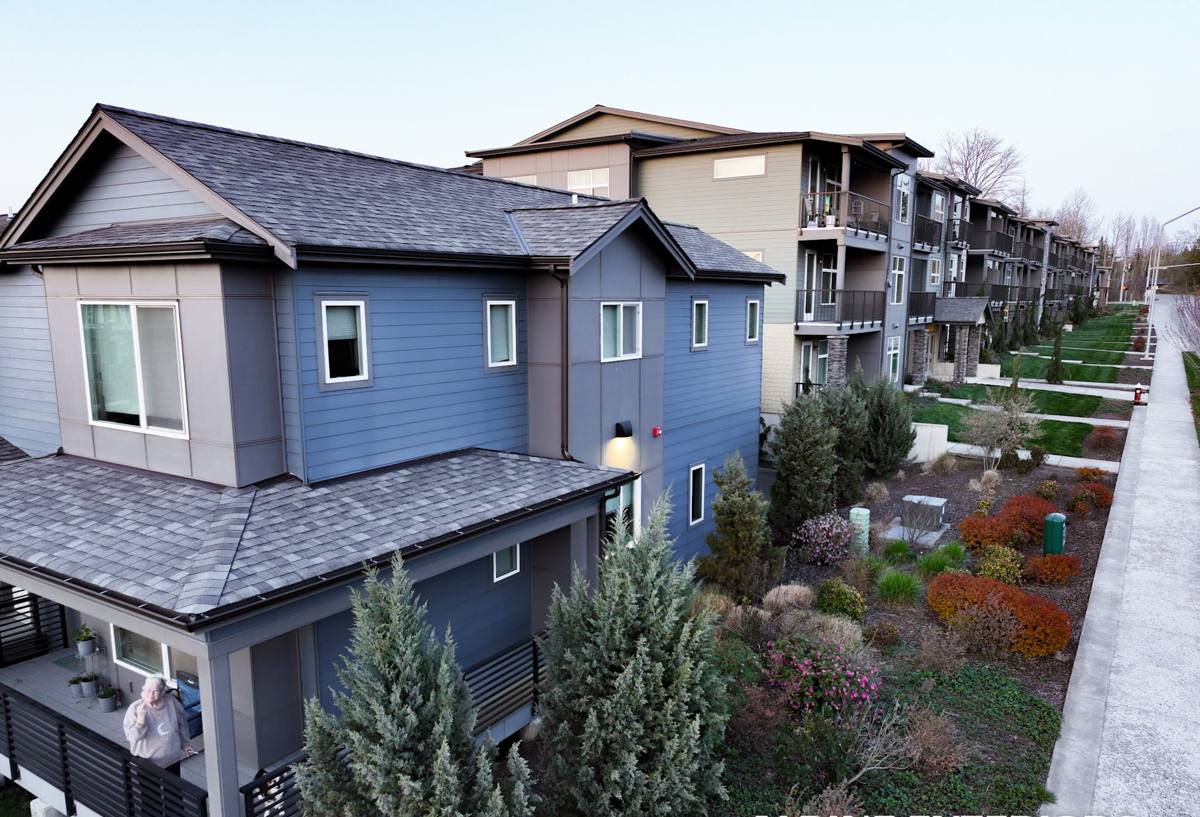
What Actually Breaks Down First on Coastal Siding
Before talking about the fix, it helps to know what's really failing on siding around Osprey. It's rarely the field of the siding itself. It's almost always one of these:
- Butt joints and seams where two pieces meet, especially if they weren't caulked or flashed properly
- Bottom edges near grade where splash-back moisture and standing water get repeated exposure
- Fastener heads that were driven at the wrong depth or into the wrong substrate, creating a path for water
- Trim-to-siding transitions around windows, doors, and corners, where wind-driven rain gets forced sideways
- Factory finish breakdown on lower-grade paint systems that weren't engineered for this level of UV
Notice that most of these are installation issues, not material issues. That's a big part of why we're selective about both the product and the crew putting it on the wall.
Why We Standardized on James Hardie
We install James Hardie fiber cement exclusively — no vinyl, no LP SmartSide, no Cemplank, no Allura, no primed spruce or cedar. That's a deliberate professional standard, not a sales preference. Fiber cement as a category resists the two things that do the most damage to Sarasota County exteriors: sustained UV and moisture cycling. Within that category, Hardie's HZ5 product line is engineered specifically for high-humidity, hurricane-exposed climates like ours, and the ColorPlus factory finish is baked on and warranted against fading in a way field-painted or lower-tier finishes typically aren't.
We're not going to tell you every other product on the market is junk — plenty of them have honest use cases in other climates. But we've made a professional call that for homes taking this much sun, salt, and wind, the trade-offs of the alternatives (moisture sensitivity, shorter finish life, thinner warranty coverage, more frequent maintenance) aren't worth it. Hardie is what we stand behind and what we put our name on.
James Hardie's HZ5 Line, Specifically
Hardie engineers its siding by climate zone. HZ5 is the formulation built for the Gulf Coast and Southeast — it's engineered to resist moisture-related warping and cracking in humid, storm-prone conditions, which is exactly the profile Osprey sits in. Using a climate-matched product isn't a marketing detail; it's the difference between siding that's built for this environment and siding that's merely tolerating it.
What a Correct Installation Actually Involves
Fiber cement performs the way it's rated to only when it's installed to manufacturer spec. Cutting corners on installation is how a 30-plus-year product ends up needing attention in year eight. On every Osprey job, correct installation means:
- Proper water-resistive barrier and flashing behind the siding, not just at obvious penetrations but at every horizontal transition
- Correct fastener type, spacing, and penetration depth into structural framing — not just sheathing
- Manufacturer-specified clearances at grade, roof lines, and decks so moisture has somewhere to go
- Properly sealed and back-primed cut edges, since exposed raw fiber cement edges are a common point of moisture entry
- Caulking at panel joints and trim transitions using a product rated for exterior movement and UV exposure
- Fastening patterns that account for local wind load requirements, not a generic nailing schedule
None of this is visible once the job is finished, which is exactly why it matters who's doing it. Two homes can look identical with the siding on and perform completely differently five years later based on what happened behind the surface.
Our Process for an Osprey Fiber Cement Project
1. On-Site Assessment
We walk the exterior, check the current siding and substrate condition, look for existing moisture damage, and note anything unusual about the home's exposure — waterfront wind exposure, tree cover, low grade points, and so on.
2. Product and Line Selection
We talk through HardiePlank lap siding versus HardiePanel vertical siding versus shingle-style options, and the ColorPlus color and texture choices that fit the home and neighborhood.
3. Substrate Prep
Old siding comes off, the sheathing gets inspected and repaired where needed, and the water-resistive barrier and flashing get installed or replaced before a single piece of new siding goes up. Skipping this step is one of the most common shortcuts in the industry — we don't take it.
4. Installation to Spec
Siding, trim, and accessories go on following James Hardie's published installation guidelines for our climate zone, with attention to the failure points covered above.
5. Final Walkthrough and Warranty Registration
We walk the finished job with you, and we register the installation so the manufacturer's transferable warranty is properly in place — useful if you sell the home down the road.
Color and Finish Choices That Hold Up to Osprey Sun
ColorPlus finishes are factory-applied and cured under controlled conditions, which gives them noticeably better UV and fade resistance than field-applied paint on other siding types. That matters more here than almost anywhere else in the country — direct, near-daily sun exposure for most of the year will find the weak point in any lower-grade finish. We'll walk through the current ColorPlus palette with you and talk honestly about which tones tend to hold their look longest under heavy sun versus which ones may show fading or heat absorption differences over time.
Cost Factors for a Fiber Cement Project
Every home is different, so we don't quote off square footage alone. These are the variables that actually move the number:
| Factor | Why It Matters |
|---|---|
| Existing siding removal and disposal | Tear-off complexity varies with material and how it was originally attached |
| Sheathing and moisture barrier condition | Hidden water damage found during prep adds repair scope |
| HardiePlank vs. HardiePanel vs. shingle-style | Material profile and labor time differ by product line |
| Trim, corner, and soffit scope | Full trim replacement changes both material and labor cost |
| Home height and roofline complexity | Multi-story sections and steep rooflines affect access and labor |
| Color and finish selection | ColorPlus factory finishes vs. primed-for-field-paint options price differently |
We'll break these down in writing during your estimate so you know exactly what you're paying for and why, rather than a single lump number.
Maintenance: What Osprey Homeowners Should Actually Expect
One of the real advantages of correctly installed Hardie fiber cement is how little upkeep it needs compared to wood or lower-grade products — but "low maintenance" isn't "no maintenance," especially this close to salt air. A simple annual routine goes a long way:
- Rinse the exterior periodically to clear salt residue and airborne debris, especially on sides facing prevailing wind
- Inspect caulking at joints and trim once a year and touch up anything that's cracked or pulled away
- Check for any gutter or downspout issues sending extra water down the wall in one spot
- Keep landscaping and irrigation heads from spraying directly on the siding
- After any major storm, do a visual walk of the exterior for impact damage or loosened panels
Why It Matters That We Already Work in Osprey
Wind load requirements, flashing details, and permitting expectations in Sarasota County aren't identical to what a crew from another region is used to. A contractor who regularly works this area already understands the wind exposure categories that apply to Gulf Coast communities like Osprey, knows what inspectors here are looking for, and has already made — and learned from — the installation decisions that matter in this climate. That's a different starting point than a crew treating every job as a first attempt at coastal Florida conditions.
If you're weighing a siding replacement or repair on an Osprey home, we're glad to come take a look, walk you through what we're seeing, and put together a straightforward, no-pressure estimate — no obligation either way.